

DeepMind AI Saves Endangered Species: Perch 2.0 and Bird Conservation
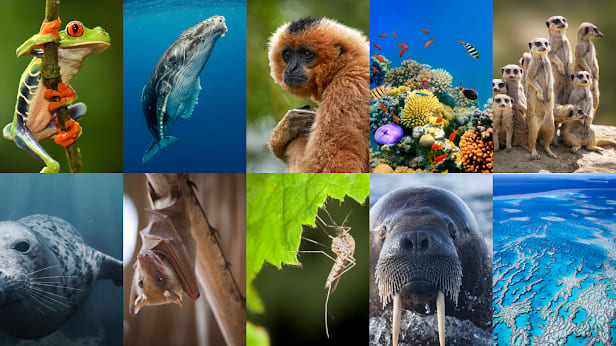
Processing recordings used to take weeks or even months. Today, scientists can quickly analyze hours of wildlife recordings to detect the presence of endangered species. This is exactly what the new version of DeepMind's Perch 2.0 model enables, helping conservationists process vast amounts of audio data from microphones and underwater hydrophones. Released on August 7, 2025, the model is designed to identify the vocalizations of birds, frogs, insects, whales, fish, and other animals, providing key insights into ecosystem health. According to the DeepMind blog, Perch 2.0 was trained on nearly twice as much data as the previous version, including public sources such as Xeno-Canto and iNaturalist, covering mammals, amphibians, and anthropogenic noise. This enables better adaptation to new environments, especially underwater ones such as coral reefs, and helps disentangle complex acoustic scenes across thousands or millions of hours of recordings.
What's New in Perch 2.0
Perch 2.0 brings significant improvements over the original 2023 version. The model provides better predictions of bird species directly from recordings and can estimate not only the presence of animals, but also the number of chicks or individual animals in a given area. It was trained on a broader range of animals, including mammals and amphibians, enabling cross-ecosystem monitoring from forests to coral reefs. The model uses supervised learning with a prototype classifier and self-distillation, improving accuracy in noisy environments with overlapping calls. It is openly available on Kaggle, where it has already been downloaded by more than 250,000 users, and integrates with tools such as BirdNet Analyzer from the Cornell Lab of Ornithology. This openness lowers barriers for NGOs and researchers, who can deploy the model on large datasets quickly and efficiently.
Perch Success Stories: Examples from the Field
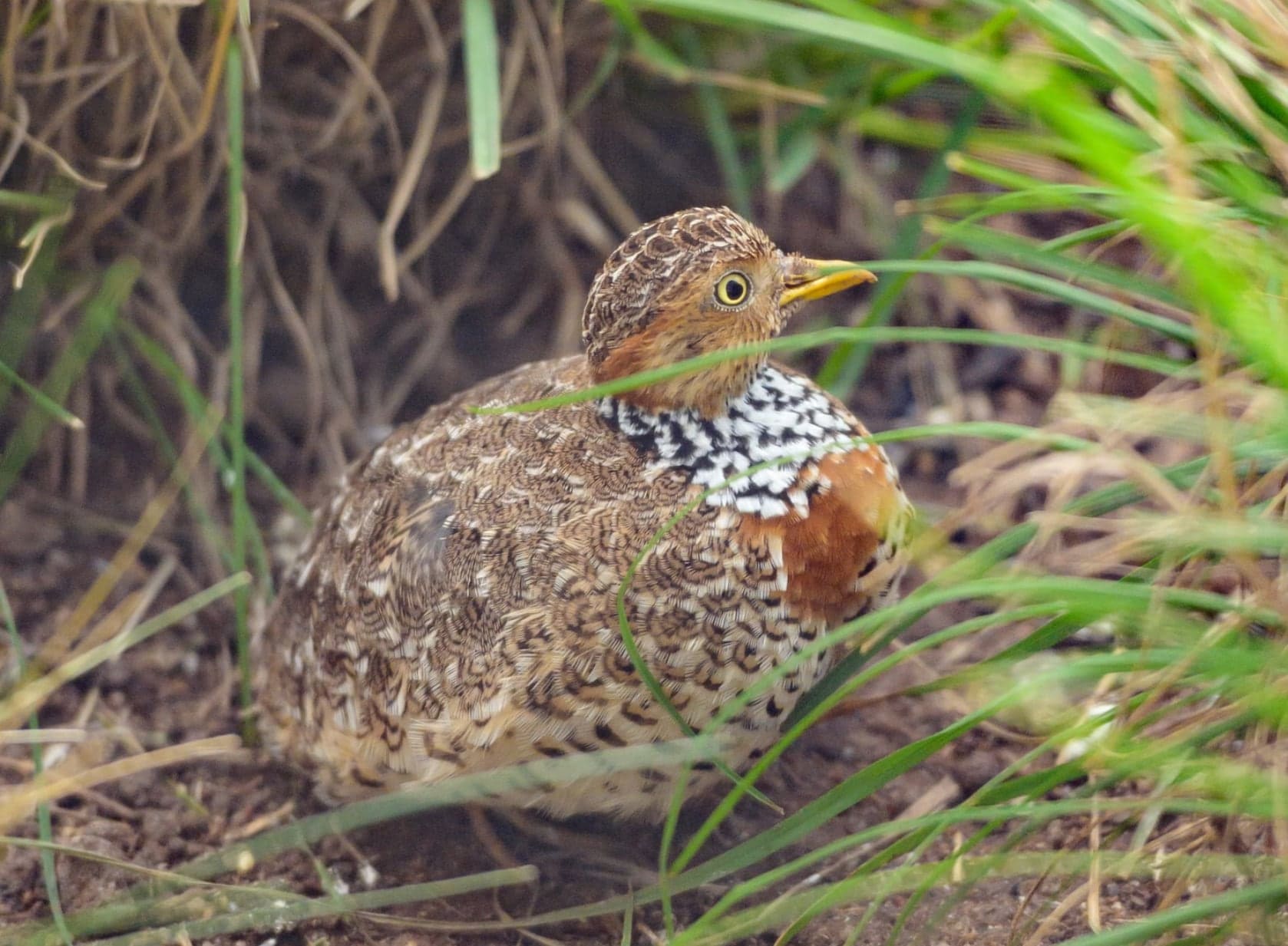
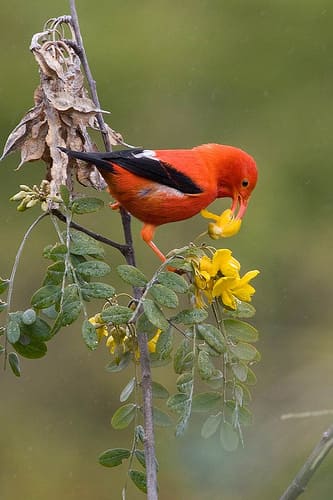
Perch has already demonstrated its value in real-world projects. In Australia, for example, it helped BirdLife Australia and the Australian Acoustic Observatory create classifiers for unique Australian species, leading to the discovery of a new population of the endangered Plains Wanderer. According to Paul Roe of James Cook University, this represents an "incredible discovery" that will affect the future of many endangered birds. Another success came from the LOHE Bioacoustics Lab at the University of Hawaiʻi, where the model helped monitor Hawaiian honeycreepers, endemic birds threatened by avian malaria spread by non-native mosquitoes. Perch accelerated sound detection nearly 50-fold compared with traditional methods, making it possible to cover larger areas and protect more species. Recent studies have shown that the model can also be used to identify individual birds and estimate their abundance, reducing the need to capture and release animals to monitor populations.
Tools for Rapid Analysis and the Future
In addition to species predictions, Perch provides open tools for quickly creating new classifiers based on a single sound example. Using vector search and active learning, scientists can label relevant results and create high-quality classifiers in less than an hour, as demonstrated in the paper "The Search for Squawk: Agile Modeling in Bioacoustics". This approach, known as agile modeling, works across birds and coral reefs and makes it possible to monitor species with limited training data or specific sounds, such as chick calls. Perch 2.0 processes millions of hours of recordings more quickly, enabling near-real-time analysis or retrospective studies that were previously impossible. This maximizes the impact of conservation efforts and frees up resources for practical fieldwork.
The Path to Richer Biodiversity
Perch 2.0 demonstrates how artificial intelligence can contribute to protecting the planet. From Hawaiian forests to ocean reefs, the model helps analyze nature's "playlist" and provide data for rapid interventions. The research was developed by the Perch team, including Bart van Merriënboer, Jenny Hamer, Vincent Dumoulin, Lauren Harrell, and Tom Denton, in collaboration with partners such as Amanda Navine, Pat Hart, Holger Klinck, and Stefan Kahl. Every classifier created and every hour of data analyzed brings us closer to a world full of rich biodiversity. For more information, you can download the model from Kaggle or read the related papers on arXiv.


