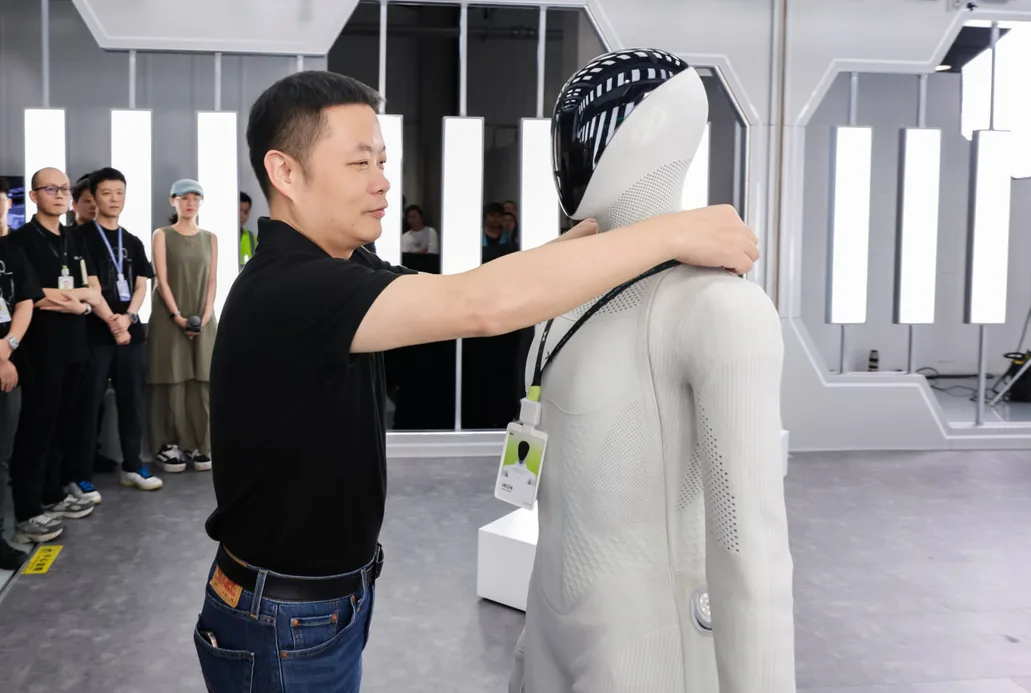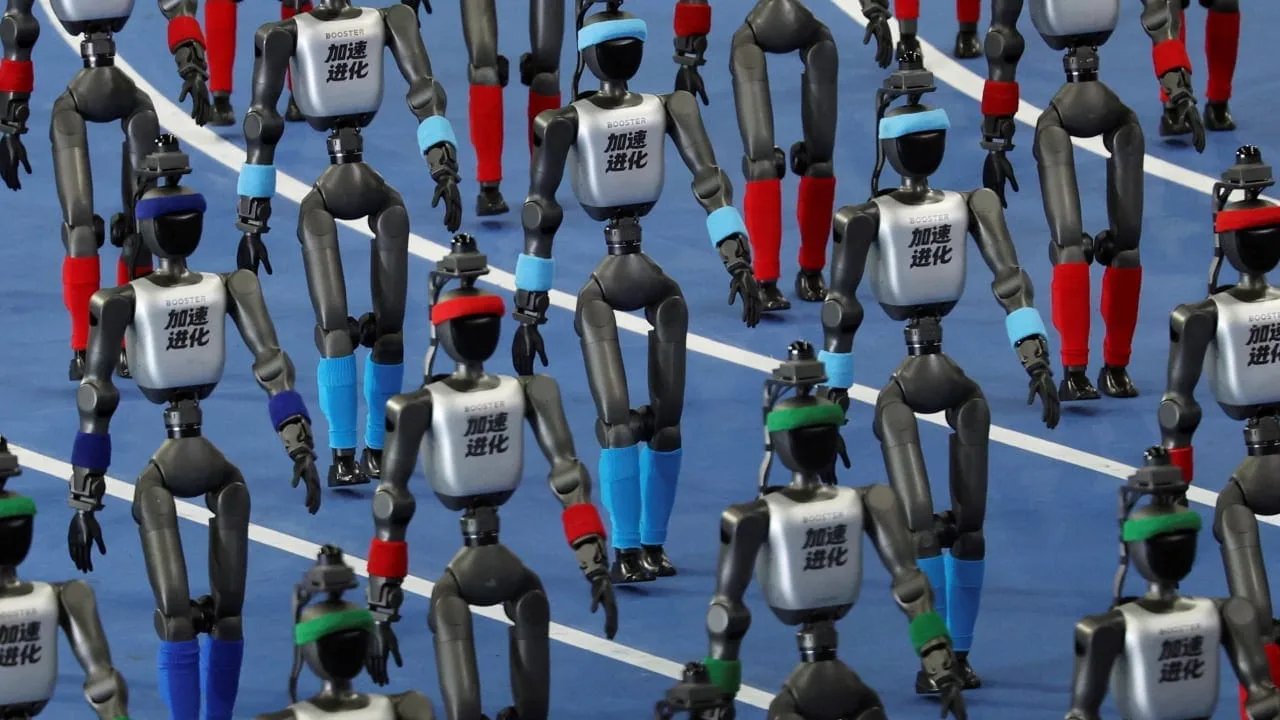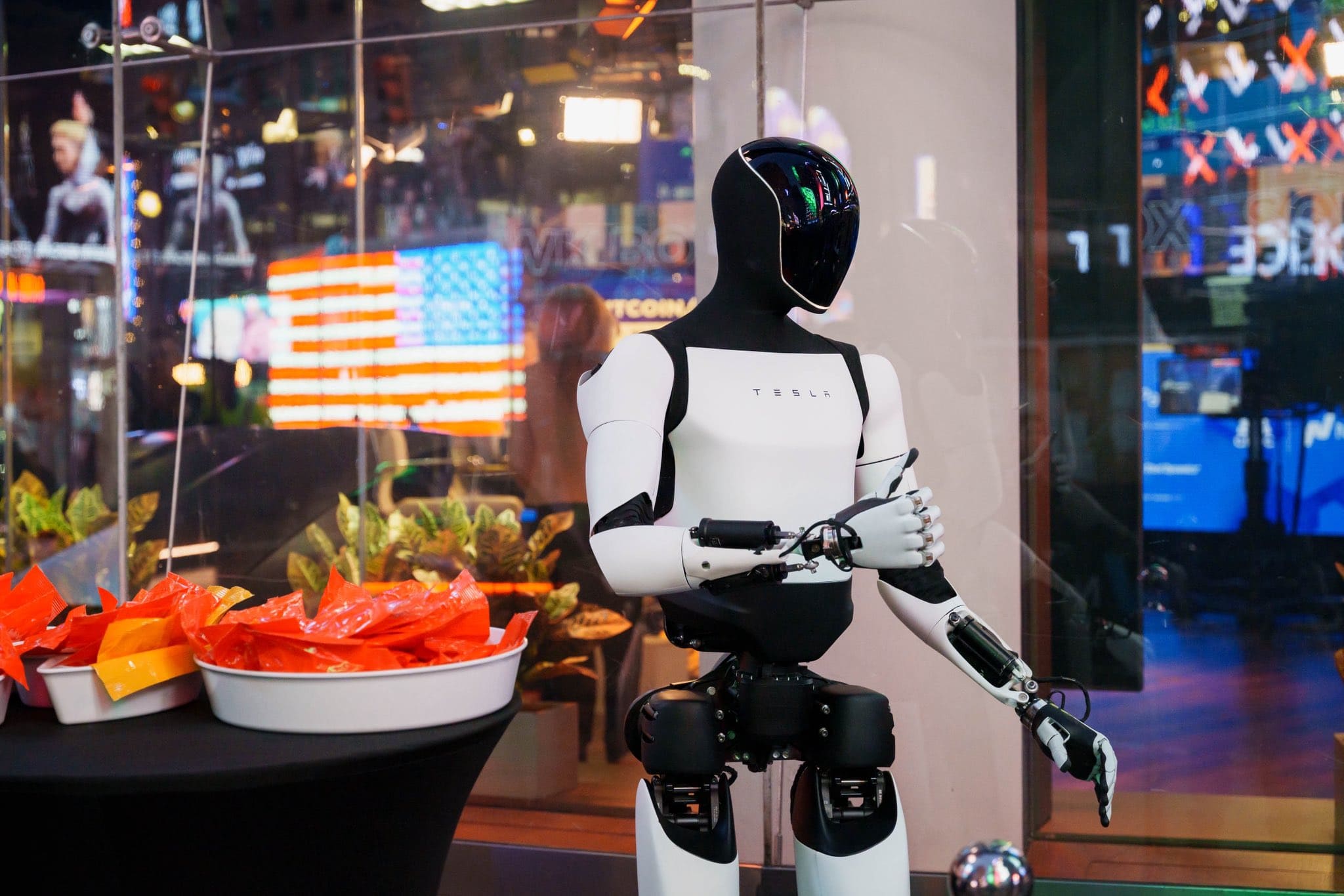
Elon Musk, billionaire and CEO of Tesla, talks about humanoid robots as the future, which could propel the company to a valuation of tens of trillions of dollars. His Optimus robot is not yet for sale, but the situation in China is changing rapidly. Chinese companies are preparing for mass production as early as this year, thanks to government support. China sees these robots as a solution to labor shortages and a way to gain an edge in the technological competition with the US.
China Makes Robots a Priority
The Chinese government has included humanoid robots among the key areas of its plan for the coming years. In October, top officials, including President Xi Jinping, met and approved proposals for the 15th Five-Year Plan, which mentions "embodied artificial intelligence." This refers to systems in which AI controls hardware such as robots or autonomous vehicles. For China, the world's second-largest economy, robots are a response to declining birth rates and an aging population, which are increasing labor costs. They also help in the rivalry with the US, where plans to accelerate robotics under Commerce Secretary Howard Lutnick are now being discussed.
Analysts from the consulting firm Horváth say that China has taken the lead in commercializing humanoid robots. They expect the market in China to initially be larger than in the US, although the two will later become comparable. According to RBC Capital Markets, the global humanoid robot market could reach $9 trillion (approximately CZK 202.5 trillion) by 2050, with China accounting for more than 60% of it.
Key Chinese Companies
More than 150 humanoid robotics companies operate in China, but several of them stand out. Unitree, which is preparing to go public at an estimated valuation of around $7 billion (approximately CZK 157.5 billion), unveiled its H2 model, which can dance, this year. Another major player is UBTech Robotics, which is listed on the Hong Kong Stock Exchange. Its Walker S2 robot can replace its own battery, allowing it to operate 24 hours a day. This year, the company raised around $400 million (approximately CZK 9 billion) for expansion and plans to deliver 500 industrial robots during the year, followed by 5,000 in 2026 and 10,000 in 2027. They are used in factories and as guides.
AgiBot celebrated the production of its 5,000th humanoid robot this month. Electric vehicle manufacturer Xpeng unveiled the second-generation Iron model and is preparing for mass production this year. These companies benefit from China's strength in supply chains, which reduces costs – UBTech expects them to decline by 20% to 30% annually. Local governments also provide subsidies, helping to drive rapid growth.
China's Advantages Over the US
China has an advantage in manufacturing, much as it does with electric vehicles. Ethan Qi of Counterpoint Research emphasizes that extensive supply chains enable lower-cost production. Karel Eloot of McKinsey & Company explains that China is addressing demographic challenges and seeking new economic growth. By contrast, the US excels in artificial intelligence and advanced algorithms, according to Brauchle. American companies focus on vertical integration, meaning control of the entire chain, from components such as actuators (devices that enable movement) to software.
Nevertheless, analysts believe that China is gaining momentum more quickly, although the markets will become comparable in the long term, mainly thanks to household use after 2040.
Not everything is going smoothly. China faces restrictions on access to chips, such as those made by Nvidia. Other challenges include AI's poor handling of unpredictable situations and regulatory issues. From a technical standpoint, it is difficult to replicate human movements, particularly those of the hands and fingers – most robots have a limited range of motion.
The biggest obstacle is price: today's prototypes cost between $150,000 and $500,000 (approximately CZK 3.375 million to CZK 11.25 million) each. To compete with human labor, prices must fall to between $20,000 and $50,000 (approximately CZK 450,000 to CZK 1.125 million).
In November, China's planning agency, the NDRC, warned of the risk of a bubble. With so many companies manufacturing similar products, the market could overheat, as it previously did with electric vehicles. Brauchle warns of the gap between demonstration videos and real-world use, which could trigger a correction and slow progress. Nevertheless, mass production is expected to begin in 2026, potentially transforming many sectors, from factories to households.