

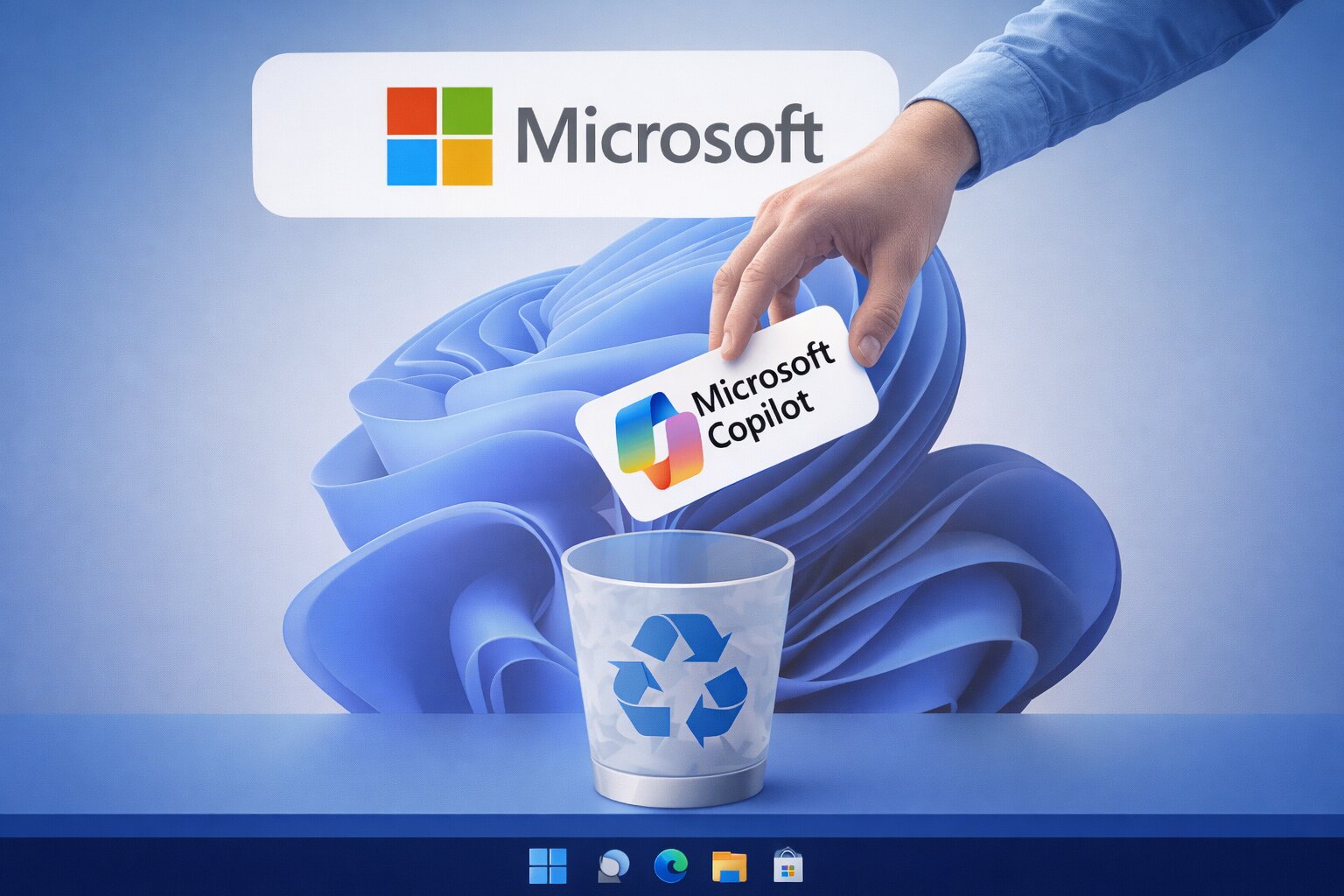
The tech world has been rocked by news that raises a number of questions about what Microsoft truly believes when it comes to AI coding tools. While the company actively sells its GitHub Copilot to customers around the world, internally it is increasingly relying on the competing Claude Code tool from Anthropic.
What Is Happening at Microsoft?
According to information published by The Verge, Microsoft last week asked employees across its Windows, Microsoft 365, Teams, Bing, Edge, and Surface divisions to install Claude Code. This is not a one-off experiment or mere curiosity. Claude Code is being presented as a serious internal tool to be tested alongside the company's own GitHub Copilot.
This is the same GitHub Copilot that Microsoft has promoted for years as the future of software development. The same tool that generated revenue growth of more than 40% in the final quarter of 2024. And the same product that Microsoft is actively offering to companies around the world right now.
The story goes deeper than a single division conducting an experiment. Microsoft's CoreAI team, a new AI engineering group led by Jay Parikh, who previously served as chief technology officer at Meta and now reports directly to CEO Satya Nadella, has been testing Claude Code for several months.
Last week, Microsoft's Experiences + Devices division—one of the company's largest divisions—was asked to install Claude Code. This division is responsible for Windows, Microsoft 365, Outlook, Microsoft Teams, Bing, Edge, Surface, and other products.
Even Non-Technical Employees Are Expected to Experiment
One particularly interesting detail should make the Copilot product team nervous: even employees with no programming experience—designers, project managers, and other non-technical staff—are being encouraged to experiment with Claude Code. This suggests that Microsoft sees potential in the tool far beyond traditional software development. Microsoft has also approved the use of Claude Code across all of its codebases and repositories for the Business and Industry Copilot teams. Software engineers at Microsoft are now expected to use both Claude Code and GitHub Copilot and provide feedback comparing the two tools.
The Connection to the Investment in Anthropic
Microsoft began adopting Anthropic's Claude Sonnet 4 model within its developer division as early as June last year. A few months later, it began prioritizing it for paid GitHub Copilot users. Microsoft is now going even further by widely adopting Claude Code across its largest engineering teams. This strategy makes sense in the context of the two companies' mutual business commitments. Microsoft has a significant partnership with Anthropic that includes not only technological collaboration but also financial investment.
The situation raises a fundamental question: if Microsoft internally prefers Claude Code over its own GitHub Copilot, what does that say about the quality and capabilities of the two tools? For months, developers have been comparing the strengths and weaknesses of Claude Code, Cursor from Anysphere, and Microsoft's GitHub Copilot in search of a winner. While no single AI coding tool can be the best at every task software developers perform every day, Claude Code is increasingly emerging as the winner thanks to its ease of use for both developers and non-technical users.
Copilot Still Generates Significant Revenue
It is important to note that GitHub Copilot remains a significant source of revenue for Microsoft. Revenue growth of more than 40% in the final quarter of 2024 is not insignificant. Microsoft continues to actively sell the tool to enterprises and developers around the world. However, the internal testing of Claude Code suggests that the company is aware of the competitive landscape and wants to ensure that its own products remain competitive. Comparative testing of both tools by employees may provide valuable insights for the further development of GitHub Copilot.
For developers and companies considering investing in AI coding tools, this news is a signal that it is important to test multiple options and not be guided solely by marketing messages. If Microsoft itself is testing alternatives to its own product, it is clear that the market for these tools is still evolving and no solution has yet emerged as the definitive winner.
The question remains how long Microsoft will continue this dual strategy and whether the results of its internal testing will lead to significant changes in GitHub Copilot or to even deeper collaboration with Anthropic.


