When Richard King, founder of the King Ranch, died in 1885, his ranch encompassed about half a million acres in an inhospitable region of South Texas that some called the Wild Horse Desert and others el Desierto de los Muertos, the Desert of the Dead. Throughout his life, King followed the advice of his old friend Robert E. Lee: Buy land and never sell it.
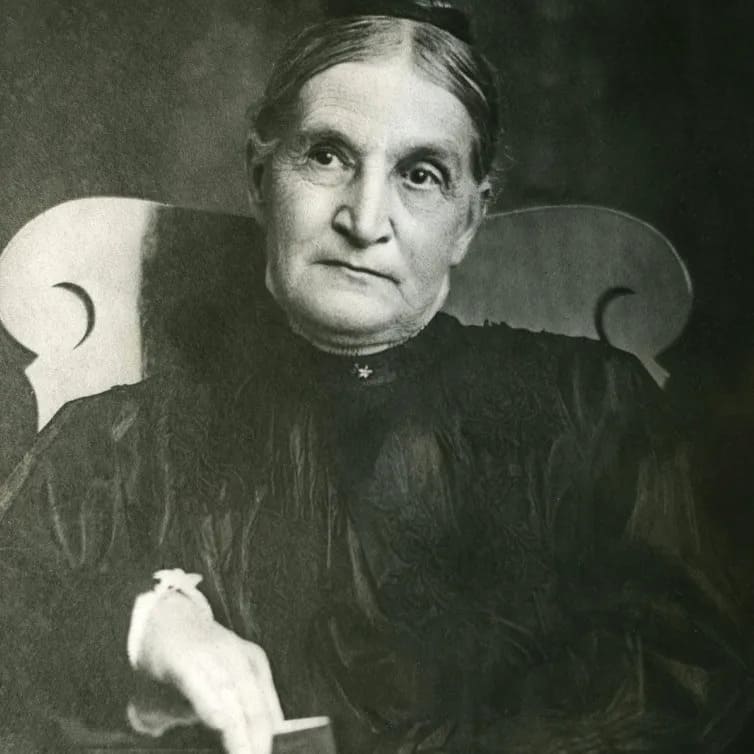
His wife Henrietta was 53 at the time. They had been married for 31 years, and she knew that keeping the land had been his highest priority. She would not let him down. She ruled this ranching kingdom for a full ten years longer than her husband had and more than doubled the size of the ranch during her tenure.
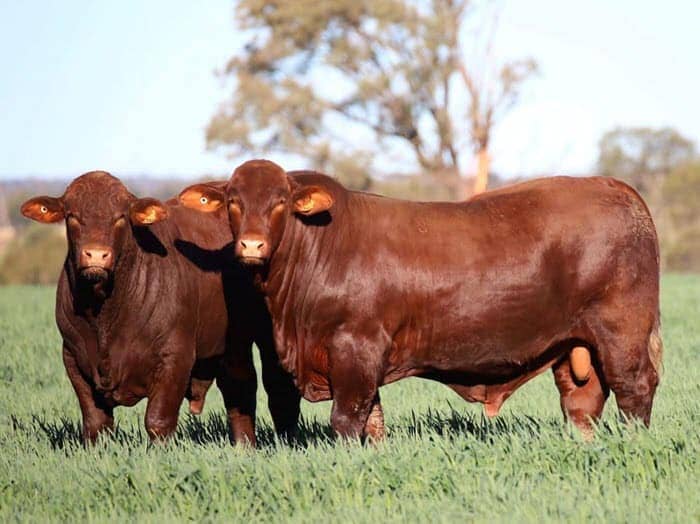
But it was not easy. Soon after his death, she had to break her husband’s golden rule. Henrietta inherited not only half a million acres, but also half a million dollars in debt. She had to sell some of the land to revive the King Ranch. Under the firm but fair hand of Henrietta King and with the expert assistance of her son-in-law Robert Kleberg, the ranch soon began to expand again and then prosper. At the turn of the century, the King Ranch experimented with new irrigation techniques, pasture grasses, and cattle breeding. By the 1920s, Henrietta’s grandchildren had developed their signature breed, named after the creek and Spanish land grant at the heart of King’s property: Santa Gertrudis cattle.
Henrietta Chamberlain met Richard King in Brownsville when she was only 18. She was the quiet daughter of a Presbyterian minister; he was a tough, rugged riverboat captain who liked to drink. When they married in 1854, their first home—while the main ranch house was being built—was a hut made of sticks and mud, “a simple jacal, as the Mexicans would call it,” Henrietta wrote in her memoirs.
“But I doubt that any bride ever had such a happy honeymoon. We roamed the vast prairies on horseback. When I grew tired, my husband spread out a Mexican blanket for me, and I napped in the shade of a mesquite tree.”
From the very beginning, Henrietta King showed that she had what it took to help build a ranch out of inhospitable land and a harsh climate. Historians agree that her husband, who was “largely illiterate,” relied on her for most ranching matters. She took on the task of providing housing and education for the families of the vaqueros employed by the ranch. And Henrietta was not someone who could easily be pushed aside. According to an obituary quoted in a 2011 Texas Monthly article, “the criminals and renegades who infested the area preferred to come to the house when Captain King was home rather than try their luck when his wife was there alone.”
She faithfully ruled the ranch for a full 70 years, and her influence extended far beyond the boundaries of the King Ranch.
It is said that the work of a philanthropist is like that of an old person planting trees: They plant them even though they know they will never enjoy their shade. And so the institutions Henrietta King founded are far more important today than they were during her lifetime.
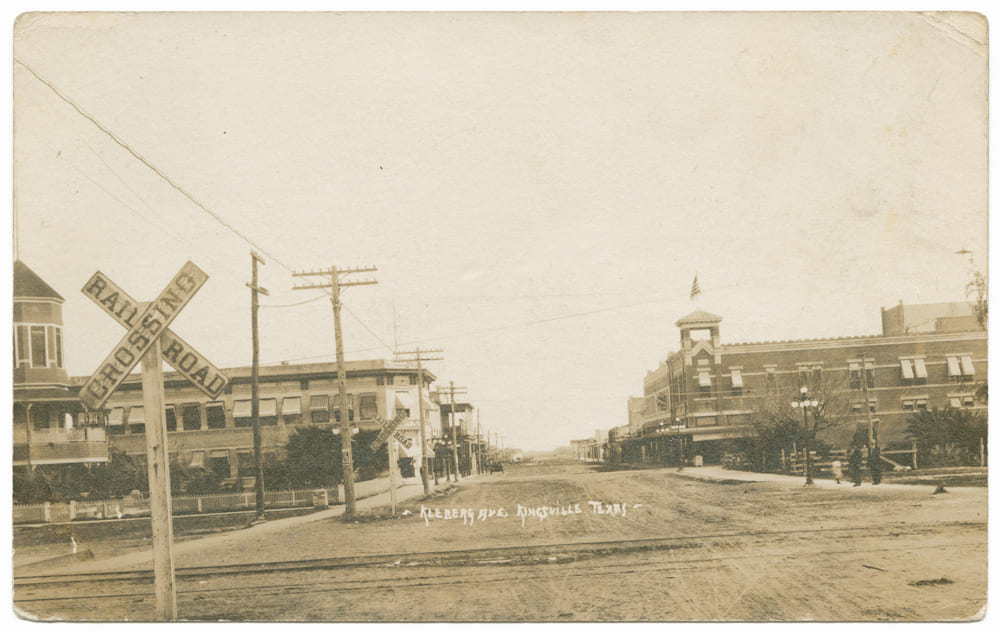
The city of Kingsville stands on land donated by Henrietta; working closely with architect Jules Carl Leffland of Victoria, she financed the design and construction of the city’s public high school. She supported the construction of several churches; invested in a number of local industrial enterprises; and donated land for South Texas State Teachers College, which later became Texas A&M University-Kingsville. In Corpus Christi, Spohn Hospital would not exist without her donations.
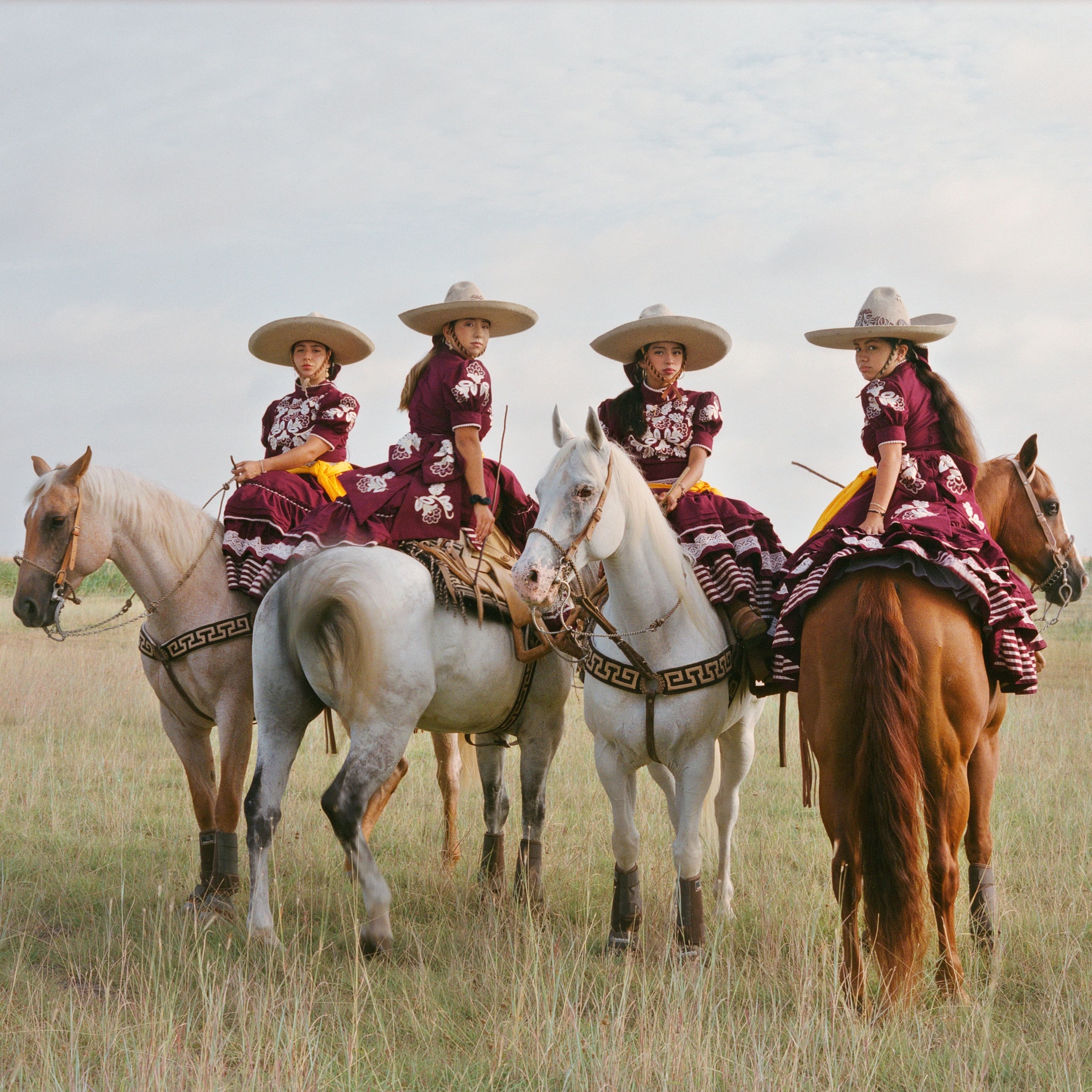
It is said that you can judge a person’s importance by the size and nature of their funeral. When Henrietta King died in 1925 at the age of 92, 200 vaqueros on horseback escorted her funeral carriage to the cemetery. Some of these ranch workers—known as Los Kineños, or King’s Men—rode for two days across the ranch, which by then covered 1.2 million acres, to arrive in time.
At her graveside, each of those vaqueros circled the coffin one by one as it was lowered and removed his hat in tribute to the great lady, La Reina—the queen of the King Ranch.
RECOMMENDED READING: The King Ranch by Tom Lea; Texas State Historical Association.