I delved deep into demonymology. It sounds ominous, but it is not the study of demons; it is simply the study of what people from certain countries or cities are called. Or, put simply in Texas slang: What do y'all up there in Amarillo call yourselves? Amarilloans or Amarillians?
There are general rules for demonyms, but nothing that cannot be broken for the sake of phonetic aesthetics—for the sake of what sounds good.
For example, cities or towns ending in "s" or "n" generally get the suffix "-ites." This is a biblical tradition carried on from names such as Canaanites, Jebusites, and so on.
So people in Dallas are Dallasites. People in Dumas, Texas, are Dumasites. People in Paris, Texas, are Parisites... Well, that is an unfortunate result. So the people there adopted the French convention and call themselves Parisians. Much better.
And this variation in form applies to all Texas cities named after European cities. People from Naples, Texas, are Neapolitans. People living in Liverpool, Texas, are Liverpudlians. Moscow, Texas, has Muscovites. We also have Oxford, Texas. Well, to be honest, Oxford, Texas, has already died out. So the only Oxonians still there are in the cemetery.
We have many unusual, quite unpredictable demonyms in Texas. People from Ivanhoe could be Ivanhoers, but if you say it too quickly, it sounds rude. So Ivanhoans is preferred. Carthage? Carthaginians. Leander? Leanderthals. That is the result of an important archaeological discovery nearby.
What do you call people in Cactus? Cacti? Would that be correct? That is the Latin plural. Maybe Cactusites. It sounds like something in a cave. It could be Cactusians, but that sounds like a sneeze. This is a tough one. And what about Cut and Shoot? They are Cut and Shooters. A tough bunch. Commerce, Texas, is also a challenge. Are they Commercials? Commercians? No, probably Commercites. The demonym for residents of Waco is not Wackos. It is Wacoans.
Comfort is interesting. Are they Comforters? Actually, yes. Dime Box has Dime Boxers. Alice, a tough, working-class oil-service town, has a truly sophisticated demonym. They are Alicians. I like that.
Corpus Christi consists of Corpus Christians. No better demonym for the Rapture.
For places ending in "-o," simply add "-an." Laredo? Laredoans. San Angelo? San Angeloans. El Paso? El Pasoans. Amarillo? It depends on whether you say Amarillo or Amarilla. George Strait sings "Amarillo by Morning." So I am going with him. The demonym must therefore be Amarilloans, and the website Amarillo.com confirms it.
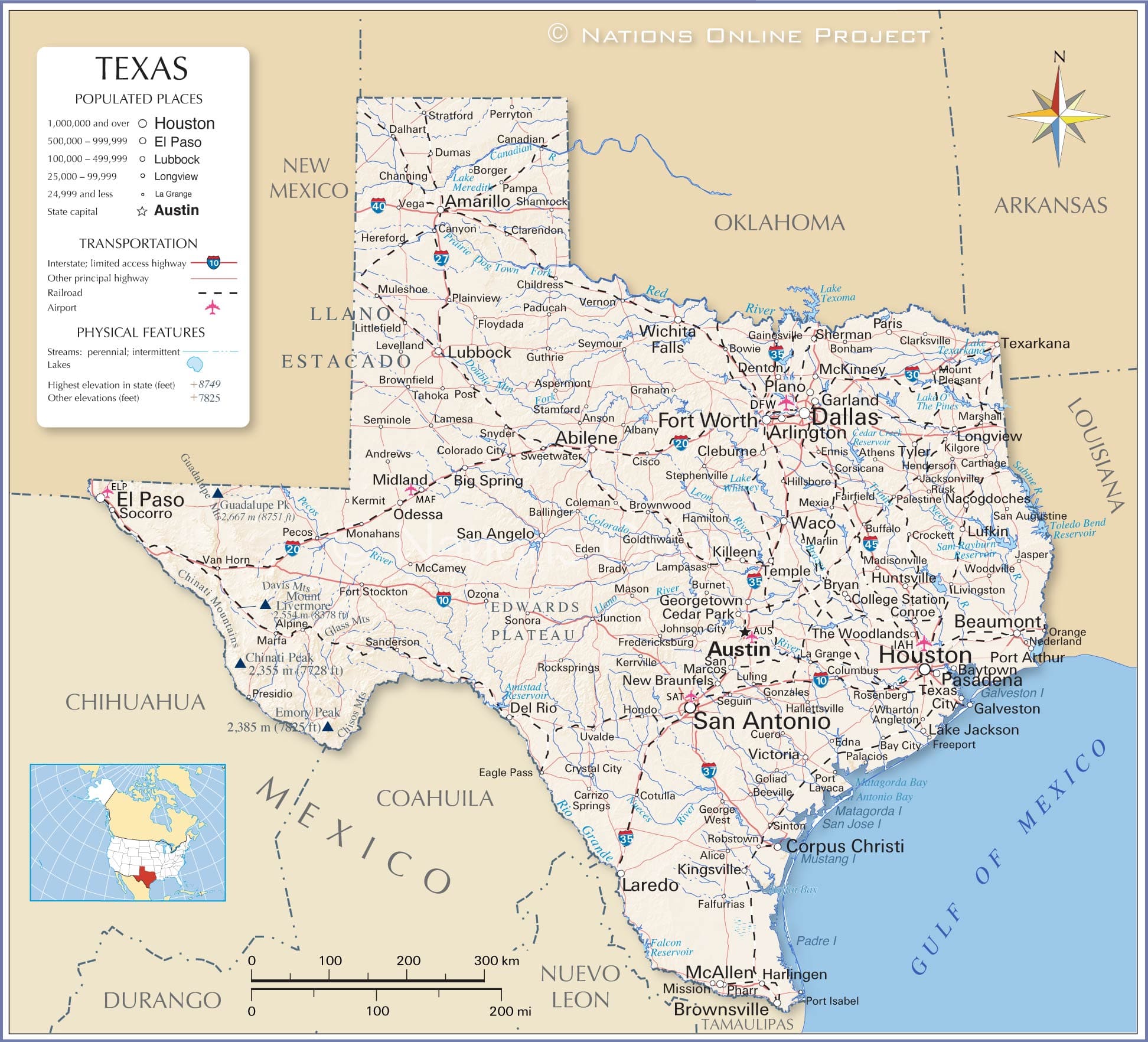
But San Antonio does not follow this rule. San Antonioans is phonetically clumsy. So we discard the rule and simply go with what sounds better: San Antonians.
If you have the ending "-on," then by convention you add "-ian" to create the demonym. Houston; Houstonian. Sinton; Sintonian. Denton should be Dentonian, but many people there prefer Dentonite. I have even heard Dentite, but I think that is Seinfeldian.
Hamilton; Hamiltonian. Jefferson; Jeffersonian. These cities should get together for a good political debate.
The citizens of Refugio, according to the Spanish meaning, could be Refugees. But the town's name ends in "o," and the "g" is pronounced as if it were an "r"... so once again we have phonetic chaos. Refu(r)ioans? No, Refu(r)ians.
Falfurrias, which is derived from Lipan Apache, has a similar result: Falfurrians, or the Spanish version, Falfurrianos.
People in Austin apparently prefer Austinites. But an argument could be made for Austinians. There is a city in Australia called Darwin, and its people are Darwinians, so Austinian would be fine based on precedent. Austonian, however, cannot be a demonym. It is an adjective and describes styles associated with the city (and it is also the name of a large luxury skyscraper downtown where some well-to-do Austinites live). For example, you can say: "I love Austonian architecture."
Anything ending in "ville" is easy: Brownsvillians. Pflugervillians.
For places ending in "burg," you simply add "-er." Now I am going to make you hungry: Edinburgers, Fredericksburgers, Rosenburgers. It seems we should have a town in Texas called Whataburg, whose residents would then be Whataburgers. Maybe I will move there just so I can be one.
Comanche, you would think, should have Comanches, but because they are not members of the tribe, they are Comancheans.
San Marcos, San Marcoans. Corsicana, Corsicanonites? No. Corsicanans.
Does Buda have Budists? I think they are Budans, but be sure to pronounce that first syllable so that it rhymes with PEW, not BOO.
I suppose people in Martin could be Martians, but more likely Martinites.
The citizens of Marfa are Marfans. But if they were Marfalites, that would make for good marketing.
People in Paradise are Paradisians.
Happy has Happians.
Wink has Winkers.
Vega, Texas, has Vegans.
And Victoria has Victorians.
We even have demonyms based on regions. We have Llano Estacadoans, we have Big Benders, and we have Panhandlers.
But regardless of what our demonym may be, collectively we are all Texans.
And to me, that is about the best thing a person can be in this world.