

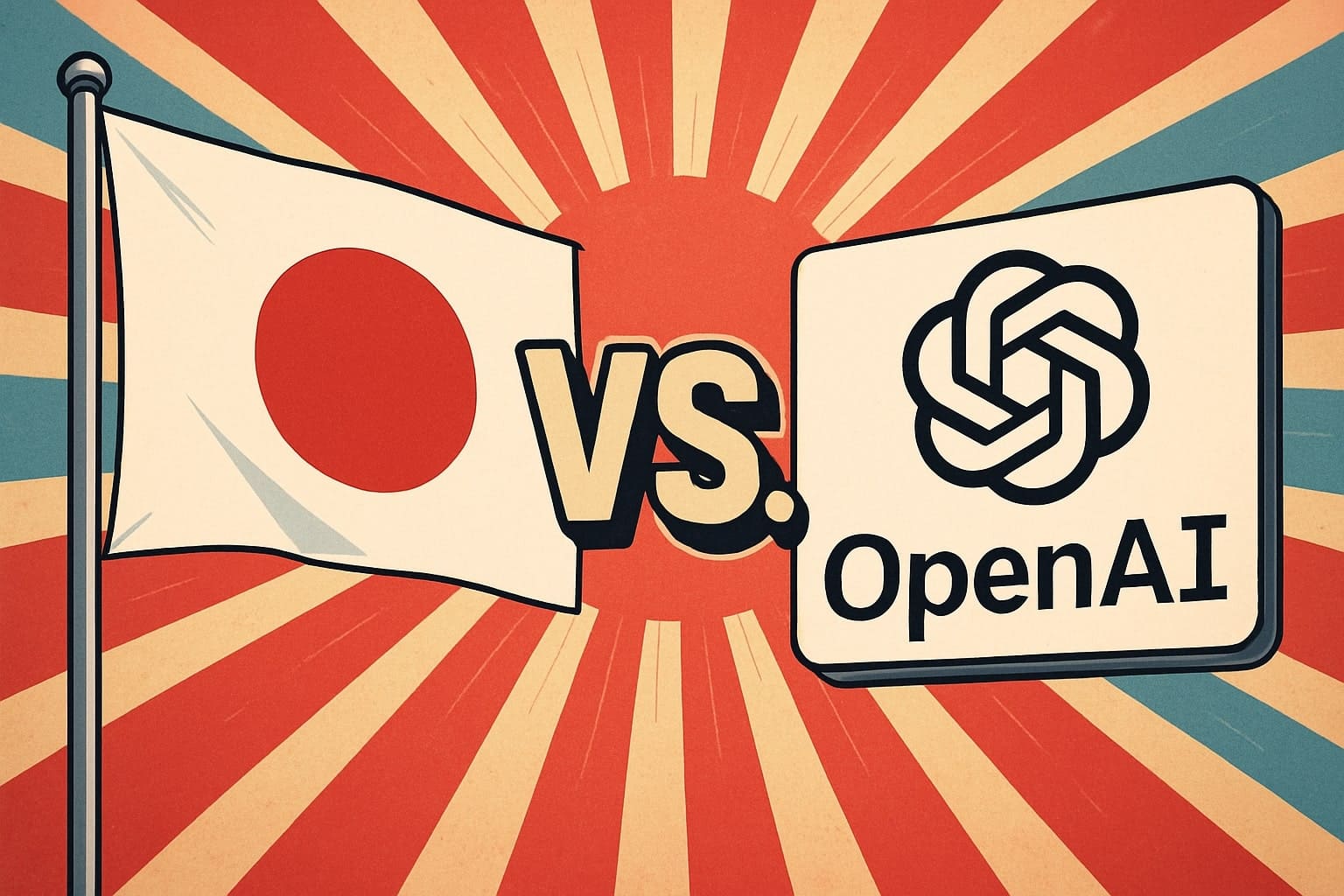
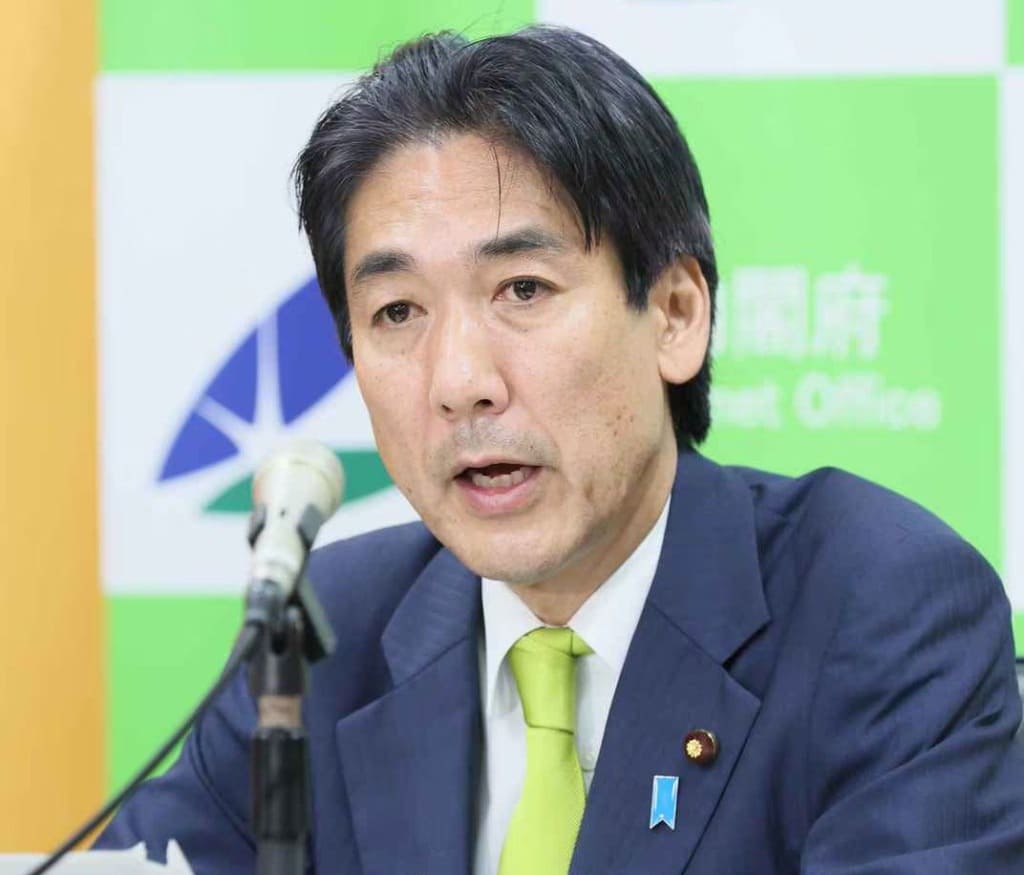
Japan's Minister for Intellectual Property Strategy, Minoru Kiuchi, announced that the government officially requested last week that OpenAI cease activities that could infringe copyright. The request was made through the Intellectual Property Strategy Promotion Secretariat within the Cabinet Office. Kiuchi shared this at a press conference, as reported by the Japanese media outlet ITMedia. According to him, anime and manga are irreplaceable treasures that Japan can be proud of around the world.
The government is responding to videos generated by the Sora 2 model that resemble works such as those from Studio Ghibli. OpenAI launched its new video and image generator, Sora 2, at the end of last month. The reaction from copyright holders was immediate and filled with dismay. Social media quickly filled with videos featuring characters owned by the Japanese giant Nintendo, such as Pikachu storming the beaches of Normandy or Mario driving his go-kart like a madman, in keeping with his behavior in Mario Kart. Nintendo is among the companies that have expressed their opposition.
OpenAI's Response
OpenAI initially told copyright holders that they would have to request that their content be excluded from Sora 2's training themselves. However, after a storm of criticism, CEO Sam Altman quickly backed down and promised rights holders greater control over the use of their materials. In his October 3 blog post, Altman specifically mentioned Japan. He acknowledged users' deep connection to Japanese content and praised the country's creative output. Japanese politician Akihisa Shiozaki described the situation as a serious issue under this year's Artificial Intelligence Promotion Act. Section 16 of the law gives the government the authority to take action against companies that violate the rights of Japanese citizens through the improper use of AI.
Shiozaki tested Sora 2 himself and generated images of popular anime characters at a quality indistinguishable from the originals. He found that characters belonging to American companies, such as Mickey Mouse or Superman, did not appear, which he considers unequal treatment. Shiozaki spoke directly with OpenAI's management, and Altman's post was published shortly afterward. According to Shiozaki, filters blocking the unauthorized creation of Japanese anime and video game characters were strengthened. Nevertheless, the government's request came only after Shiozaki's blog post, suggesting that Japan is still dissatisfied with the level of protection.
Ongoing Filtering Issues
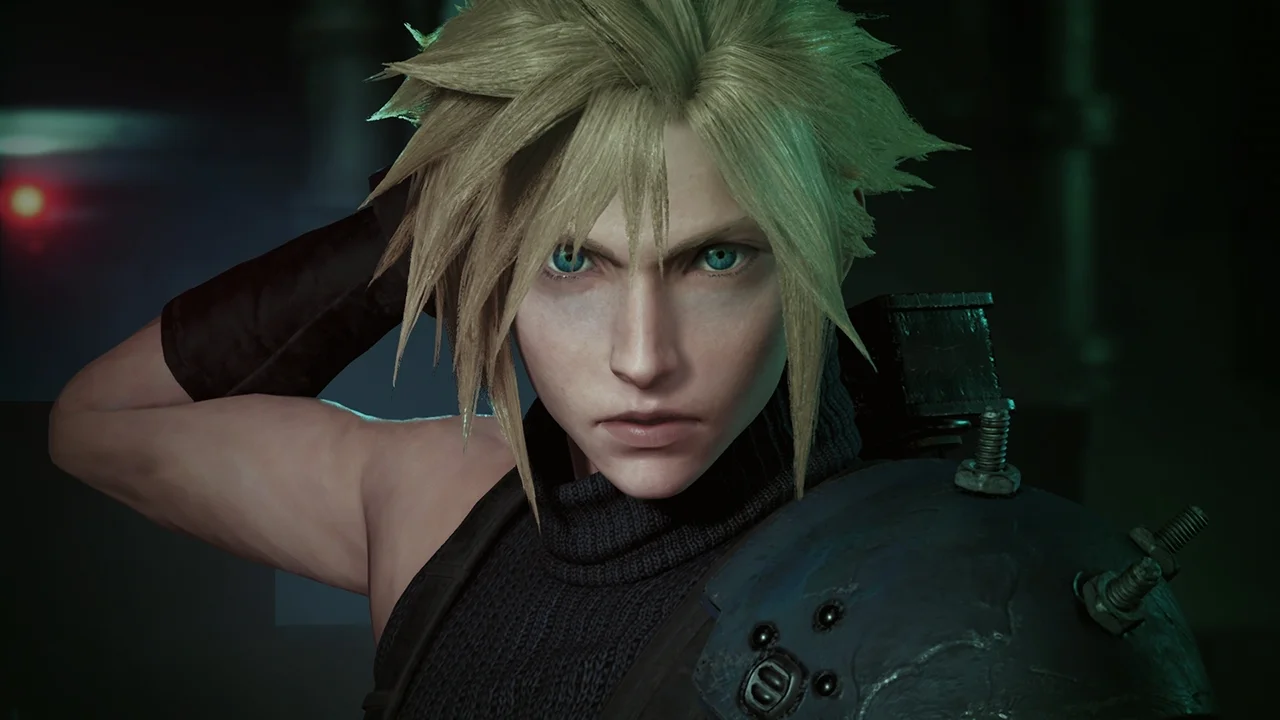
Currently, attempts to generate videos featuring specific Japanese characters, such as Cloud Strife from Final Fantasy VII or Final Fantasy characters in general, result in a copyright warning and rejection. On the other hand, requests for art in the style of famous Japanese animation studios, such as Hayao Miyazaki's Studio Ghibli, still produce results. However, the Sora app still contains a number of anime-style videos that imitate various studios.


