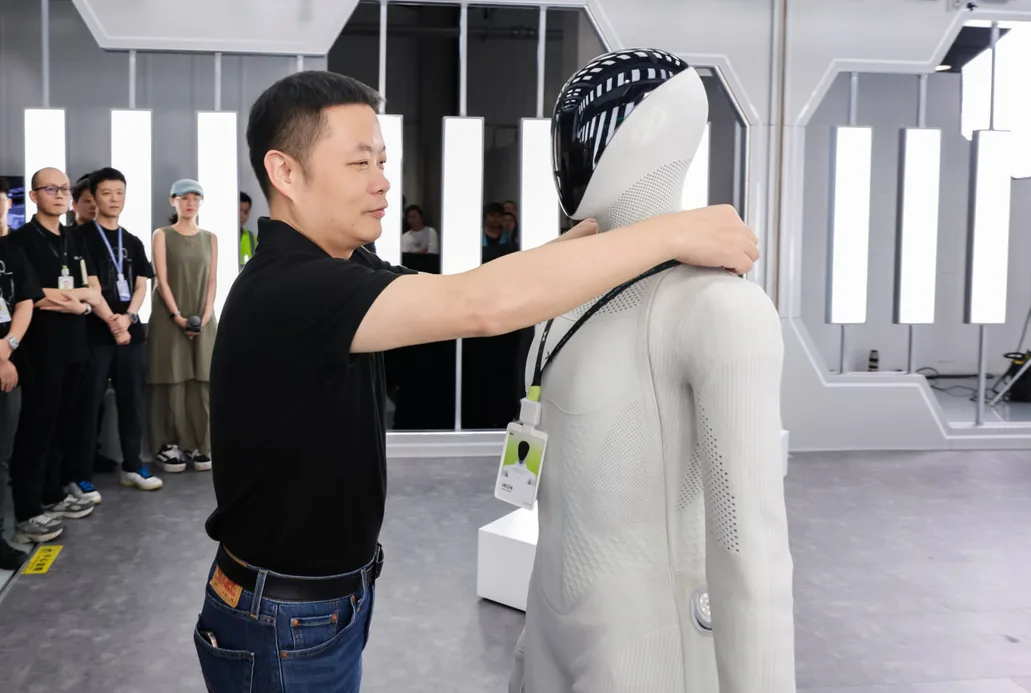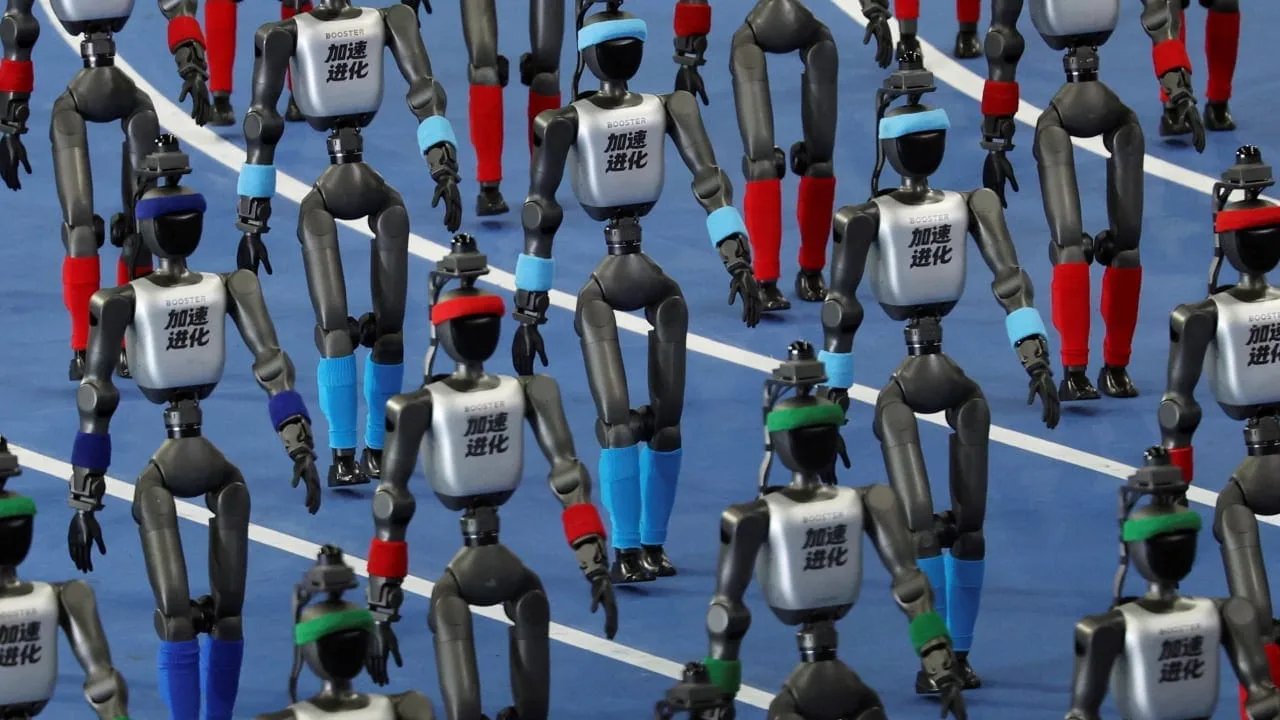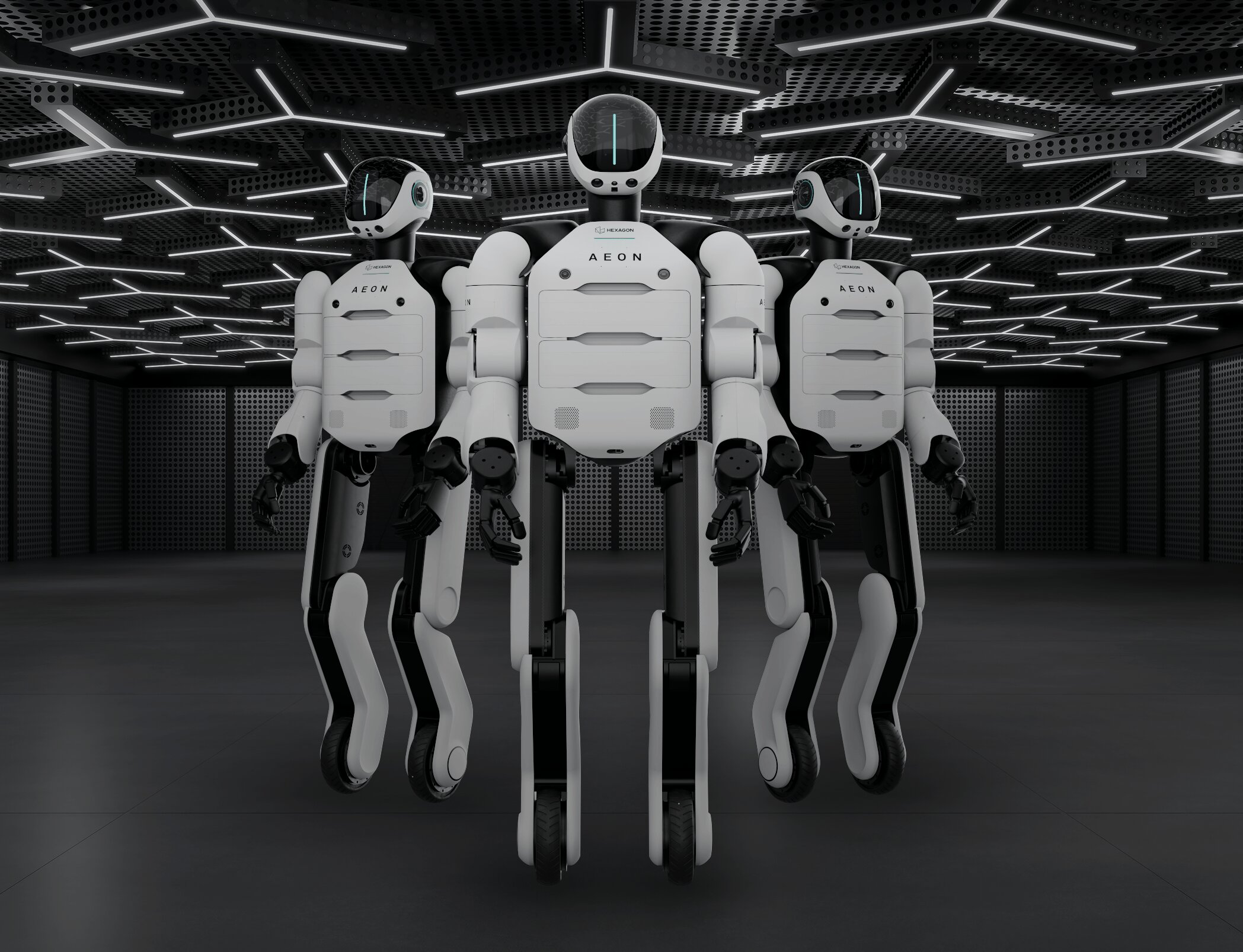
The partnership between Microsoft and Hexagon Robotics, announced this week, marks an important milestone in the commercialization of AI-powered humanoid robots for industrial environments. The two companies will combine Microsoft's cloud and AI infrastructure with Hexagon's expertise in robotics, sensors, and spatial perception to accelerate the deployment of physical AI systems in real-world conditions.
At the heart of the collaboration is AEON, Hexagon's industrial humanoid robot designed for autonomous operation in factories, logistics centers, engineering plants, and similar facilities.
The collaboration focuses on multimodal AI training, imitation learning, real-time data management, and integration with existing industrial systems. The initial target sectors include the automotive industry, aerospace, manufacturing, and logistics, where labor shortages and operational complexity constrain financial growth.
This announcement signals the maturation of an ecosystem where cloud platforms, physical AI, and robotics engineering converge, making humanoid automation commercially viable.
Humanoid Robots Are Leaving the Labs
While humanoid robots have long been the domain of research institutions and demonstrations at technology events, the past five years have brought a shift toward practical deployment in real-world work environments. The main change is the combination of improved perception, advances in reinforcement and imitation learning, and the availability of scalable cloud infrastructure.
One prominent example is Digit by Agility Robotics, a bipedal humanoid robot designed for logistics and warehouse operations. Digit has been tested in live environments, such as at Amazon, where it performs tasks including moving containers and last-mile logistics. Such deployments focus on supporting human workers rather than replacing them, with Digit handling physically demanding activities.
Similarly, Tesla's Optimus program has progressed from concept videos to factory testing. Optimus robots are being tested on structured tasks such as handling parts and transporting equipment in Tesla's automotive manufacturing facilities. Although the scale remains limited, these tests demonstrate the choice of humanoid forms over less anthropomorphic designs so that they can operate in spaces designed for people.
Inspection, Maintenance, and Hazardous Environments
Industrial inspection is emerging as one of the first commercially viable use cases for humanoid and quasi-humanoid robots (robots that resemble humans, for example, only in the upper half of their bodies). Atlas by Boston Dynamics, although not yet a generally available product, has been used in live industrial tests for inspection and disaster response. It can navigate uneven terrain, climb stairs, and handle tools in locations that are dangerous for people.
Toyota Research Institute has deployed humanoid robotic platforms for remote inspection and manipulation in similar environments. Toyota's systems rely on multimodal perception and human-in-the-loop control, highlighting an industry trend: early deployments emphasize reliability and traceability and therefore require human oversight.
Hexagon's AEON fits into this trend. Its focus on sensor fusion and spatial perception is crucial for inspection and quality control, where an accurate understanding of the physical surroundings is more valuable than the conversational capabilities associated with common uses of AI.
Cloud Platforms Are at the Core of Robotics Strategy
A key element of the Microsoft and Hexagon partnership is the use of cloud infrastructure to scale humanoid robots. Training, updating, and monitoring physical AI systems generates large volumes of data, including video, sensor feedback, spatial mapping, and operational data. Managing this data locally has historically been challenging due to storage and processing limitations.
Thanks to Azure and Azure IoT Operations, along with cloud-based real-time intelligence services, entire robot fleets can be trained rather than just individual units. This opens up opportunities for shared learning, iterative improvement, and greater consistency. For executive-level managers, these changes in IT architecture mean that humanoid robots are becoming entities that can be managed more like enterprise software than machines.
Global Labor Shortages Are Driving Adoption
Demographic trends in manufacturing, logistics, and asset-intensive industries are becoming increasingly unfavorable. An aging workforce, declining interest in manual roles, and persistent skills shortages are creating gaps that conventional automation cannot fully fill—at least not without rebuilding entire facilities for a robotic workforce. Fixed robotic systems excel at repetitive, predictable tasks but struggle in dynamic, human-centered environments.
Humanoid robots fill this gap. They are not designed to replace workflows, but to stabilize operations where human availability is uncertain. Case studies demonstrate value during night shifts, periods of peak demand, and tasks considered too dangerous for people.
For decision-makers considering investments in next-generation workplace robots, several points have emerged from real-world deployments: Task specificity is more important than general intelligence, with the more successful tests focusing on clearly defined activities. Data governance and security remain top priorities, especially when connecting to cloud platforms.
At the human level, workforce integration may be more challenging than acquiring, installing, and operating the technology itself. Nevertheless, human oversight remains essential at this stage of AI maturity due to safety requirements and regulatory approval.
A Gradual but Irreversible Shift
Humanoid robots will not eliminate the human workforce, but growing evidence from live deployments and prototypes confirms that they are entering workplaces. Today, AI-powered humanoid robots can perform economically valuable tasks, and their integration with existing industrial systems is entirely feasible. For executives willing to invest, the question may be when competitors will deploy this technology responsibly and at scale.