Google Introduces Imagen 4—the Most Advanced AI Model for Creating Images from Text
Google has introduced its most advanced text-to-image generation model—Imagen 4, which is now available in paid preview through the Gemini API and for limited free testing in Google AI Studio. This tool represents a significant advancement in artificial intelligence focused on visual creation, offering dramatically improved text rendering compared to Google's previous models.
The Imagen 4 Family: Two Models for Different Needs
Google has introduced two variants of the Imagen 4 model, each designed for specific creative requirements. The first is the standard Imagen 4, which serves as the flagship model for generating images from text and can handle a wide range of image generation tasks with significant quality improvements, particularly in text generation compared to the Imagen 3 model. This model is priced at $0.04 per output image, making it an affordable choice for most applications.
The second variant is Imagen 4 Ultra, which is designed specifically for situations where you need your images to follow instructions precisely. This model is optimized to produce outputs that are more closely aligned with text prompts and achieves strong results compared to other leading image generation models. Imagen 4 Ultra is priced at $0.06 per output image and represents a premium option for creative professionals and use cases requiring high precision.

Technical Specifications and Accessibility
According to the official documentation, the Imagen 4 API has specific limits: a maximum of 20 API requests per minute per project and a maximum of 4 images per request. Google plans to introduce additional billing tiers in the coming weeks and, in the meantime, allows users with greater needs to request higher rate limits for Imagen 4 and 4 Ultra.
The model is supported on several platforms, including the Gemini API, Google AI Studio, and Vertex AI, giving developers the flexibility to choose the most suitable implementation for their projects. Integration is made easier by support for major programming languages such as Python and JavaScript, with straightforward API methods for generating images from prompts.
Practical Examples of the Model's Capabilities
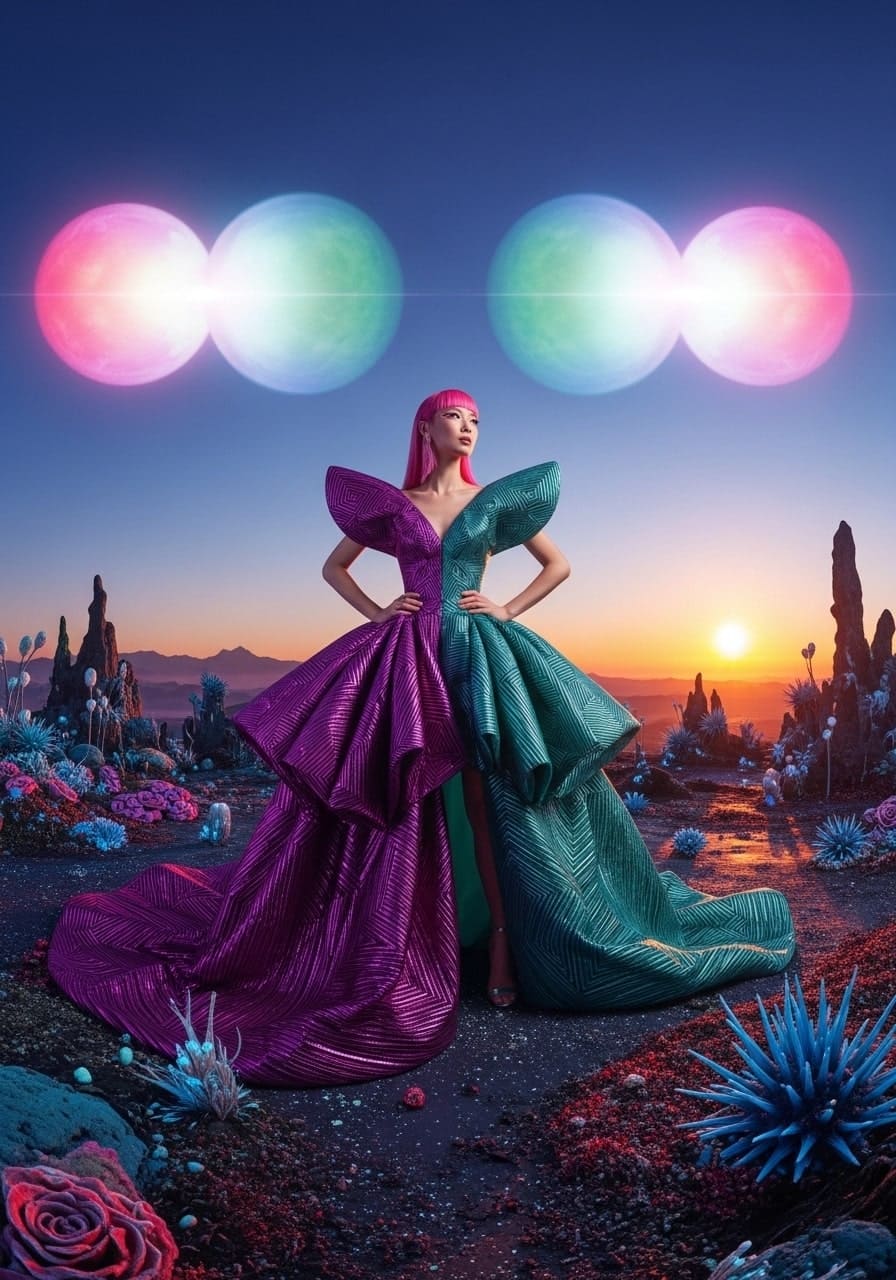
Alisa Fortin, Guillaume Vernade, and Seth Odoom, who prepared the article for the Google Developer Blog, presented several impressive examples of what Imagen 4 can create. The examples created using Imagen 4 Ultra include a three-panel space comic with detailed text on consoles and ship hulls, a vintage travel postcard from Kyoto featuring an iconic pagoda beneath cherry blossoms, a photograph of an adventurous couple on a mountaintop at sunrise, and an avant-garde fashion editorial featuring a model in a voluminous architectural dress against a shimmering alien landscape.
These examples demonstrate the model's versatility across different styles and types of content, from science-fiction comic panels to cinematic fashion scenes. Particularly significant is the improved text rendering, which addresses a key limitation of previous models and produces more accurate, readable text in images.
Trust and Transparency
To maintain trust and transparency, all images generated by Imagen 4 models will continue to contain an invisible SynthID digital watermark. This technology from DeepMind enables the identification of AI-generated content and contributes to the responsible use of generative artificial intelligence. The SynthID watermark provides an advanced solution for labeling synthetic content without affecting the visual quality of the resulting images.
Google also provides comprehensive documentation and practical guides (cookbooks) for developers who want to start working with Imagen 4. The official documentation is available through the Gemini API documentation, and cookbook examples are available in the google-gemini GitHub repository, making it easier to quickly integrate the model into existing projects.
Future and Availability
Google plans to make these models generally available in the coming weeks, indicating a rapid expansion beyond the current paid preview phase. The company is thus continuing its efforts to democratize access to advanced AI content creation tools while maintaining high standards of quality and responsibility.
Imagen 4 sets a new standard for Google's text-to-image capabilities, offering developers and businesses improved control, quality, and reliability when generating visual content. With the combination of the standard model's affordable price and the premium capabilities of the Ultra variant, it covers a wide range of uses, from personal projects to professional creative applications.