Gemini Robotics 1.5: A New Generation of Robots That Think and Act
Imagine a robot that not only sees the world around it, but also plans what it will do next and explains its decisions in words. This is exactly what the new Gemini Robotics 1.5 model from Google DeepMind, released on September 25, 2025, makes possible. This vision-language-action (VLA) model takes visual information and verbal instructions and translates them directly into robot movements. For example, when a robot is tasked with sorting laundry by color, it first thinks it through—whites into the white basket, colors into the black one—and only then starts moving its arms to carry out the task. All this is made possible by the model's ability to generate an internal chain of thought in natural language, making the entire process more transparent.
The model works together with another model called Gemini Robotics-ER 1.5, which acts as a higher-level brain. This vision-language model (VLM) specializes in planning and logical decision-making in real-world environments. It can call digital tools such as Google Search to obtain the necessary information—for example, local waste-sorting rules. It then sends precise instructions to the Gemini Robotics 1.5 model, which turns them into specific actions. Both models are built on the Gemini family of models and fine-tuned on specialized data, enabling them to handle longer tasks in a variety of environments.
Thinking Before Every Move
One of the greatest advantages of Gemini Robotics 1.5 is that the robot thinks before it moves. When given a task such as "sort my laundry by color," the model first analyzes the situation: it understands that whites belong in one basket and colored items in the other. It then plans its movements, such as picking up a red sweater and placing it in the black basket, and even considers details like moving the sweater closer to make it easier to grasp. This process breaks complex tasks down into simpler parts, helping the robot handle new situations and become more resilient to changes in its surroundings.
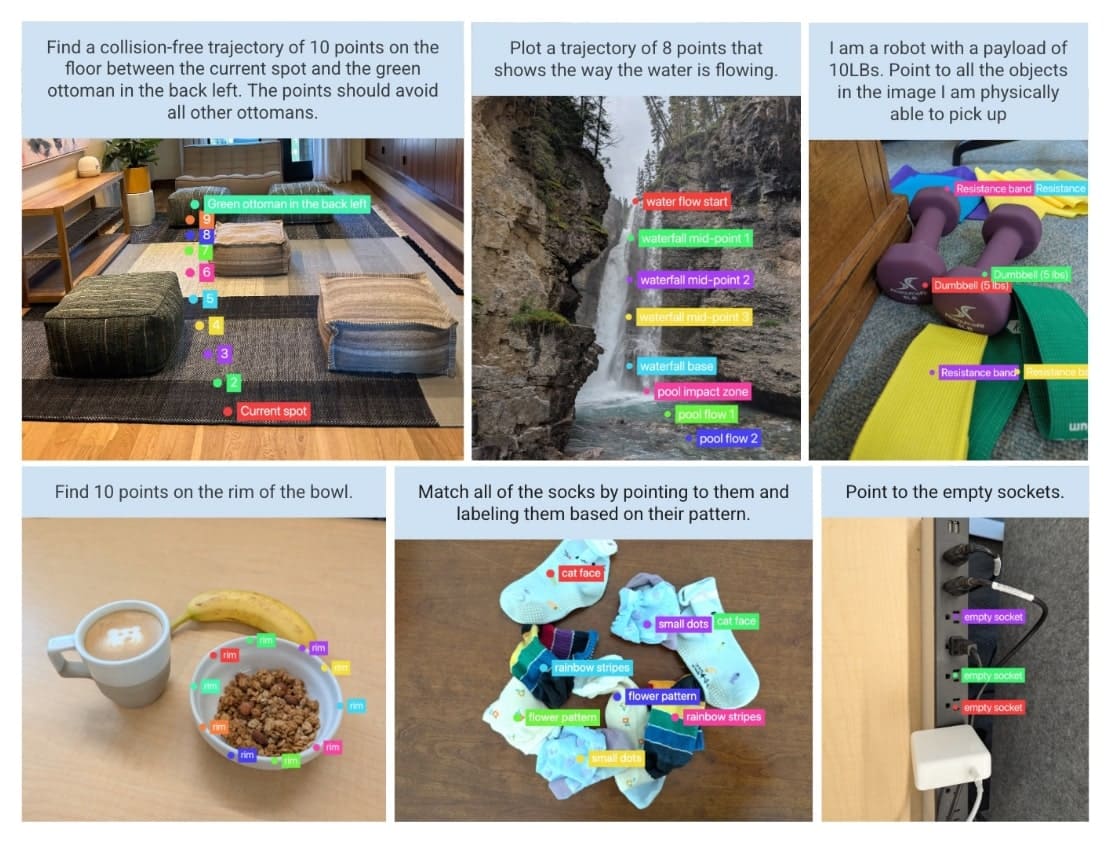
This ability makes the robot more flexible. For example, when sorting objects into compost, recycling, and trash, it first looks up local rules online, examines the items in front of it, and then sorts them. It does all this without requiring precise commands from a person—a general request is enough.
Learning Across Different Types of Robots
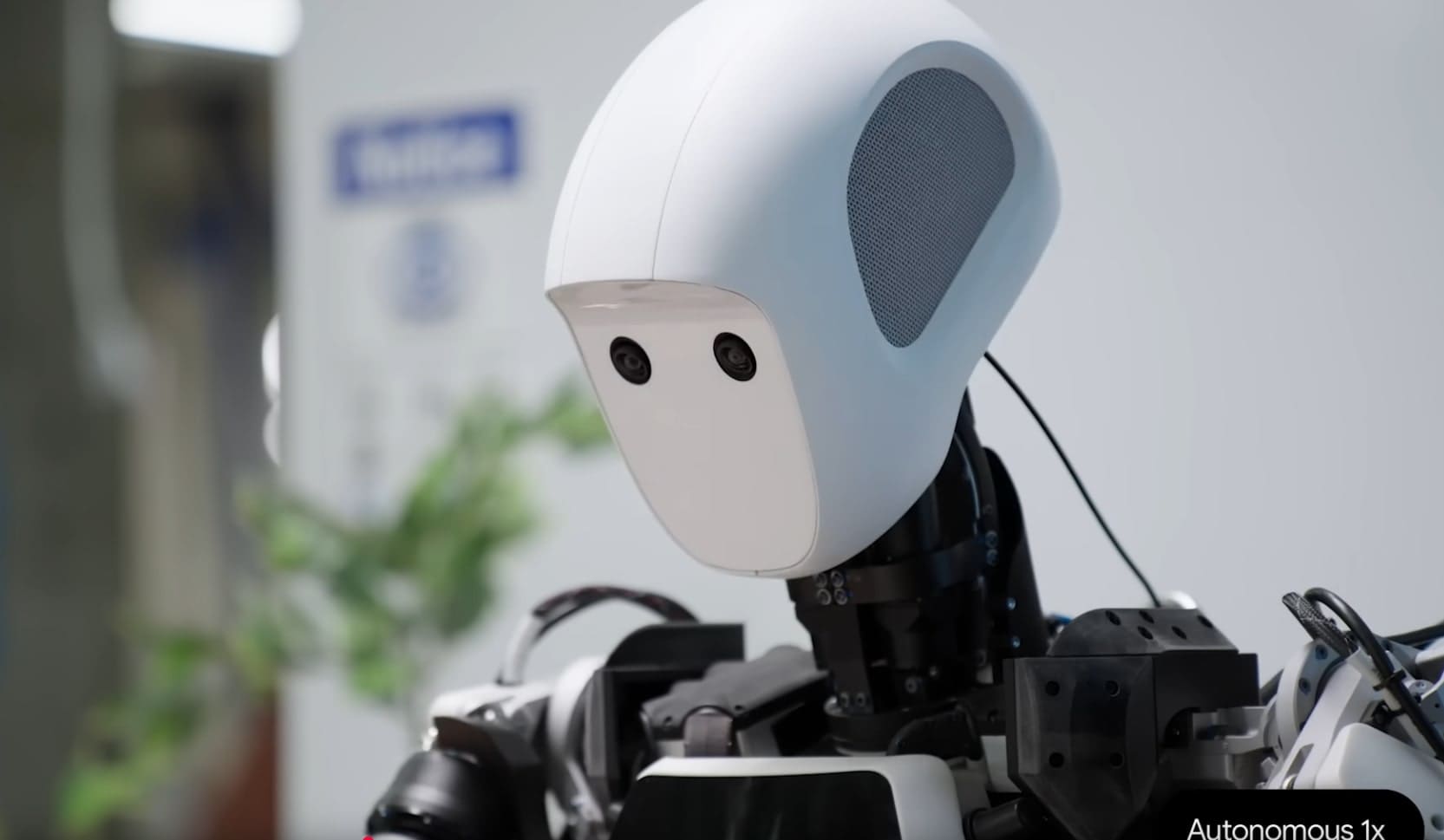
Gemini Robotics 1.5 can transfer learned skills between different robots, which is a major breakthrough. If the model learns a task on an ALOHA 2 robot with two arms, the same movement also works on Apptronik's Apollo humanoid robot or on a dual-arm Franka robot. This means there is no need to adapt the model for each new type of robot—the skills transfer directly, accelerating learning and making robots more versatile.
This approach is based on training with data from different robots, enabling generalization. For example, tasks trained only on ALOHA 2 work immediately on Apollo or Franka, and vice versa.
Safety and Availability for Developers
Safety is crucial, which is why the Gemini Robotics 1.5 model incorporates safety reasoning before every action, follows Gemini's principles when interacting with people, and activates the robot's collision-avoidance systems. Google DeepMind has improved the ASIMOV benchmark for safety evaluation, which now offers better coverage of edge cases, annotations, and new types of questions and videos. The Gemini Robotics-ER 1.5 model achieved state-of-the-art results in these tests.
As of September 25, 2025, Gemini Robotics-ER 1.5 is available to developers through the Gemini API in Google AI Studio. The full version of Gemini Robotics 1.5 is currently available to selected partners. Details about building with these models can be found on the developer blog.
This development brings robots closer to helping in everyday life—from cleaning to complex industrial tasks. With Gemini Robotics 1.5, artificial intelligence is becoming part of the physical world, where robots not only react but also actively think and plan.