... The livestock show, once supported by the Fort Worth Stockyards but now an independent entity, is Fort Worth’s largest and most famous annual event. Each year, it contributes more than $100 million to the local economy. It runs for 24 days every January and extends into the first week of February. The show began at the stockyards on a snowy March day in 1896, when ranchers brought their cattle and lined them up along the banks of Marine Creek. Organizers feared that the bad weather would ruin the event and dampen enthusiasm for future livestock events. Stockyards promotional agent Charles C. French and Charles McFarland, a rancher from the Weatherford area and a member of the North Texas Cattle Raisers Association, came up with the idea for a livestock show during a conversation at McFarland’s ranch. Although no show was held the following year, in 1897, the event resumed in March 1898 and continued annually at the Fort Worth Stockyards until 1942, when a flood left large amounts of mud and sand on the coliseum floor. In 1943, during World War II, the show was canceled because of gasoline rationing and the use of the livestock exhibition building (now the Billy Bob’s Texas nightclub) for aircraft assembly. The following year, the show moved to the new Will Rogers Memorial complex on Fort Worth’s west side, where it attracted larger crowds than it had at the stockyards. Earlier in the 20th century, the show had become independent and no longer needed the financial support of the Fort Worth Stockyards that had initially been necessary. Encouraged by growing attendance, organizers decided to remain on the west side, and North Side residents could do nothing about it. In response, the Fort Worth Stockyards National Historic District created its own event in the 1970s and holds a rodeo every Friday and Saturday night.
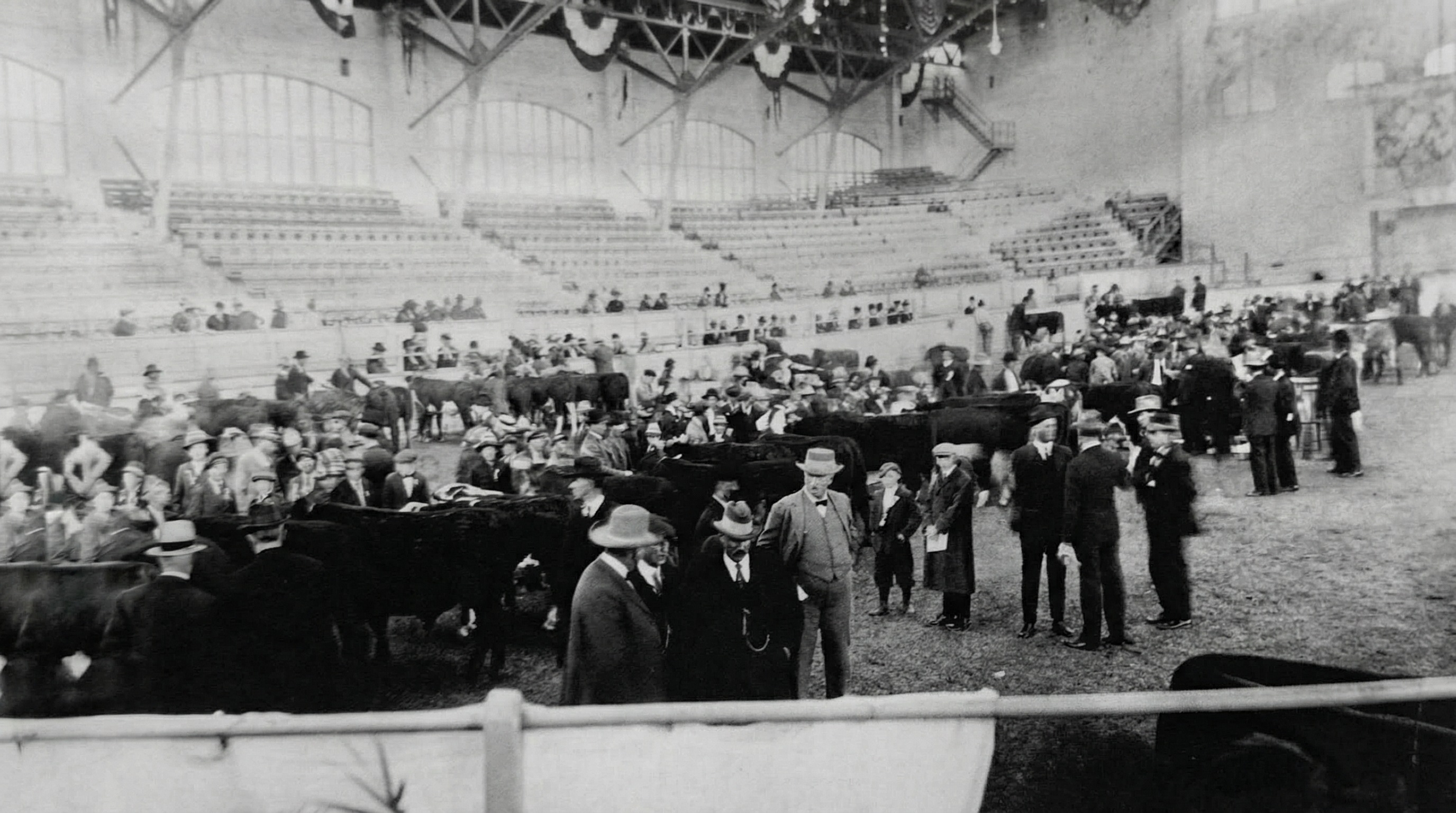
Contrary to the common belief that all cowboys or livestock workers wore white hats, most Shorthorn cattle handlers wore caps. Men took part in Shorthorn judging competitions at the early National Feeders and Breeders shows, which were the forerunner of the present-day Southwestern Exposition and Livestock Show and Rodeo.
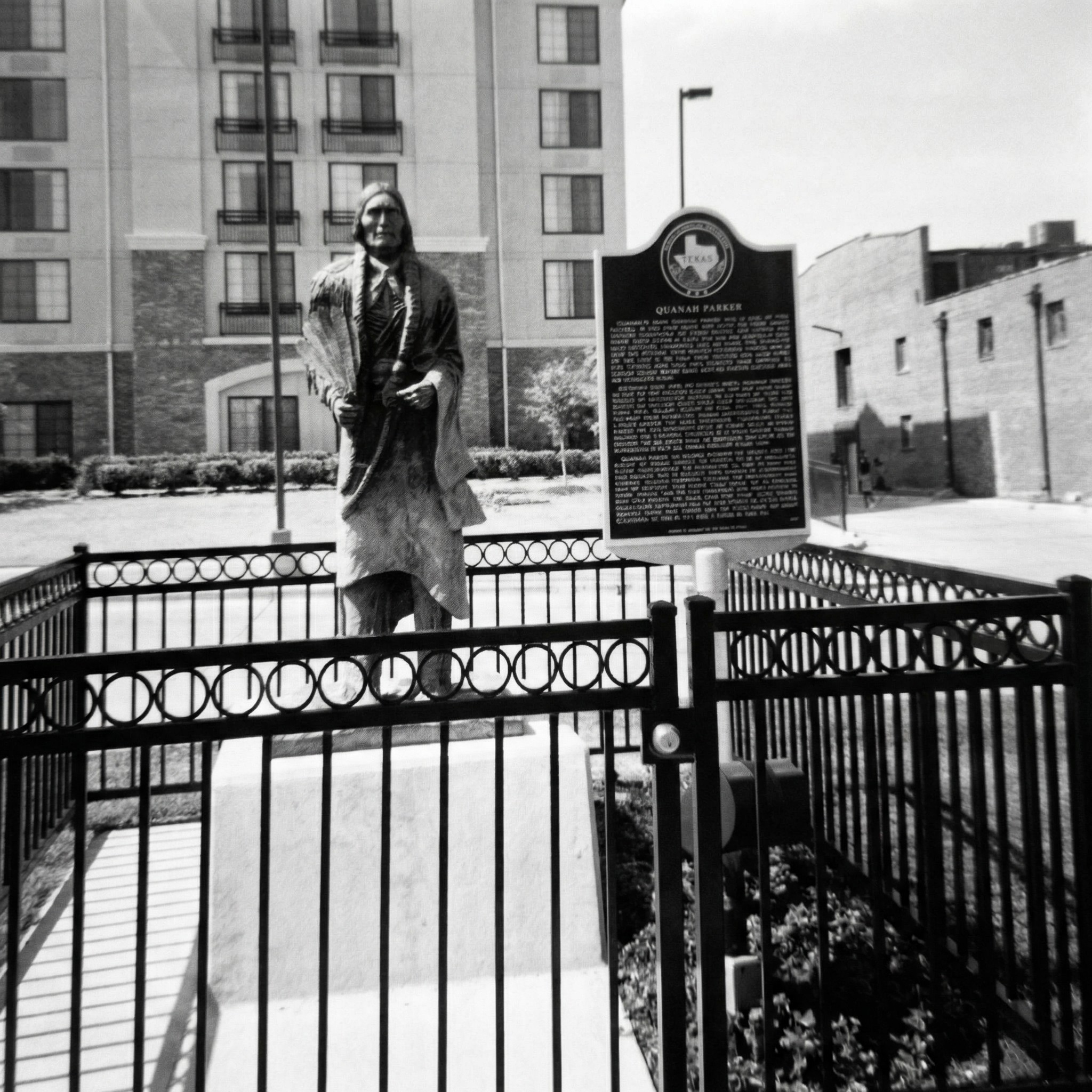
This life-size bronze statue of Quanah Parker, a Comanche chief, stands in front of the Hyatt Regency hotel at the Fort Worth Stockyards. Known as the “last great chief of the Comanches,” Quanah visited Fort Worth to take part in the grand entry at the 1907 National Feeders and Breeders Show.
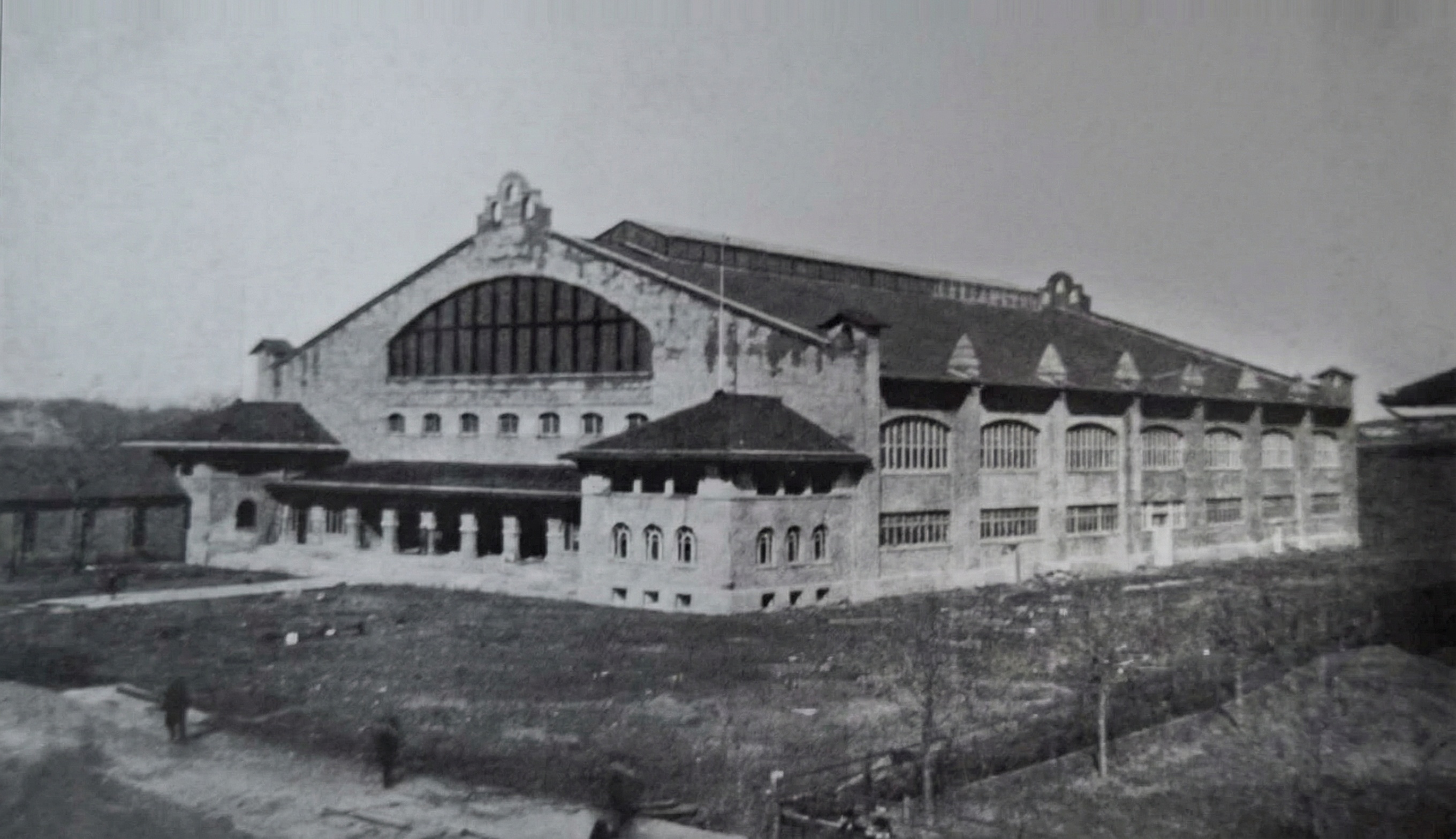
The Coliseum opened in 1908 directly west of the Livestock Exchange Building. Each year, the Coliseum hosted the National Feeders and Breeders Show, which after 1917 was known as the Southwestern Exposition and Fat Stock Show and Rodeo. Stockyards Championship Rodeos—rodeos unrelated to Fort Worth’s annual livestock show—are still held at Cowtown Coliseum every Friday and Saturday night.
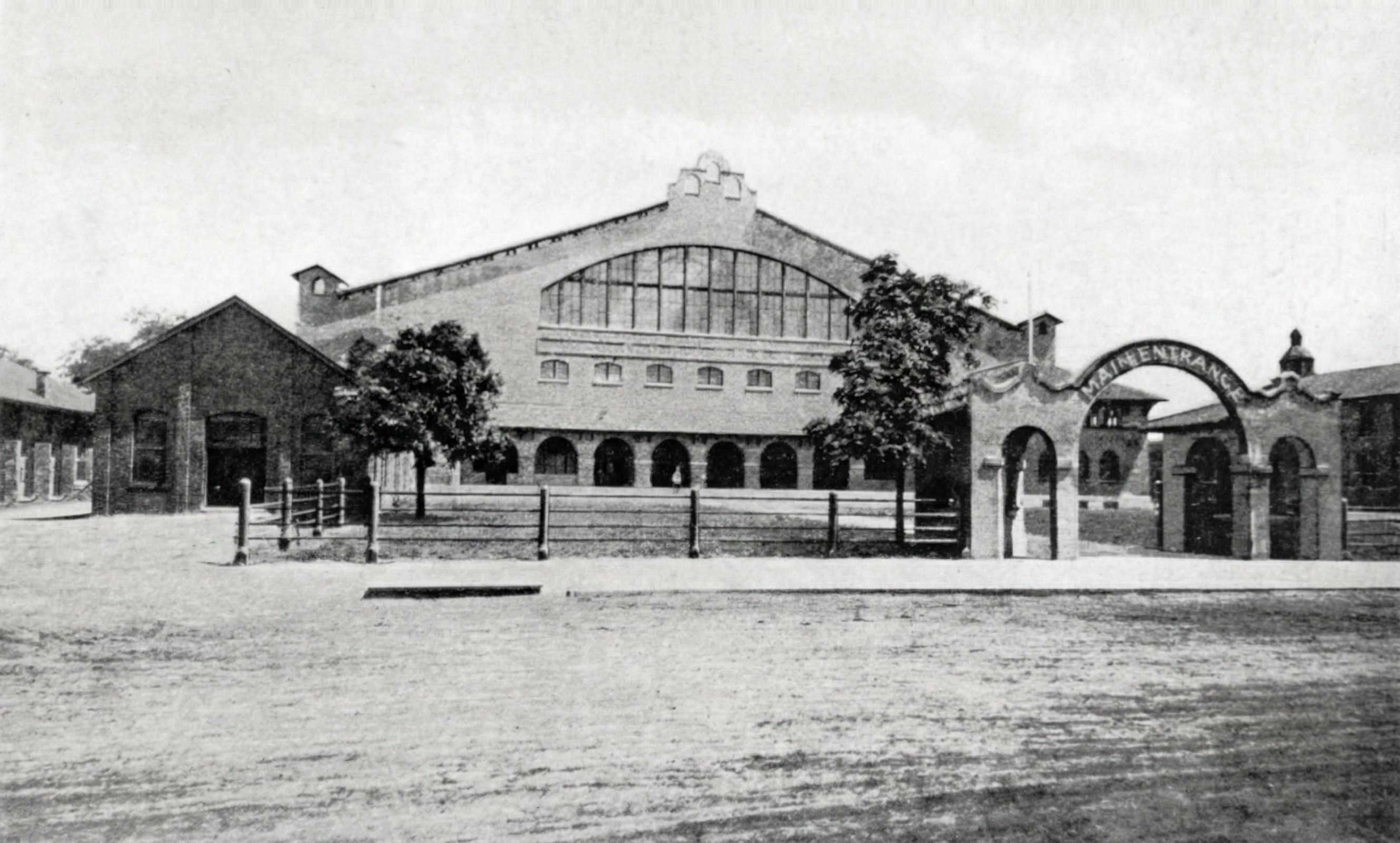
The Fort Worth Stockyards Company built Cowtown Coliseum specifically for the National Feeders and Breeders Show, but the “Main Entrance” arch served as the entrance for all Coliseum functions. This arch no longer exists. The presentation of the colors on horseback at the beginning of the rodeo became an event that provided both pageantry and patriotism. Riders still seek the honor of taking part in this event.
The first cattle judging was held inside the brand-new North Side Coliseum at the 1908 National Feeders and Breeders Show. Few spectators sat in the stands, but a large number of participants and onlookers gathered on the floor. Suits, ties, and elegant hats were common attire for men at the 1908 livestock show. Jeans, colorful shirts, and cowboy hats became standard attire a century later.
In the early days, before additional livestock exhibition facilities were built, some judging competitions, or at least their photography sessions, were held outdoors.
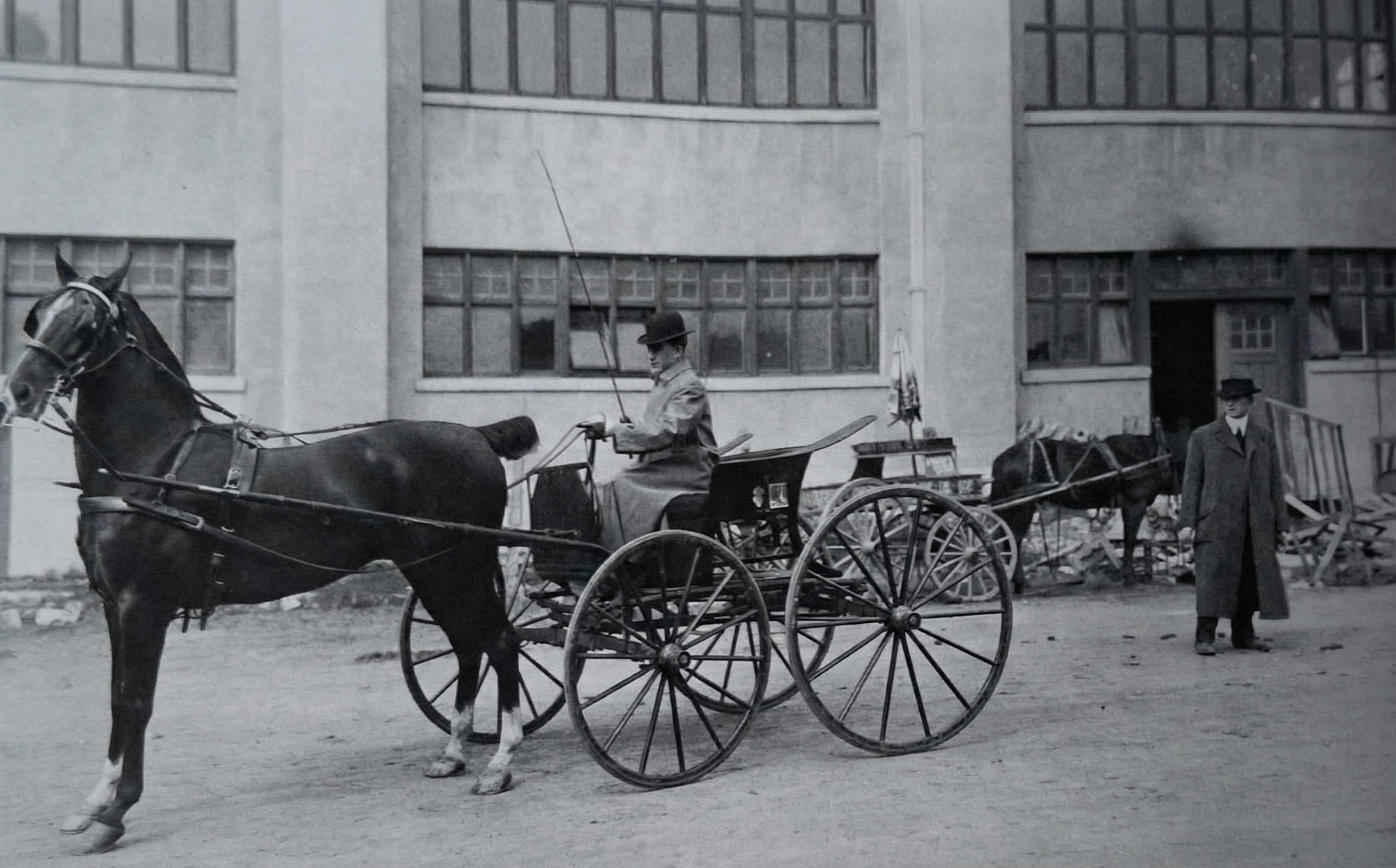
The driver in this photograph presents Louly Hary’s undefeated harness horse in a competition at the livestock show. The building in the background is the North Side Coliseum, viewed from its eastern side. In later years, its name was changed to Cowtown Coliseum. From 1896 to 1942, with the exception of one year, the shows were held at the Fort Worth Stockyards.
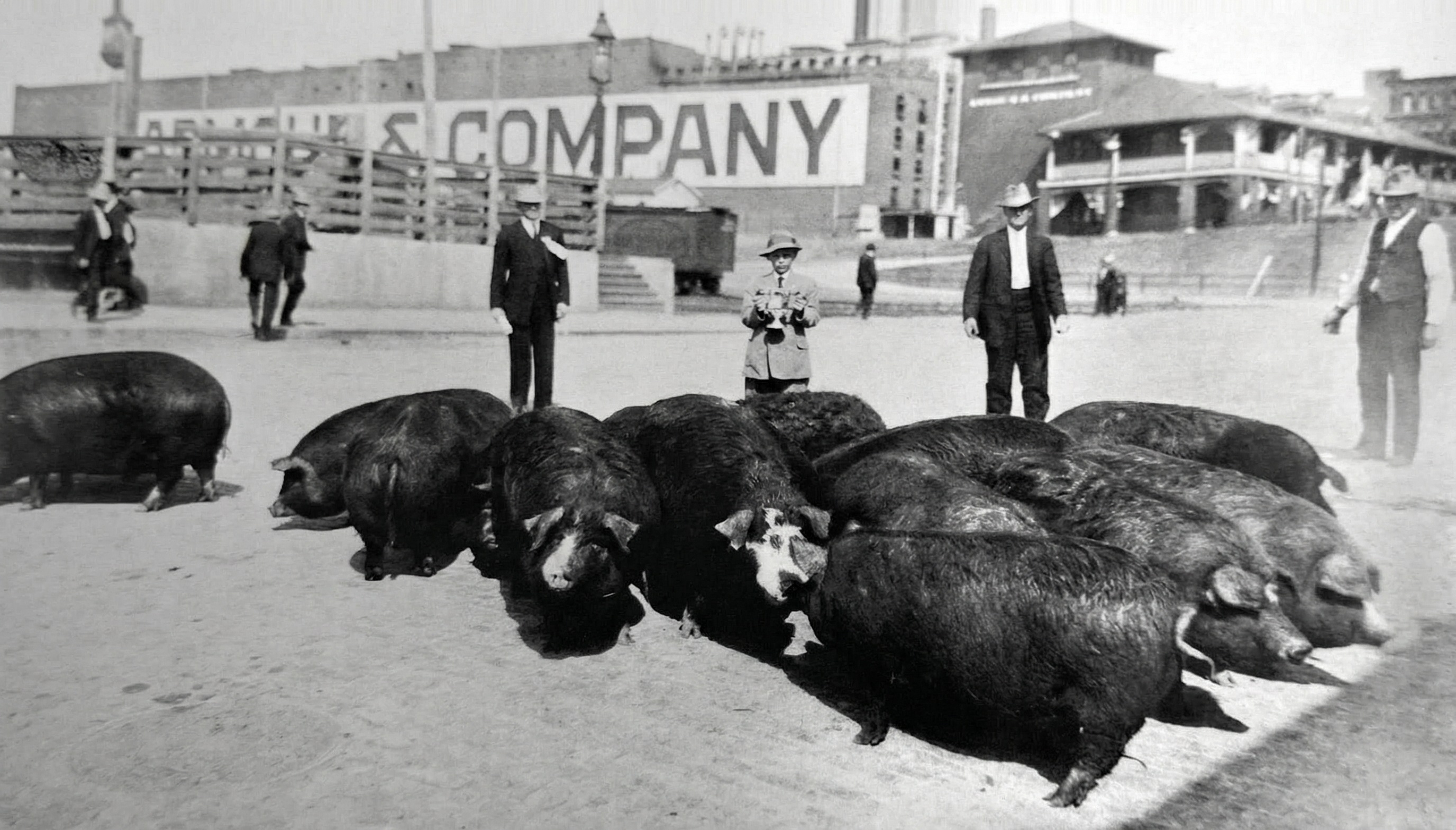
A young man in a light-colored suit holds his winner’s trophy because his litter of pigs won a prize at the livestock show. He may have been a member of one of the pig clubs that stockyards promotional agent Charles C. French established throughout Texas. The two-story building in the background on the right is the Armour and Company office building, which no longer exists.
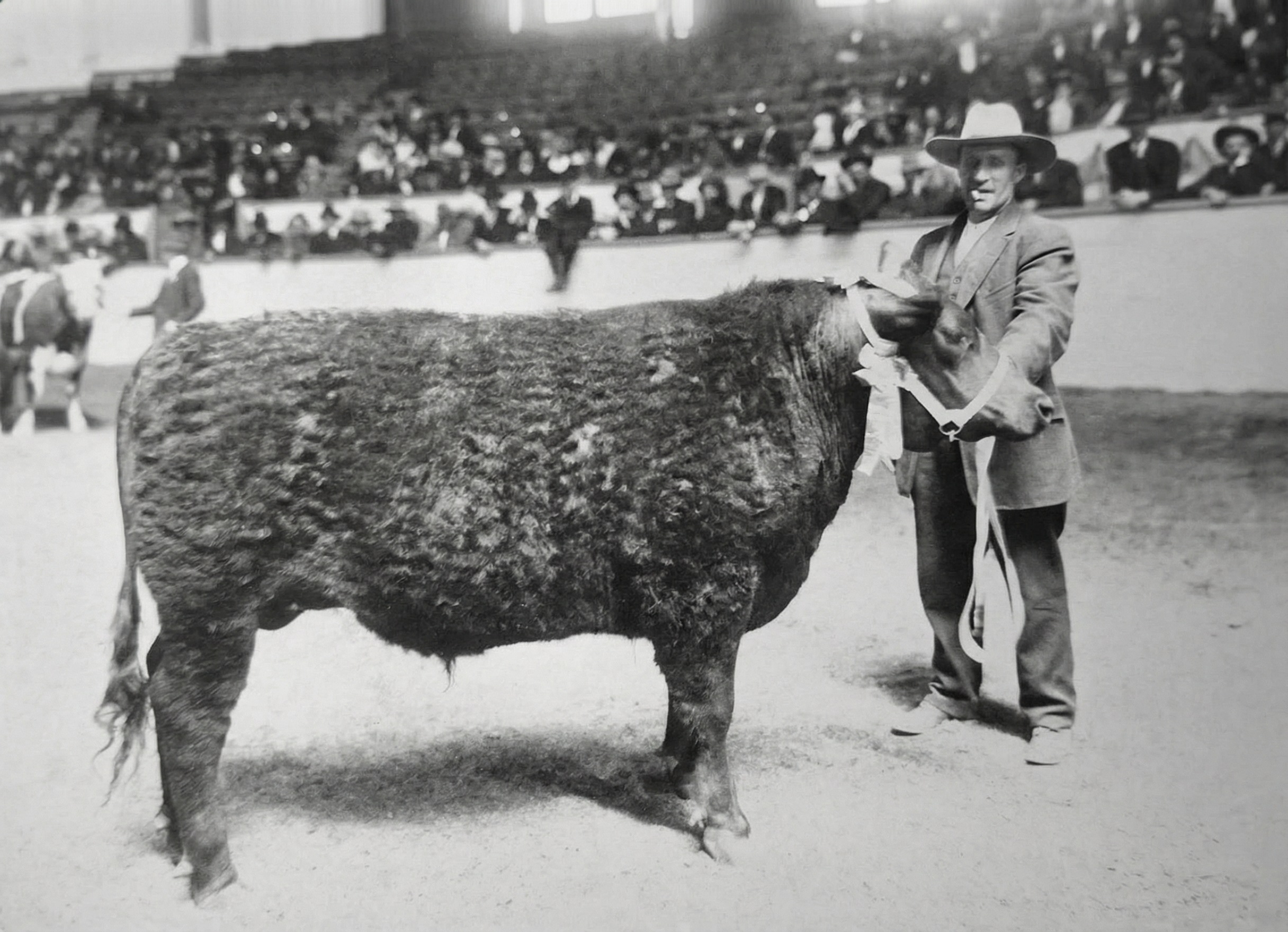
This polled Hereford steer was a winner one year at the livestock show. “Polled” means that the animal has no horns and is considered a separate breed with its own organization and judging. When competitors arrived at the Fort Worth Stockyards for the annual judging, they also visited the carnival attractions located in Mule Alley between the two large horse and mule barns and watched the rodeo in the Coliseum.
...to be continued next time...