The small Fort Worth community of 20 homes and two general stores stood on a rocky bluff overlooking the confluence of two branches of the Trinity River. In the late 1860s and early 1870s, residents welcomed cattle herds traveling north toward markets in Kansas. Local men wanted to establish their own market in Fort Worth, but first they had to attract a railroad, which they succeeded in doing in 1876: it was the Texas and Pacific Railway. This was the first of many new beginnings for the city. Before the cattle market finally found success, however, many failures disappointed Fort Worth's hard-working men.
Several local individuals attempted to establish a meatpacking plant and stockyards in the southern part of downtown. Eventually, locals established two companies north of the city and named them the Fort Worth Union Stock Yards (the word “stockyards” was commonly written as two words at the time) and the Fort Worth Packing Company. In 1893, outside businessmen Louville V. Niles and Greenlief W. Simpson, both meatpackers from Boston, became involved. They, too, struggled because of the nationwide financial turmoil caused by the Panic of 1893. It was not until 1902, when the country's two largest meatpacking firms, Armour and Swift, agreed to purchase two-thirds of the stockyards and the existing packing plant, that the Fort Worth market began to prosper greatly.
Beginning in 1867, cattlemen came north through Fort Worth from as far away as San Antonio to take their cattle, worth $4 a head, to a market where they sold for $40 (approximately CZK 900), via railroads crossing Kansas. The cattle spent the night north of the city in an area that decades later became the site of the Fort Worth Stockyards. Trail Drivers Park was established immediately east of the stockyards to honor the men who drove thousands of cattle along the Chisholm Trail.
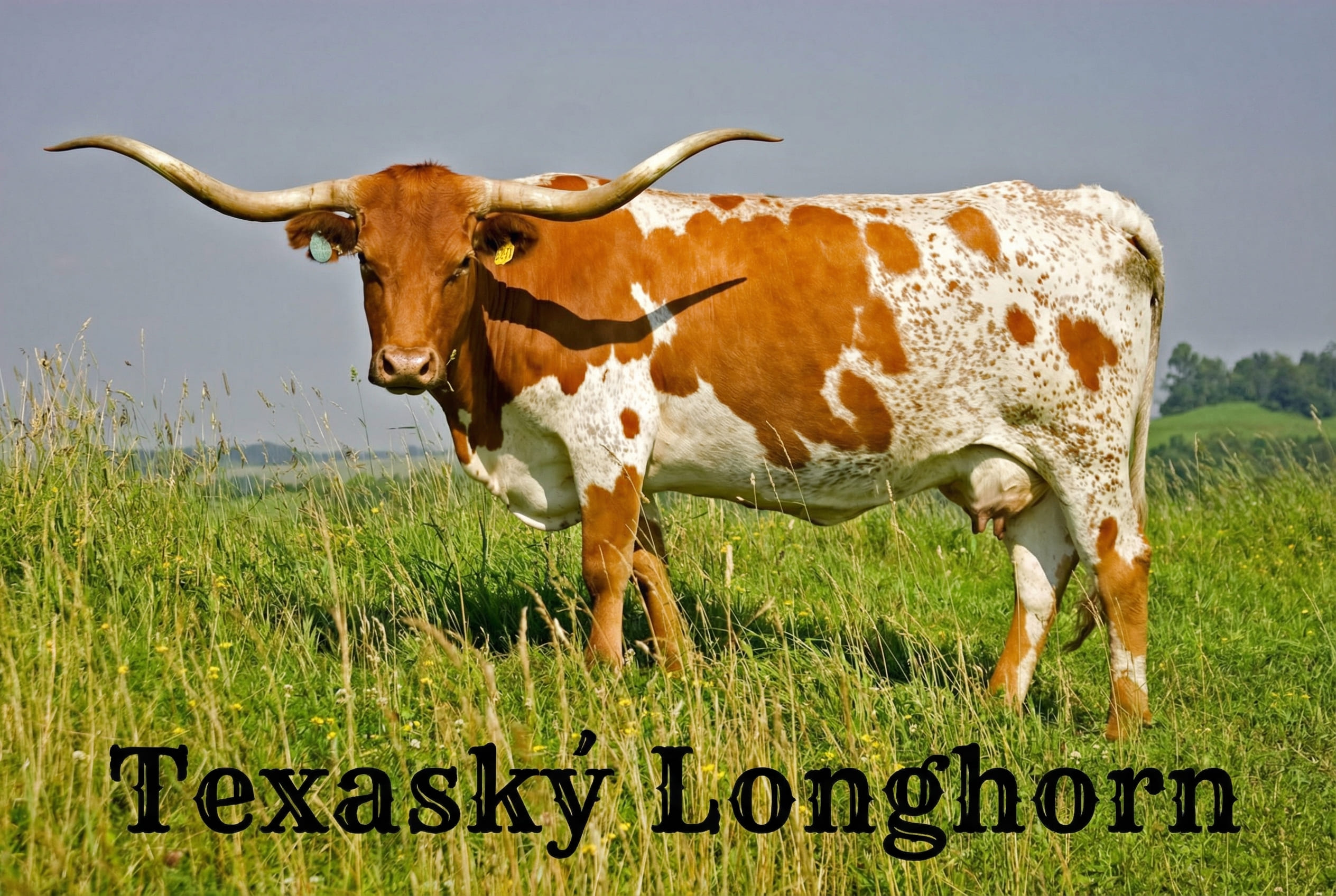
This Texas Longhorn bull, which arrived at the Fort Worth Stockyards in 1907, had horns measuring a total of 7 feet 1 inch (approximately 2.16 meters) from tip to tip. When stockyard workers unloaded the railcars, they often had to help the longhorns turn their heads sideways so their horns would fit through the opening. The sharp tips at the ends of the horns made their work more difficult.
In 1889, Fort Worth businessmen established a company they called the Fort Worth Dressed Meat and Packing Company. They were unable to raise enough money, so the following year, after securing $200,000, they reorganized as the Fort Worth Packing Company. Verner S. Wardlaw came to Fort Worth to oversee the construction of five large stone buildings. The Fort Worth Packing Company opened on November 21, 1890.
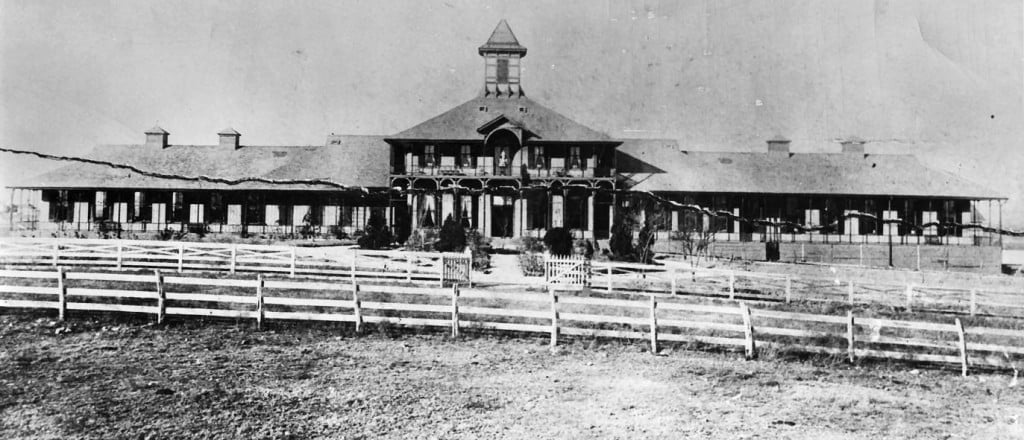
These buildings make up the Fort Worth Packing Company, which opened in 1890 and operated until 1902, when Armour and Swift arrived to build new plants. The brand-new six-story plants were the most modern meatpacking facilities in the United States at the time.
In 1902, the hotel and exchange building was demolished to make way for the large, Spanish-style stucco Livestock Exchange Building, which still stands.