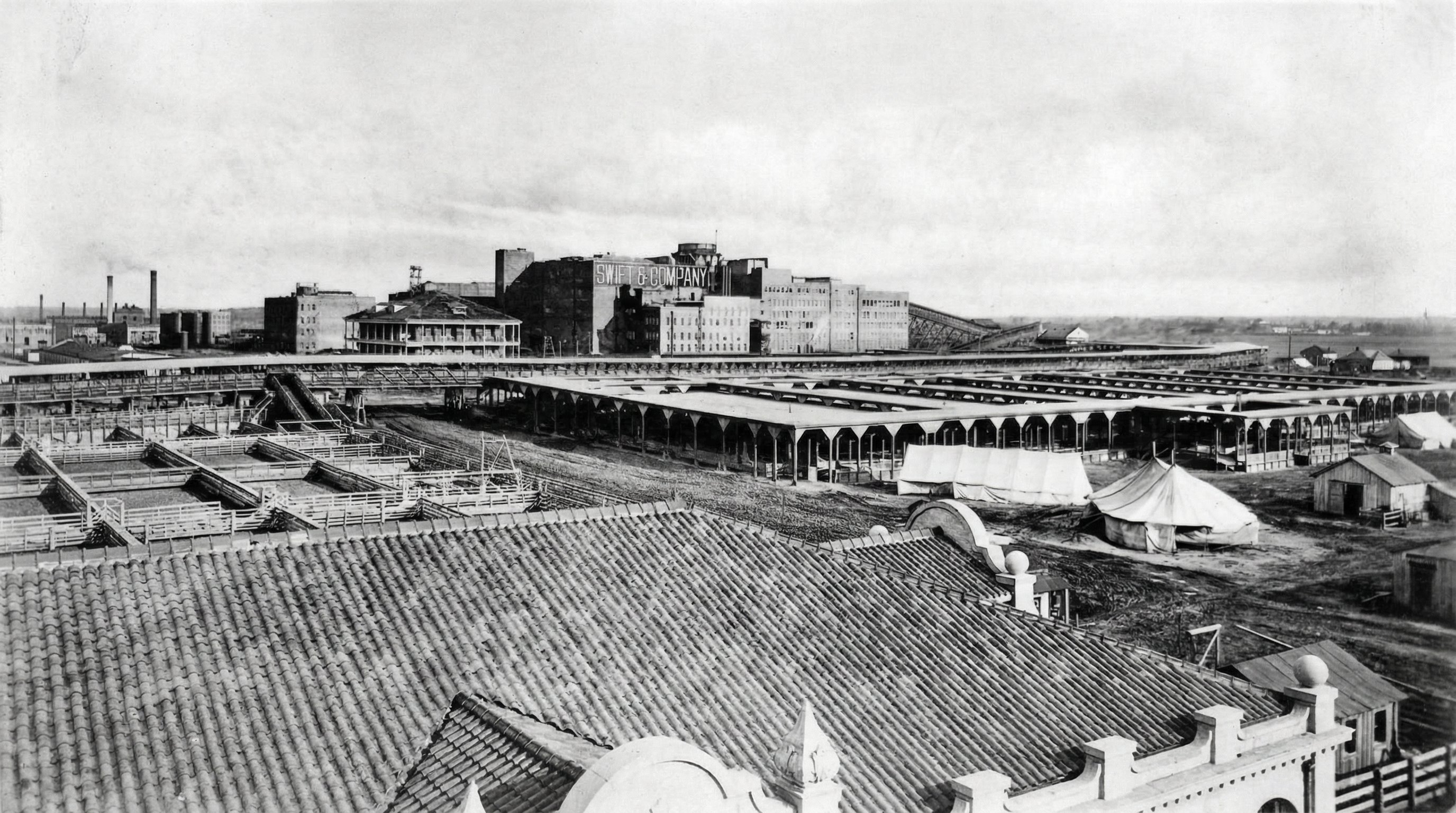
... This photograph (the opening image) of the Swift company buildings was apparently taken by someone looking southeast from the roof of the Livestock Exchange Building. To the left of Swift's two-story administrative and operations complex stands the old Fort Worth Packing Company building, which had not yet been demolished. The covered sheep pens dominate the center of the image. In the 21st century, Stockyards Station occupies the site of these former pens.
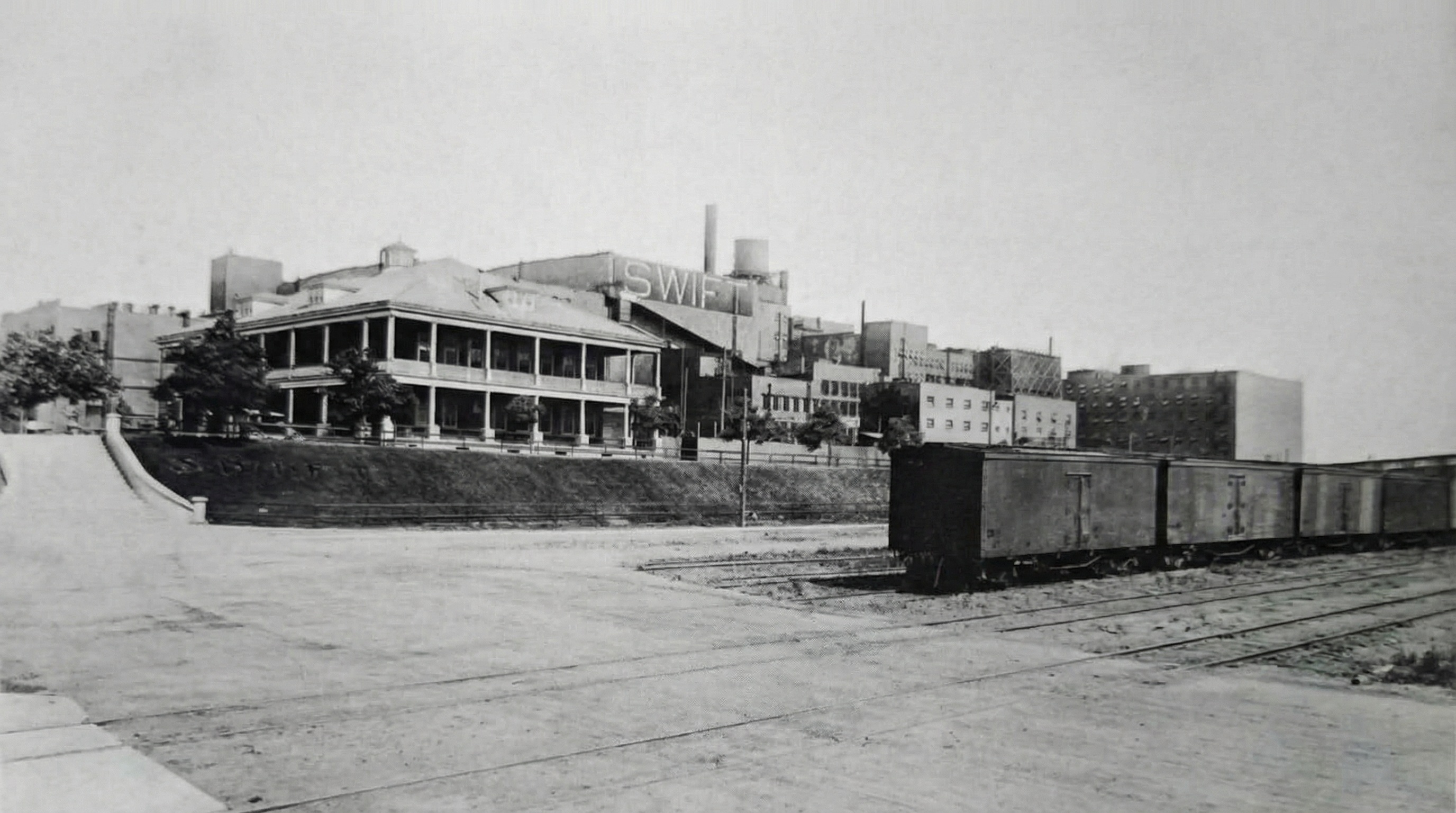
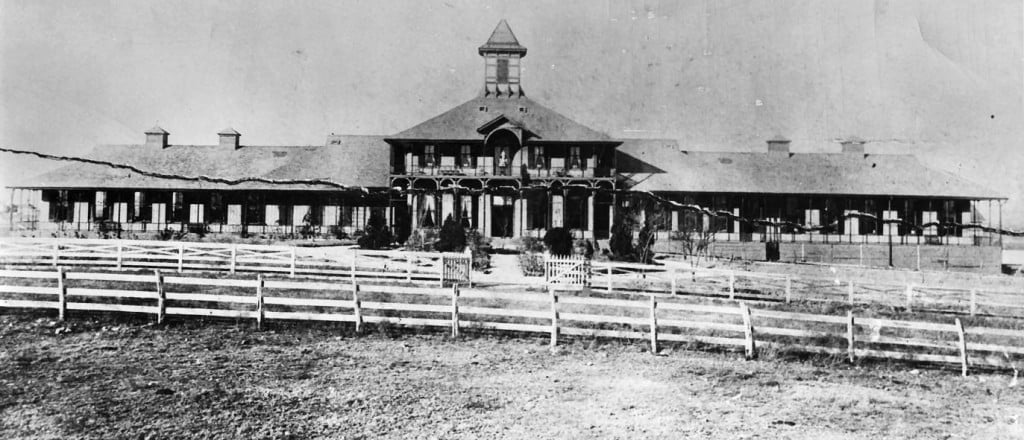
In this detailed view of the Swift complex, you can see the two-story Colonial-style office building with wraparound verandas. Gustavus Swift founded the company in Chicago and pioneered the transportation of slaughtered beef in ice-cooled railroad cars before refrigeration was developed.
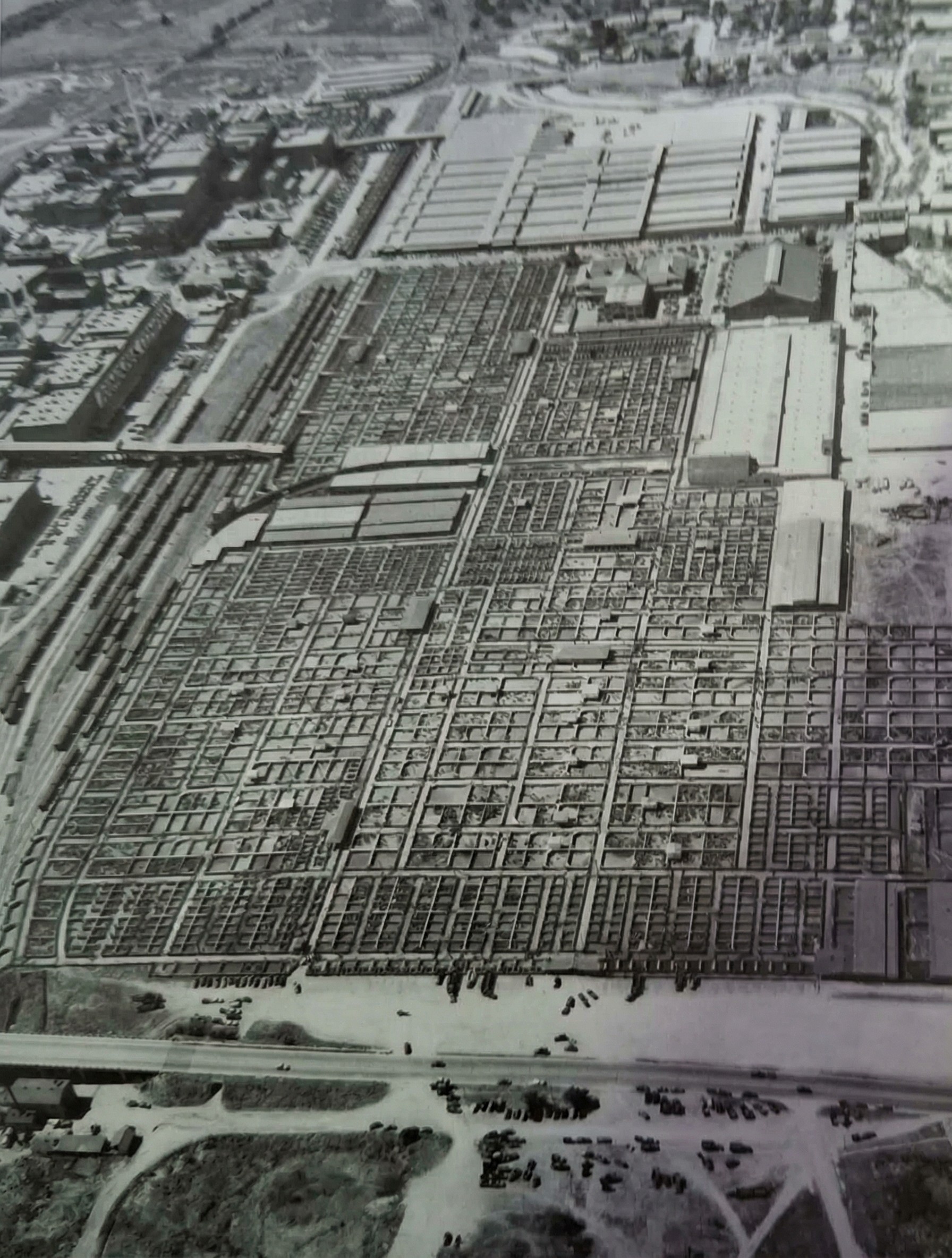
This aerial view of the slaughterhouse was taken on January 4, 1946, looking south from the Twenty-eighth Street viaduct. At the top of the image are covered sheep and hog pens extending toward the Livestock Exchange Building and the coliseum. At the upper left, ramps crossing the railroad tracks connect the cutting facilities to the cattle pens. In later years, the complex expanded so much that the company even built pens north of Twenty-eighth Street.
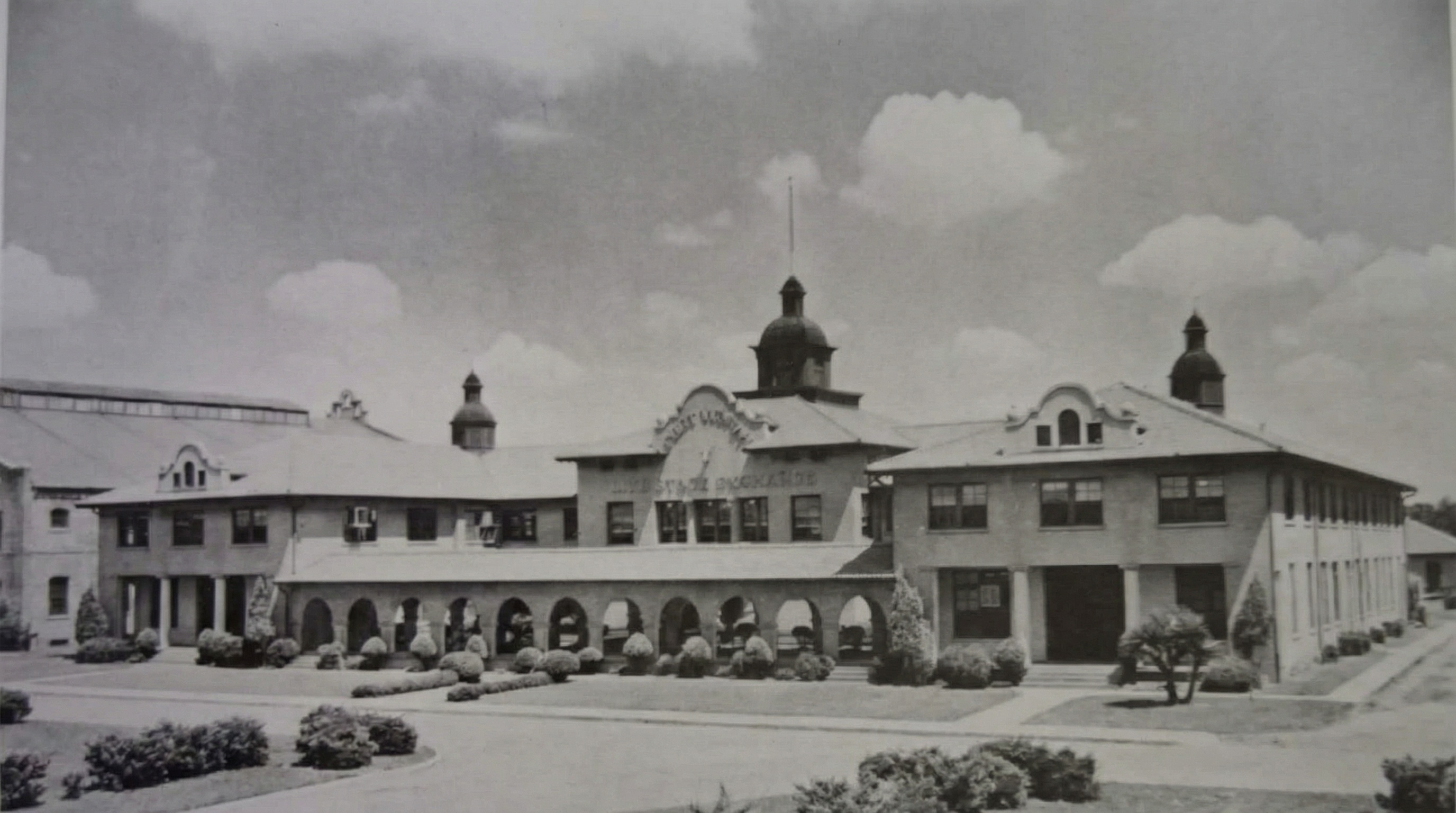
Beautiful landscaping adorned the front lawn of the Live Stock Exchange Building during the first half of the 20th century. In the 1950s, when officials decided the space was needed for parking, they had the entire front lawn removed. When renovations to the building and other improvements began attracting the first tourists in the 1980s, grass, trees, and flowers returned to enhance the building's appeal.
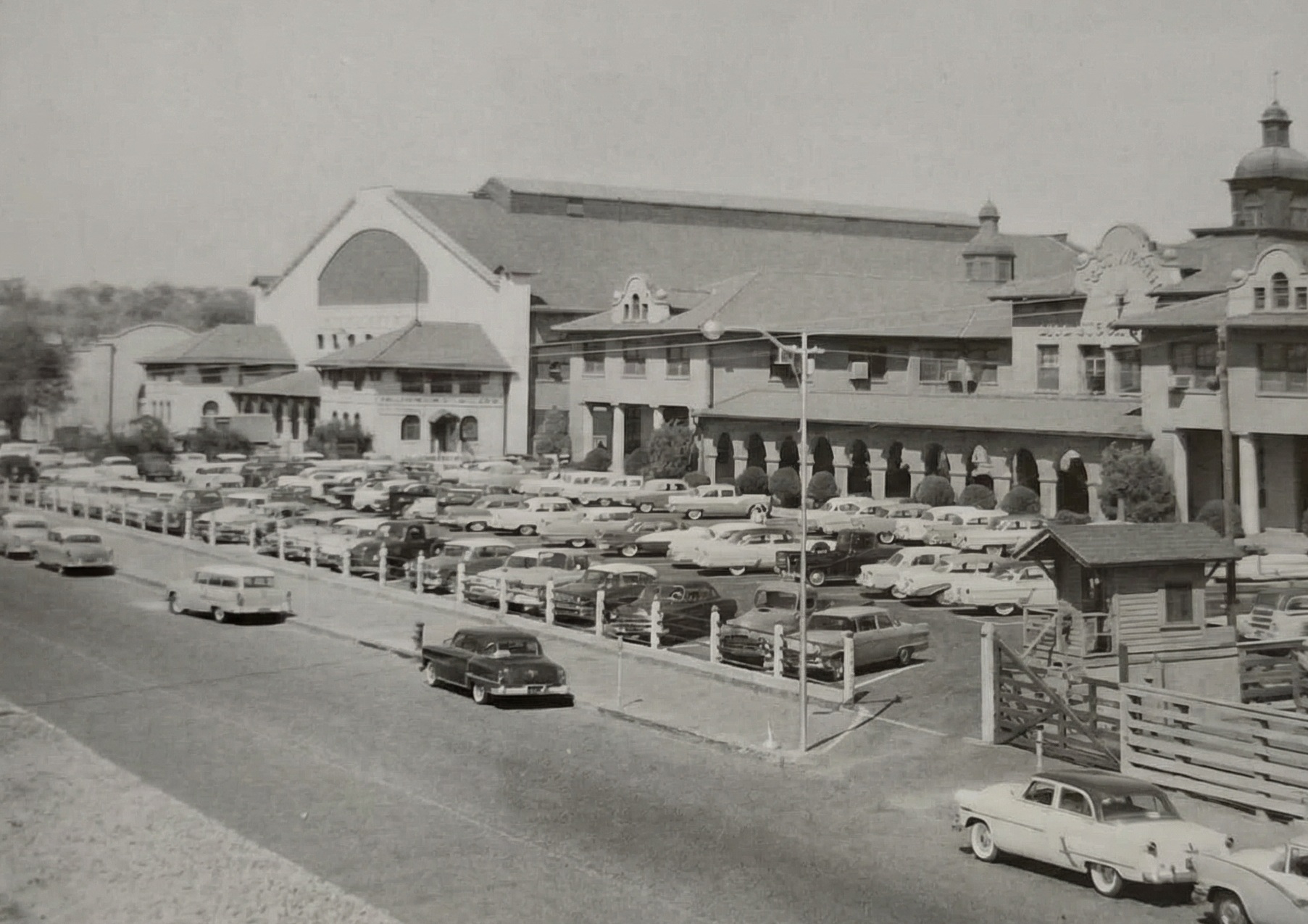
Notice that most of the vehicles in the parking lot are passenger cars rather than pickup trucks. Many of them belonged to commission agents and other employees who had offices in the Exchange Building. Farmers and ranchers brought their animals to unloading areas north of the pens.
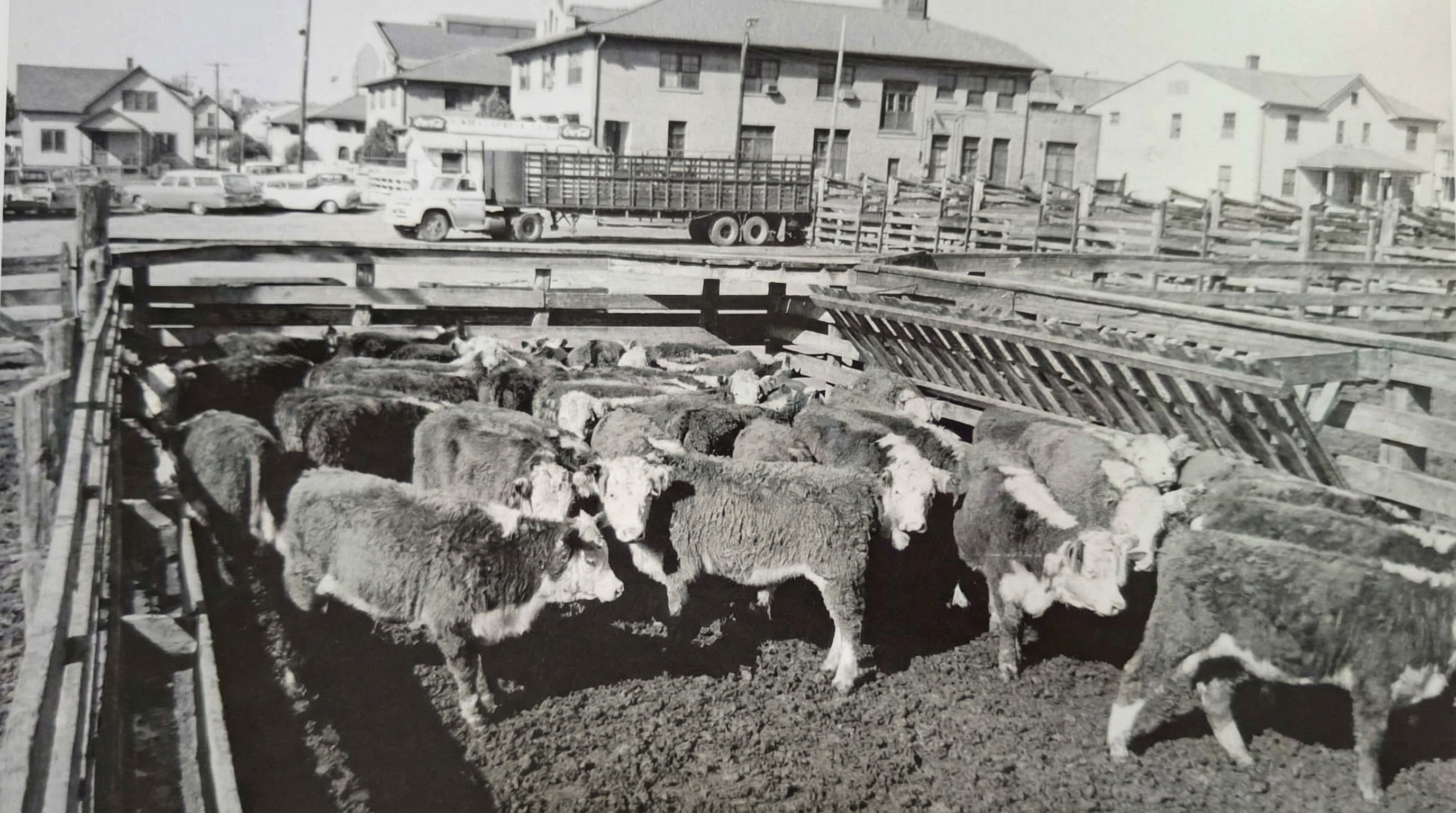
Eighteen-wheel trucks unloaded directly east of the Livestock Exchange Building for many years. The white building in the upper-right corner is the auction arena. It was built in 1960 in an effort to compete with smaller rural auctions that were siphoning off sales. Large slaughterhouses across the country borrowed ideas from one another on how to bolster the declining market, but ultimately failed to reverse the situation.