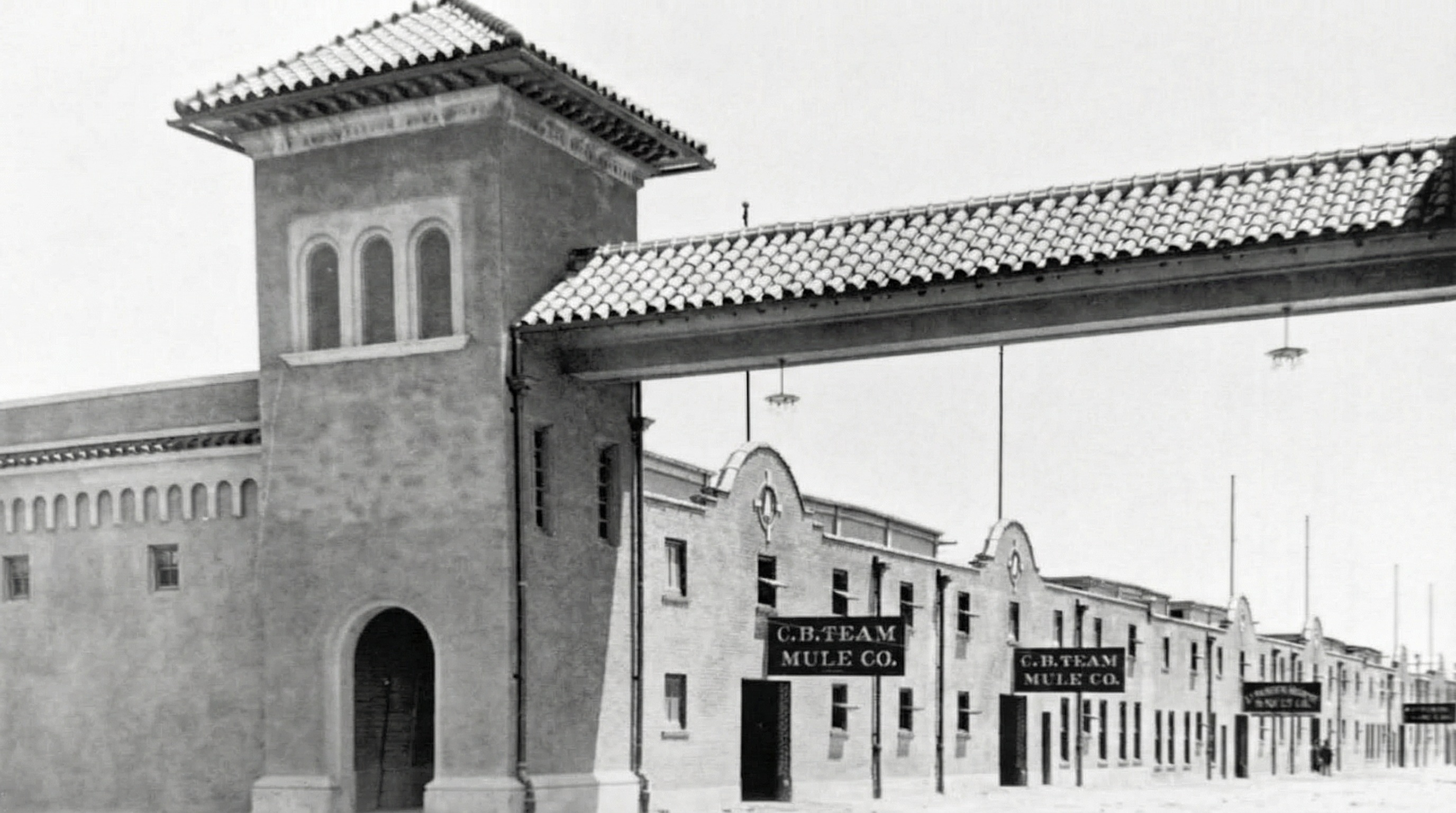
... This large, tower-like entrance leads into Mule Alley—a wide space between two large brick stables for horses and mules (opening photo). When they were built in 1912 to replace the wooden stables that had burned down a year earlier, they featured the most advanced technology of their time. At the slightest sign of smoke, the doors automatically slammed shut to prevent the fire from spreading. The stables still stand on the stockyards grounds.
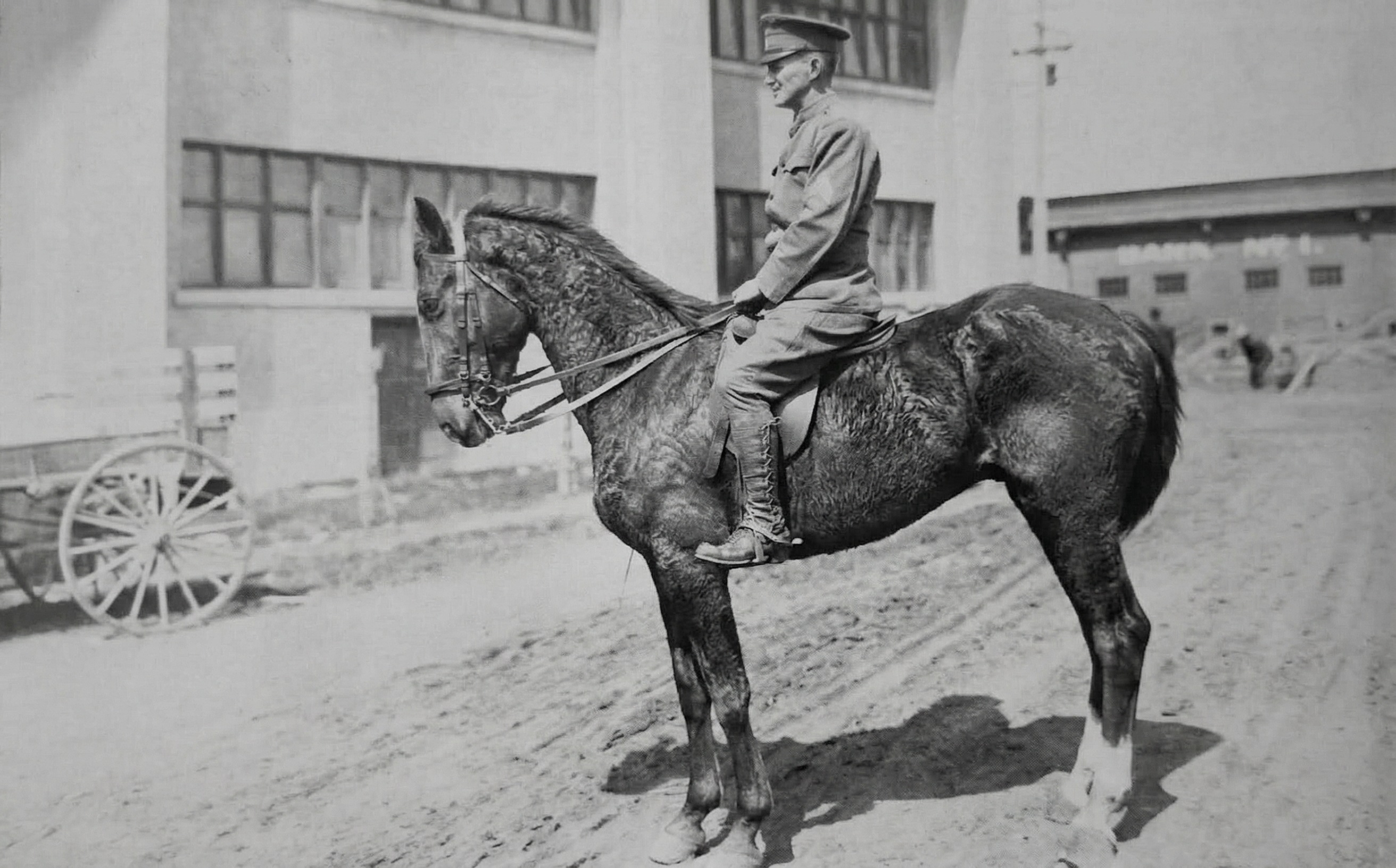
The stockyards supplied the U.S. Army and its cavalry units with horses and mules. During World War I, the local markets supplied so many horses and mules to Europe that in 1915 they became the world's largest market for these animals. However, this photograph dates from before World War I.
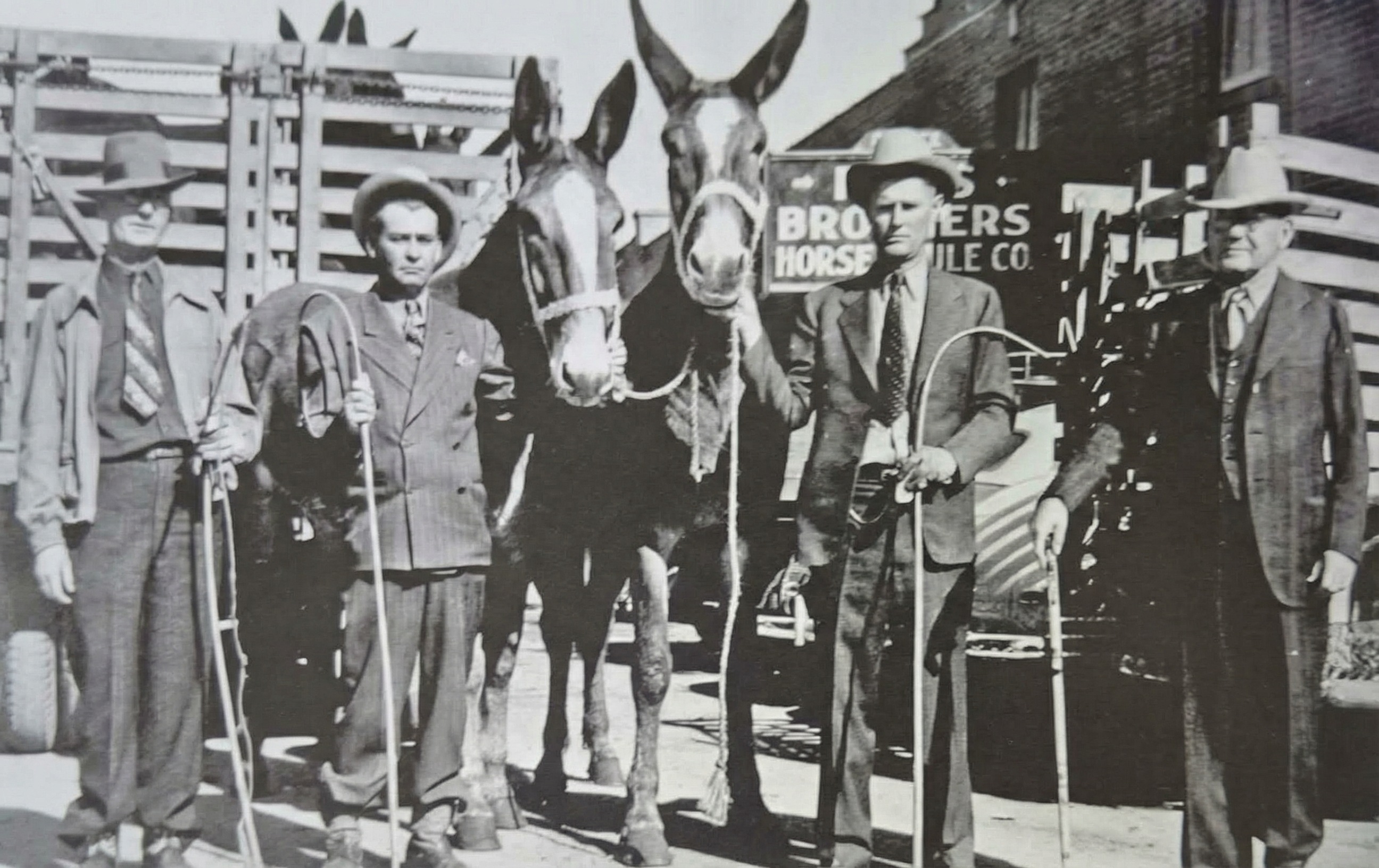
Strange as it may sound, mules were very popular animals more than a century ago. Mule trains transported goods, and mules also served the army well as pack animals. The Fort Worth Stockyards traded in both mules and horses, but cowboys called the space between the two stables "Mule Alley." Commission agents, such as the Ross Brothers Horse and Mule Company shown here, sold animals for a commission.
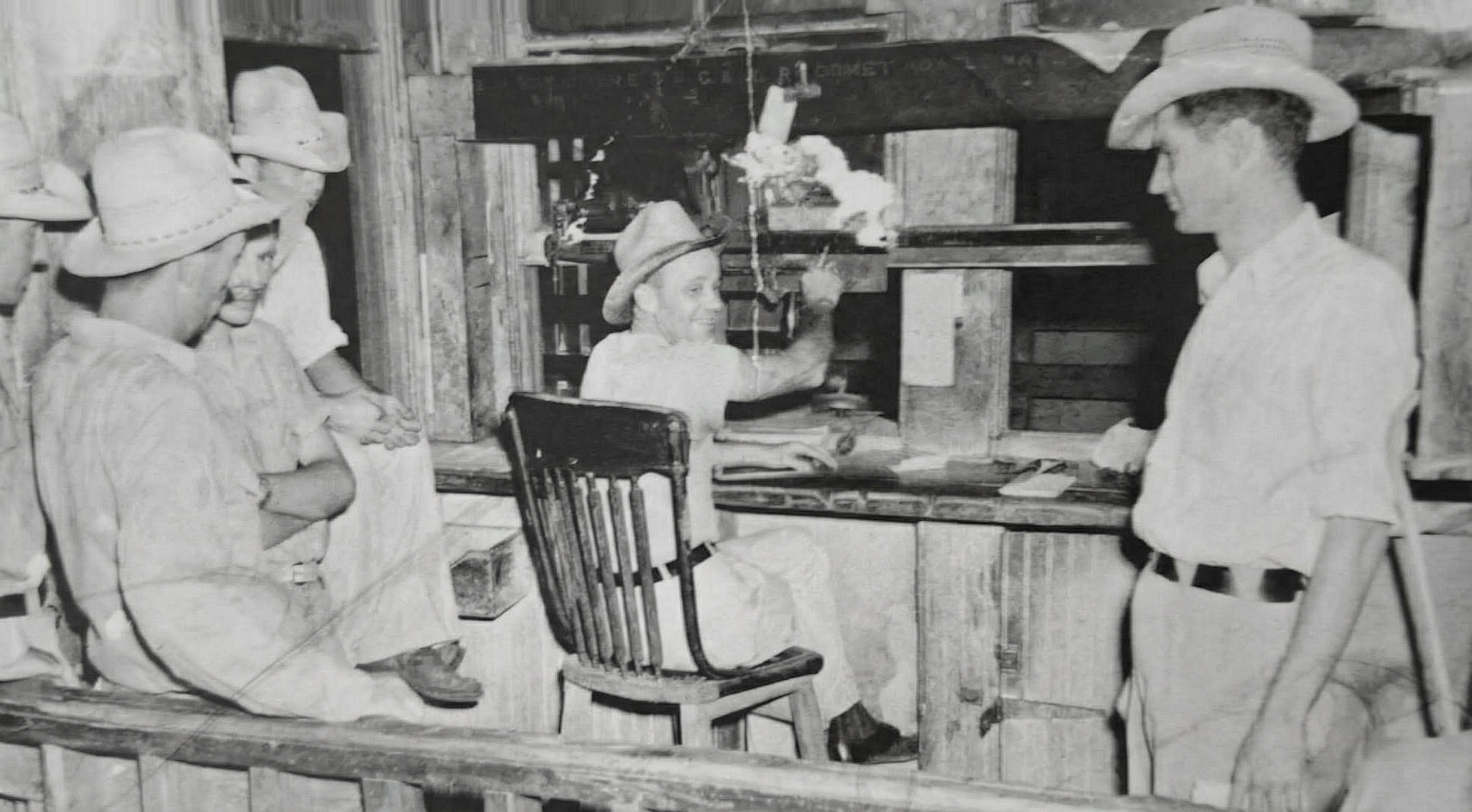
The man seen here sitting by Scale No. 1 is Charlie McCafferty Sr. Several animals, referred to as a group, could be weighed at once—they were driven onto the scale. The commission agent called out the buyer's name and the price per pound, while the weighmaster recorded the information on a weigh ticket, weighed the livestock, and stamped the weight on the ticket. As soon as the animals stepped off the scale, they belonged to the new buyer.
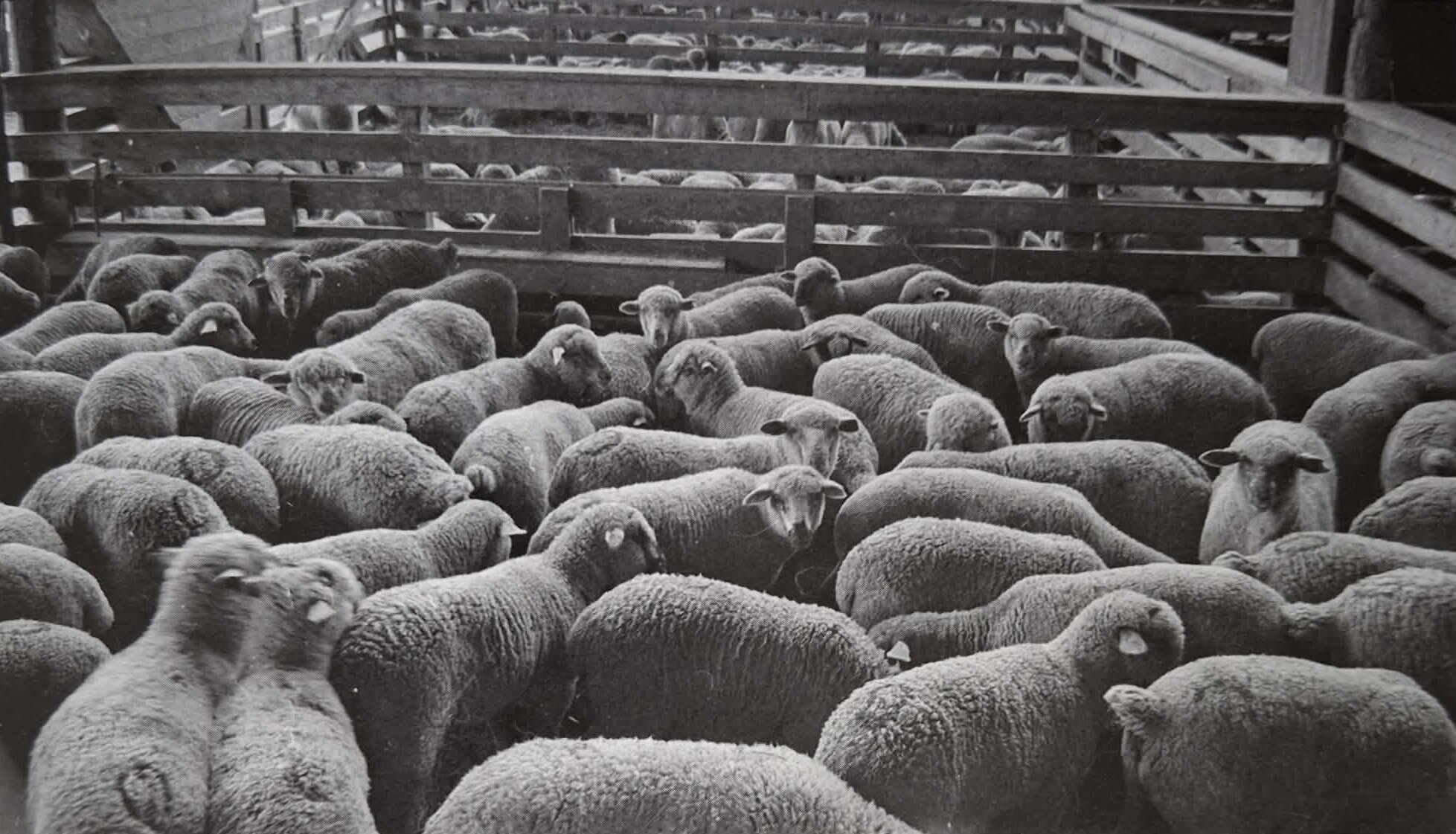
This photograph dates from 1961, when large numbers of sheep were still arriving at the stockyards. Because sheep follow a leader, a goat was used to guide them up the wooden ramp into the packing plant. This animal was therefore called a "Judas goat." In 1944, when more than two million sheep passed through here, the Fort Worth Stockyards reigned as the "world's largest sheep market."
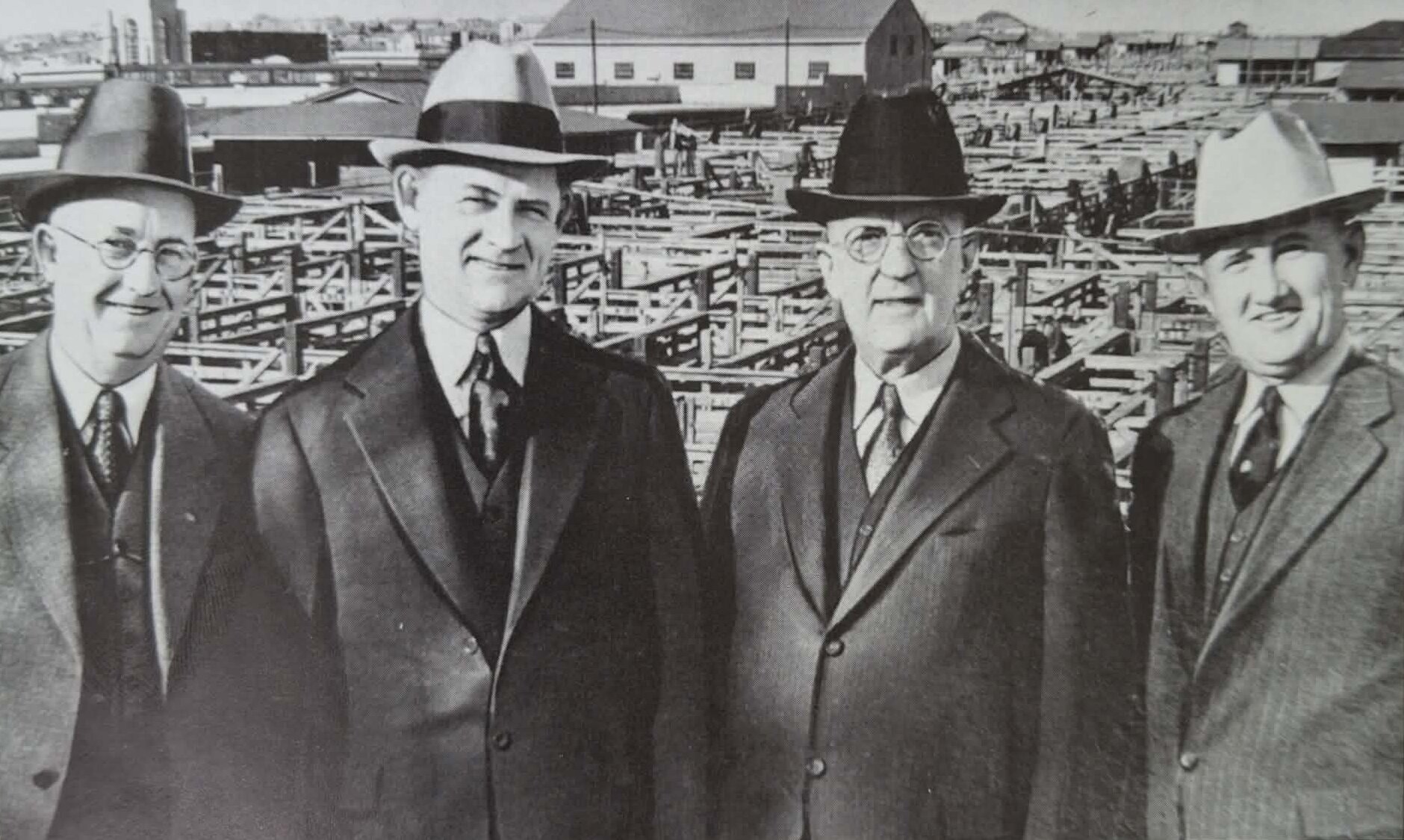
The four head buyers for Swift and Company pose in this photograph from around 1945 in front of full pens at the Fort Worth Stockyards. From left to right are C. L. Hissrich, head calf buyer; Harry Butz, head sheep buyer; Claude Spurlock, head hog buyer; and Roy Weeman, head cattle buyer. Men like these worked their way up within the company and usually remained employed there for 30 to 40 years.
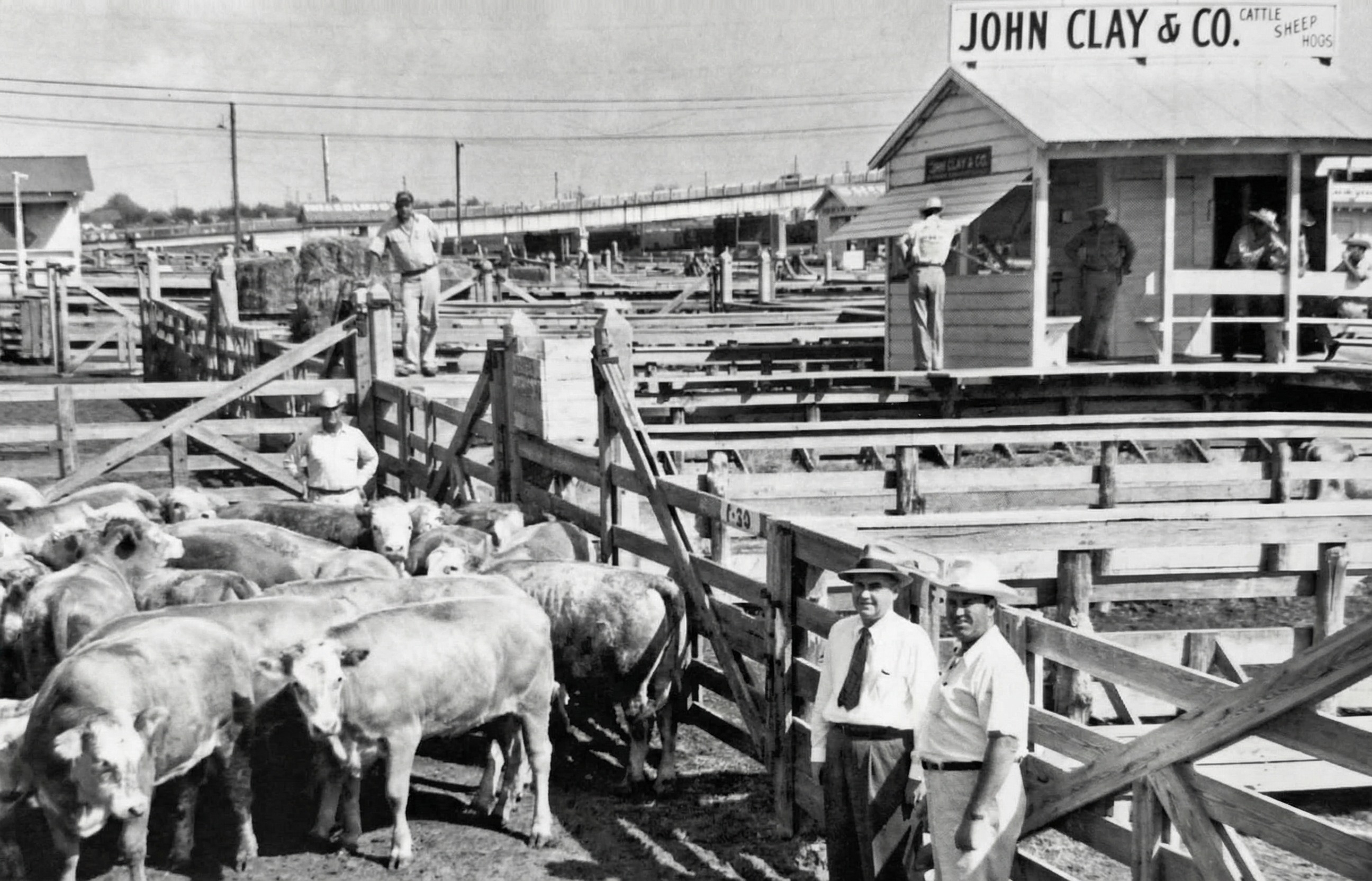
The small building above the pens belongs to John Clay and Company, commission agents for cattle, sheep, and hogs. This commission company, with several branches across the country, was one of the first at the Fort Worth Stockyards. Catwalks allowed workers to move around the pens and to and from these on-site "offices." The man in the foreground on the right is Milt Hogan, head cattle buyer for Armour and Company.
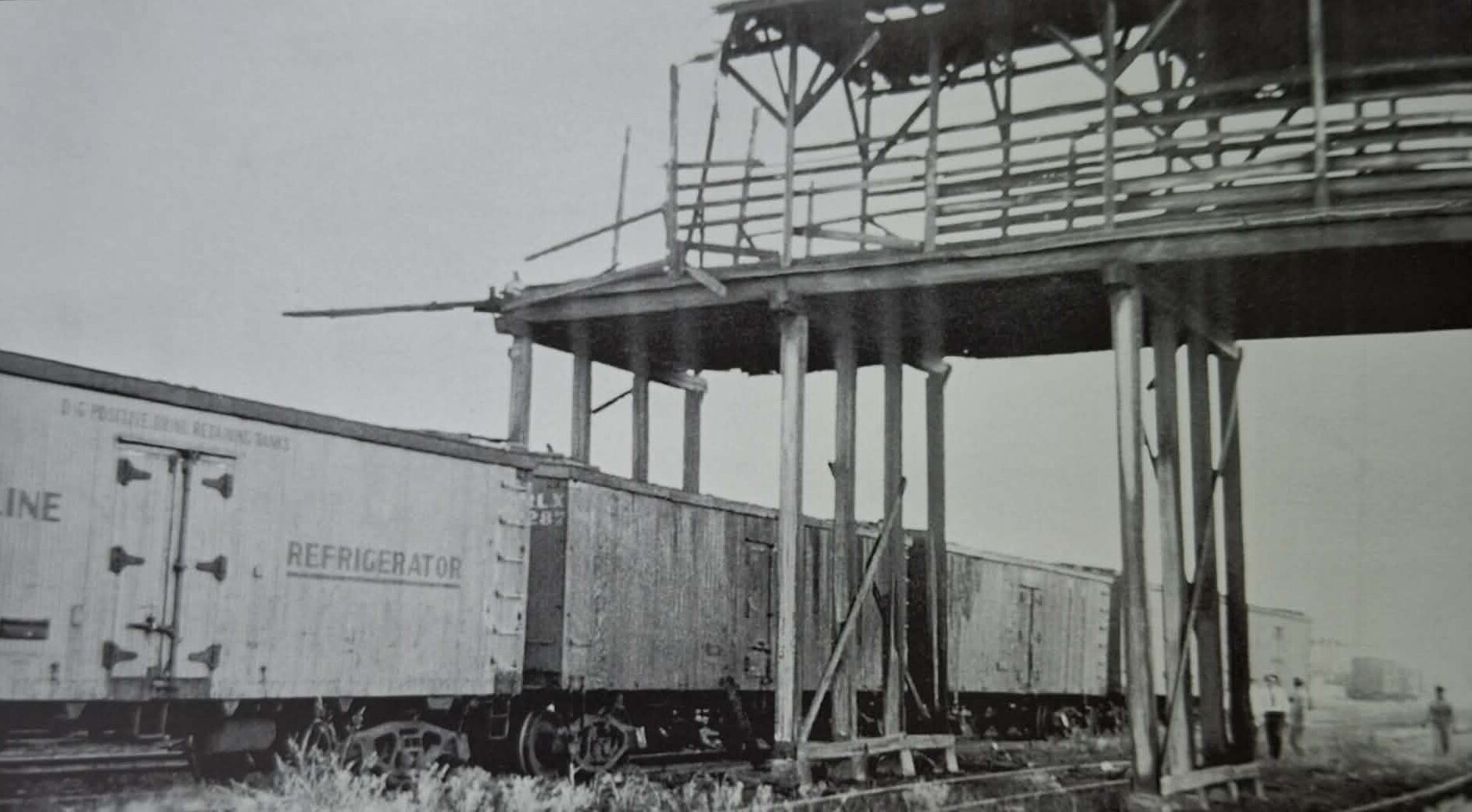
After the stockyards fire on August 21, 1947, Swift's cattle chute was left hanging in the air and had to be rebuilt. Animals destined for slaughter entered through a similar chute on the sixth floor, were killed, and by the time they reached the first floor, they were ready to be shipped by rail.
... to be continued ...