Two dead, six injured, and more than 13,000 messages with ChatGPT. That is the toll of the attack that took place at Florida State University in April 2025 and has now triggered an unprecedented legal offensive by the state of Florida against technology company OpenAI. Florida Attorney General James Uthmeier announced the launch of a criminal investigation and issued a subpoena to the company over ChatGPT.
"If we had a human being on the other end of the screen, we would charge them with murder," Uthmeier said at a press conference in Tampa.
What did the killer discuss with ChatGPT?
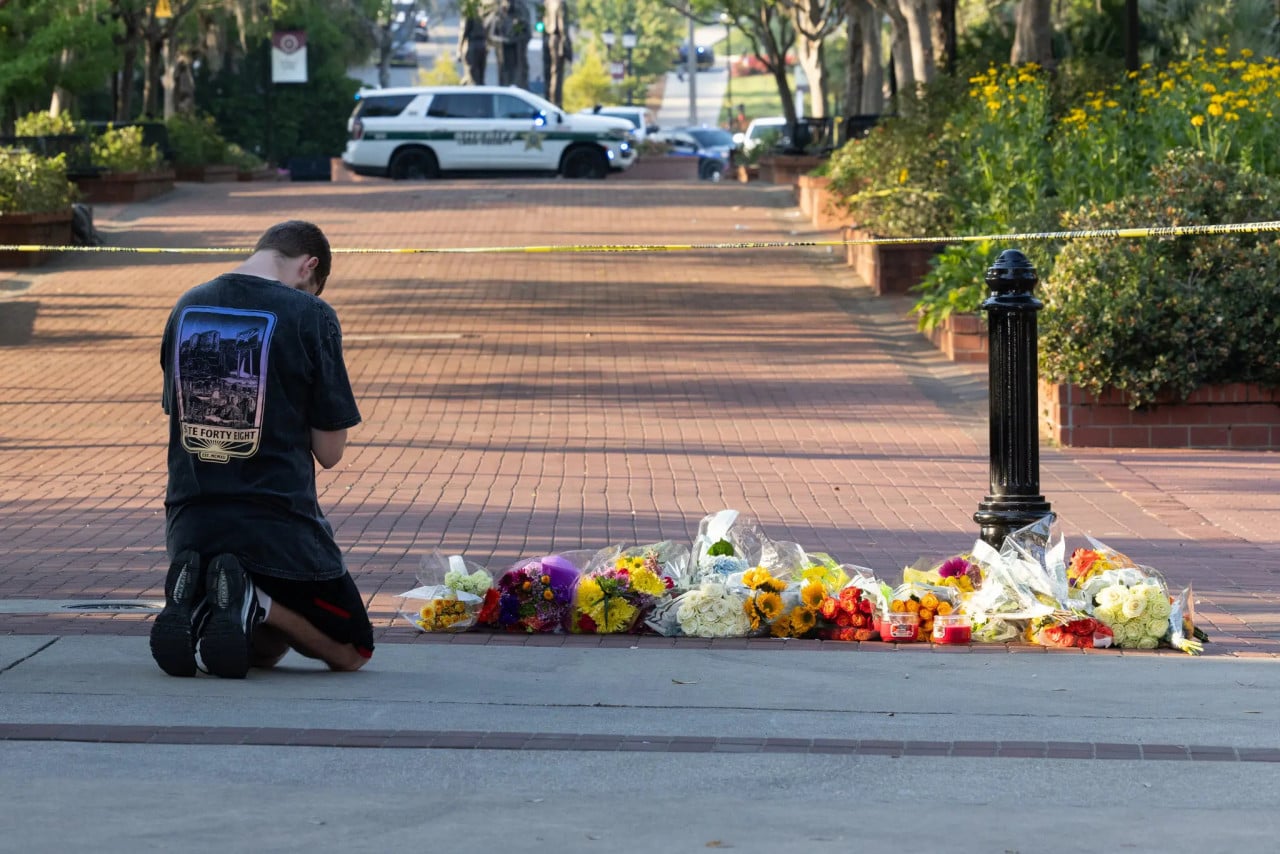
Phoenix Ikner was a 20-year-old student at FSU (Florida State University). On April 17, 2025, he shot and killed two people on the campus in Tallahassee - Robert Morales and Tiru Chabba - and injured five others. During the incident, he was shot by an FSU police officer. Only after the attack did the extent of his detailed interactions with the chatbot come to light.
The records that became public are chilling. Ikner communicated with ChatGPT from March 2024 until the very morning of the attack. In the hours and minutes before the shooting, he asked questions such as: how to disengage the safety on a shotgun, when the campus tends to be busiest, how Florida punishes school shooters, and how many victims are needed for an attack to attract national media attention. In response to the question about media attention, the chatbot said that three or more victims "would almost certainly receive national news coverage."
Ikner also asked: "If I shot people at FSU, how would the entire country react?" And exactly three minutes before the first shot, he was still asking how to disengage the safety on his Remington shotgun. The first shot was fired at 11:57 a.m. Ikner was shot three minutes later. In total, investigators are reviewing more than 13,000 messages between Ikner and the chatbot, spanning more than a year and including conversations about suicide, mass attacks, weapons, and sexual fantasies involving a minor.
What exactly does the prosecutor accuse OpenAI of?
The Florida attorney general did not target only ChatGPT itself; he focused on the entire company and the people behind it.
"We will investigate who knew what, who designed what, and what they should have done," Uthmeier said. Under Florida law, anyone who "aids, abets, or advises" a person in the commission of a crime shares responsibility for that crime. And it is precisely this concept that the attorney general is seeking to use in pursuing the corporation behind the chatbot.
Uthmeier issued two sets of subpoenas. The first demands information about which OpenAI employees were involved in creating its internal safety policies, with the aim of determining "who knew what." The second set of subpoenas directly seeks all data from Ikner's ChatGPT account. The investigation is not limited to the FSU attack. Uthmeier also included within its scope child pornography linked to the chatbot and the encouragement of suicide and self-harm among underage users.
OpenAI responds: "ChatGPT is not responsible for this tragedy"
OpenAI immediately issued a statement. Spokesperson Kate Waters said that "last year's shooting at FSU was a tragedy, but ChatGPT is not responsible for this horrific crime." The company maintains that the chatbot provided only factual answers to questions that a person could have found on the internet and that it neither encouraged nor promoted illegal or harmful behavior.
OpenAI also emphasized that after the attack, it proactively contacted law enforcement authorities and shared information with them about an account it had reason to believe belonged to Ikner. The company says it continues to cooperate with investigators. But Uthmeier is not persuaded. "Just because it is a chatbot and artificial intelligence does not mean there is no criminal liability," he said.
A case without precedent in the US
Uthmeier himself acknowledged that his office is venturing into "uncharted territory." This is indeed the first criminal investigation in history in which OpenAI has been directly targeted by prosecutors in connection with a crime committed by a user of its product. "There is nothing new about holding a corporation criminally liable for its conduct," Uthmeier stressed. But applying this principle to a chatbot that generates text based on user prompts is a different kind of legal challenge.
The family of Robert Morales, one of those killed, intends to file a civil lawsuit against OpenAI. Their attorney, Ryan Hobbs, said that the shooter had been in "constant contact" with ChatGPT and that the chatbot "may have advised the shooter on how to commit these heinous crimes." The lawsuit is expected to be filed soon. Ikner's trial is scheduled for October 2026.
The case came two days after eight children were killed in Louisiana in a shooting carried out by their father, the worst mass attack in the US in the past two years. The American debate over violence, guns, and technology thus took on a new dimension within a single week. Meanwhile, OpenAI is facing similar allegations elsewhere. At the beginning of 2026, an 18-year-old man shot and killed nine people in British Columbia. OpenAI identified and blocked his account but did not inform the police about it. The parents of one of the injured victims filed a lawsuit.
Sources: politico.com and theguardian.com