The FBI has arrested an engineer at OpenAI, the company that developed ChatGPT. According to prosecutors, 35-year-old Saudi citizen Abdulrahman Alfozan concealed a recording device in a conference room where the company's executives met. The Department of Justice said that highly sensitive technical, business, and strategic information was discussed there. The company fired the man, and the investigation is ongoing.
Alfozan joined OpenAI in July 2025 as an engineer on the product team. He graduated from the prestigious MIT and the University of California, Berkeley. A YouTube video a month ago introduced him as the only Saudi working at the company.
He first investigated where executives met
According to the criminal complaint, Alfozan began preparing long before planting the device. Using an internal work tool, he searched for the addresses of company buildings, a list of conference rooms, their capacities, meeting calendars, as well as places frequented by executives and where meetings with business partners took place.
Investigators also obtained queries submitted in September to a chatbot linked to Alfozan's wife's account. Someone asked how to assemble, modify, install, test, and conceal a device that would continuously record audio and could be controlled remotely.
In September, the office camera system captured him near the executive conference room approximately six times, even though he was not authorized to enter it. At the time, the room itself did not have a camera.
The security team found the bug during a routine inspection
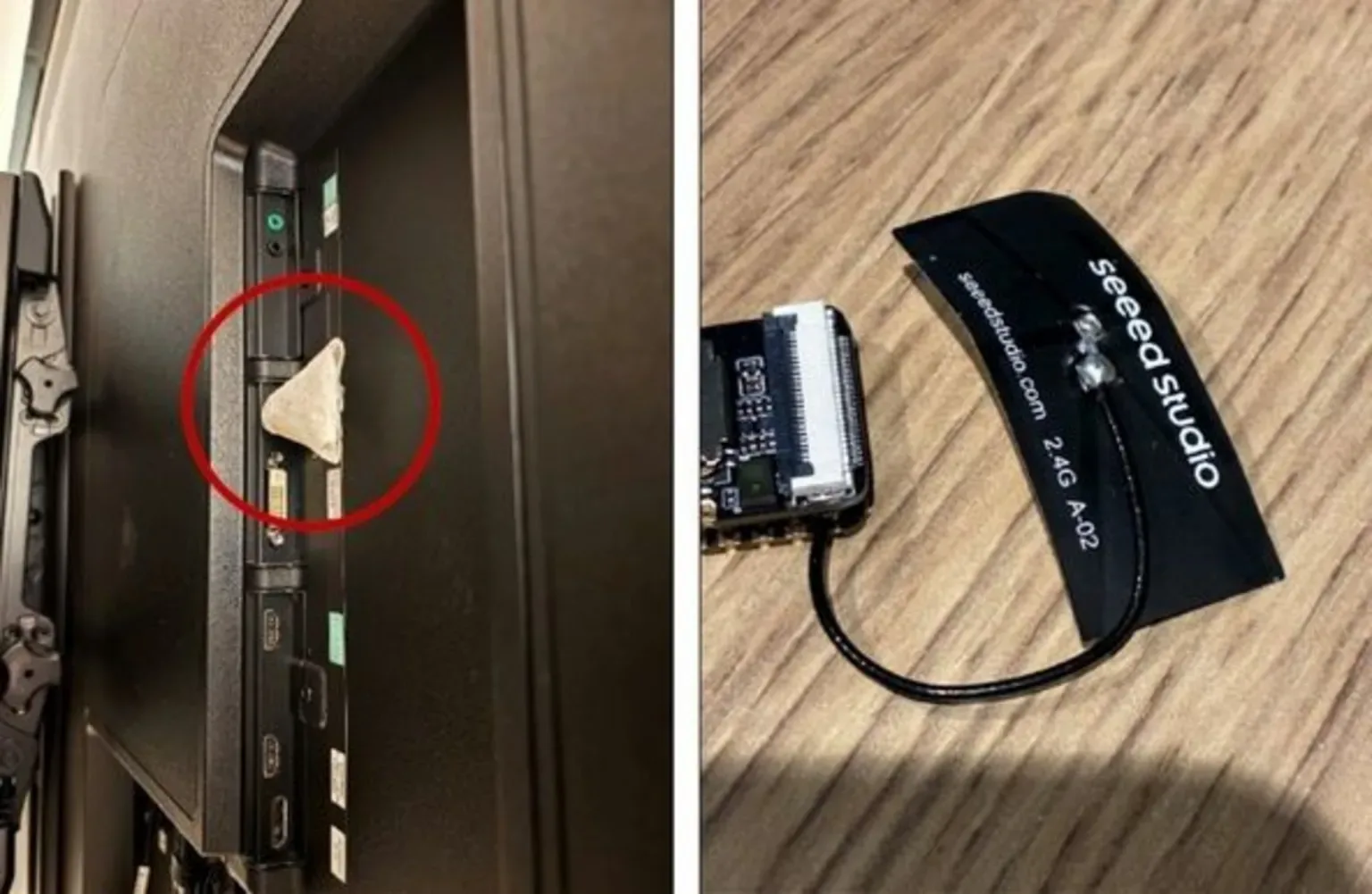
The device was discovered on September 30 by OpenAI's team responsible for counter-surveillance and routine office inspections. In the conference room, the team found a small device inserted into a USB port on the back of a television. Someone had wrapped it in toilet paper to conceal it. The company later determined that it had been there for approximately two days.
It was not a cheap toy. According to OpenAI, the device recorded audio, encrypted the content, and used a data transmission method that bypassed the company's network monitoring. The company described it as sophisticated.
OpenAI deployed its own artificial intelligence models in the investigation. With their help, it identified the type and origin of the device and tracked down the employee who had placed it in the room a few days earlier. It then turned the entire matter over to the FBI.
A camera captured him checking the television
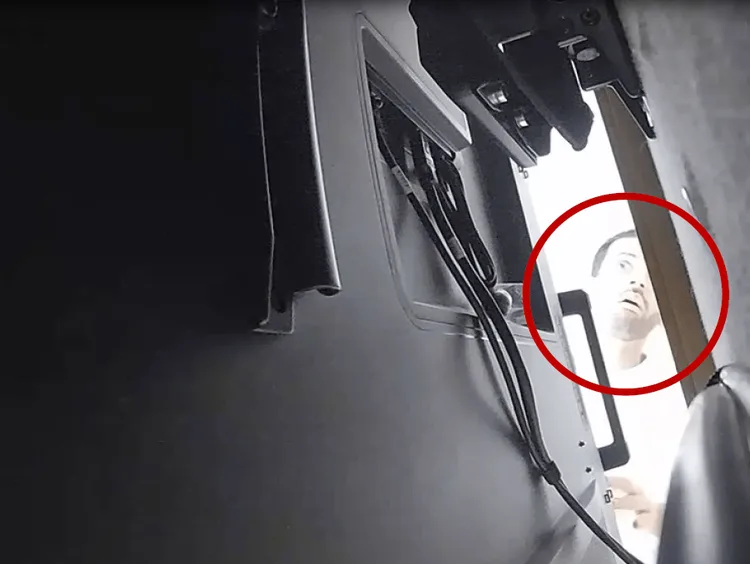
After the discovery, the company installed a hidden camera in the conference room. On October 5, it recorded Alfozan entering the room and looking behind the television, exactly where the device had previously been located.
Later that same day, the man left a backpack unattended in another room in the building. Security personnel opened it and found his wallet, identification card, and another recording device very similar to the one from the conference room. OpenAI says it has evidence of his plan to place similar bugs elsewhere in the offices.
Arrest and termination
The FBI arrested Alfozan on Friday, October 9, approximately a week and a half after the device was discovered. OpenAI fired him that same day. The company deliberately coordinated the timing of his termination with the FBI's actions to avoid disrupting the investigation.
On Tuesday, October 13, the man made his first appearance in federal court in San Francisco. He is charged with using or attempting to use an electronic device to intercept oral communications. Although the criminal complaint does not name the company, OpenAI confirmed everything in its own statement on X. FBI Director Kash Patel also announced the arrest on the same platform.
Alfozan remains in federal custody. It is unclear whether he has legal counsel who could speak on his behalf. Media outlets requested comment from him, but he has not yet responded.
The most valuable data remained secure
OpenAI emphasized that it has no indication the man accessed model weights—what the artificial intelligence learned during training—or source code or customer data. The company thanked the agents and prosecutors for their swift action and pledged its continued cooperation.
Authorities have not yet disclosed why or for whom Alfozan was allegedly recording executive meetings. The case comes at a time when the United States and China are competing for leadership in artificial intelligence and American technology companies are guarding their secrets more closely than ever.
He faces up to five years
If convicted, Alfozan faces up to five years in prison, a fine of up to a quarter of a million dollars, and three years of supervised release. In addition to his work at OpenAI, he served as a partner at the investment firm RAED Ventures and as one of the first engineers at the technology company Nash.
Sources: nytimes.com, bbc.com, and fortune.com