
Anthropic, the company behind the Claude AI model, has introduced new weekly usage limits affecting subscribers to the Pro and Max plans. These changes arrived alongside the release of Claude 4.5 and sparked a strong response among users. According to official announcements and discussions, the limits took effect on August 28, 2025, and supplement the existing five-hour rolling limits. The goal is to curb excessive usage, particularly by those who run the Claude Code tool continuously or violate account policies, such as by sharing or reselling access.
Users paying for premium plans report that their quotas are being exhausted much faster than before. For example, subscribers to the Max 20x plan, who pay $200 per month (approximately CZK 4,600), describe reaching the limit for the Opus model after just six hours of work. This is a major difference compared with previous weeks, when they did not even come close to the limits despite working intensively every day.
Details of the New Weekly Limits
The limits vary by subscription type and model. For the Pro plan, which costs $17 to $20 per month (approximately CZK 390 to 460), the weekly limit for the Sonnet 4 model is set at 40 to 80 hours. This plan does not include access to the Opus 4 model. For the Max 5x plan at $100 per month (approximately CZK 2,300), the limit is 140 to 280 hours for Sonnet 4 and 15 to 35 hours for Opus 4. The highest-tier Max 20x plan offers 240 to 480 hours for Sonnet 4 and 24 to 40 hours for Opus 4.
These hours are not literal units of time but are based on the number of tokens processed, which depends on the size of the code, the complexity of the model, and other factors. Anthropic estimates that these limits will affect fewer than 5% of users, mainly those with extremely high usage. If someone exceeds the limit, Max plan subscribers can purchase additional usage at standard API rates.
The company explains that these measures are a response to the system load caused by a small group of users who leave Claude Code running nonstop. This is intended to ensure fair access for everyone and maintain service reliability.
User Reactions
Many subscribers are expressing dissatisfaction because the new limits reduce their capacity compared with the previous situation. One developer described reaching 70% usage by Wednesday morning after just three to four hours of work over three days. Another user estimates that usage amounts to roughly 10% per five-hour session, allowing for about ten such sessions per week. For professionals who previously managed three sessions a day without any problems, this represents a reduction of half to two-thirds of their original capacity.
Anthropic responded to these complaints in discussion threads by saying it is "reviewing" the situation and asking affected users to share their account details via private messages. However, this request sparked further criticism, as users point out that the company itself set these limits and should know exactly how token usage translates into percentages. Some frustrated former subscribers note the irony that the paid plan now offers less usage than free tiers from competitors such as ChatGPT or Gemini.
Interestingly, experiences vary—while most users report a dramatic reduction, some claim that their usage remains normal. This suggests possible bugs or uneven enforcement of the limits. Many Max plan subscribers are threatening to cancel unless the situation changes soon.
New Limit Meter
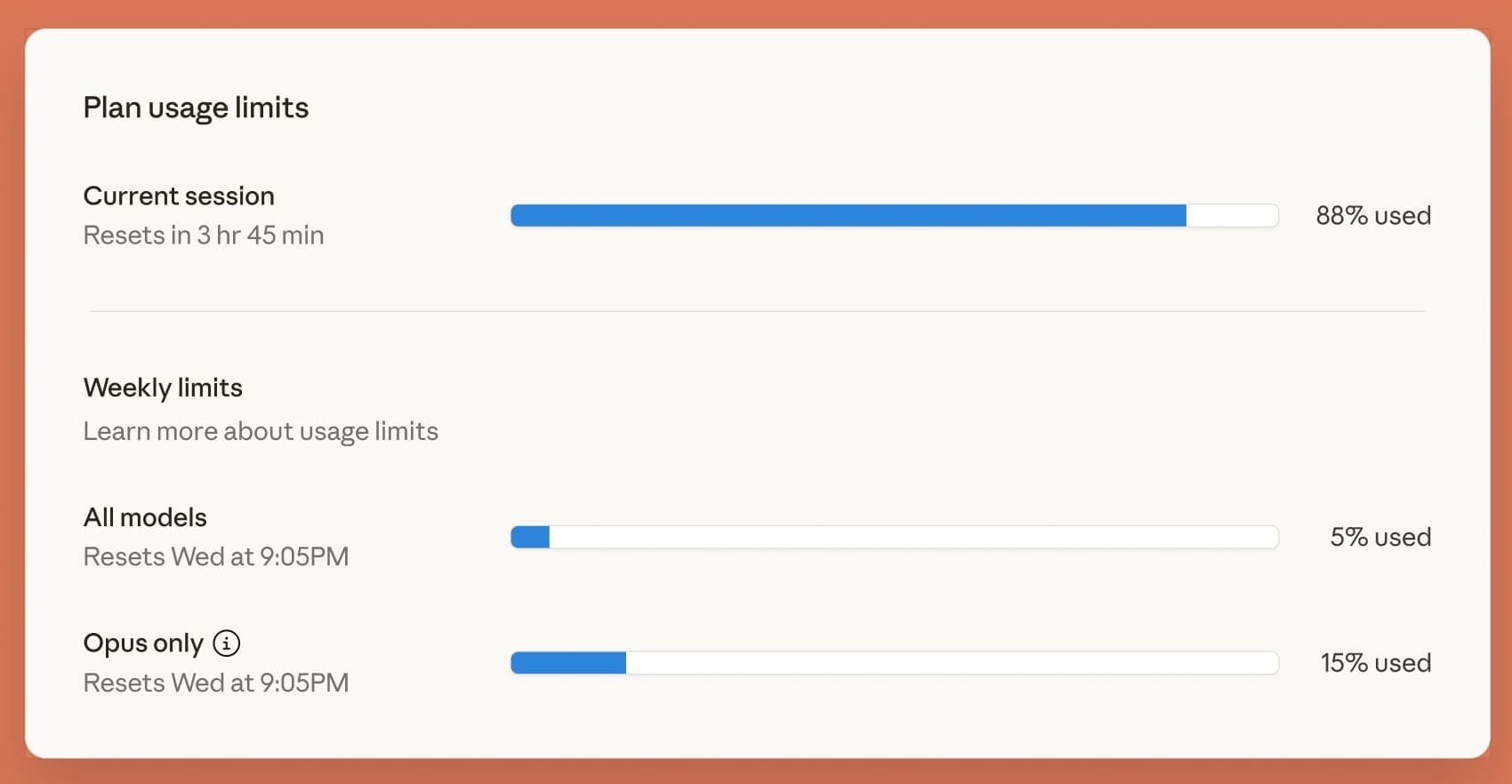
Along with the limits, Anthropic introduced a new usage meter that allows users to track their consumption in real time. This tool is intended to help users manage their quotas more effectively, but according to forum discussions, some users are still calling for greater transparency about what exactly an "hour" means in the context of tokens.
These changes come at a time when Anthropic is facing competition from other AI tools. The restrictions are intended to prevent abuse, such as running Claude Code continuously, and ensure that the service remains available to regular users. According to available information, the limits apply to a weekly cycle that resets every seven days and operate alongside the five-hour rolling limits.
Source: piunikaweb.com