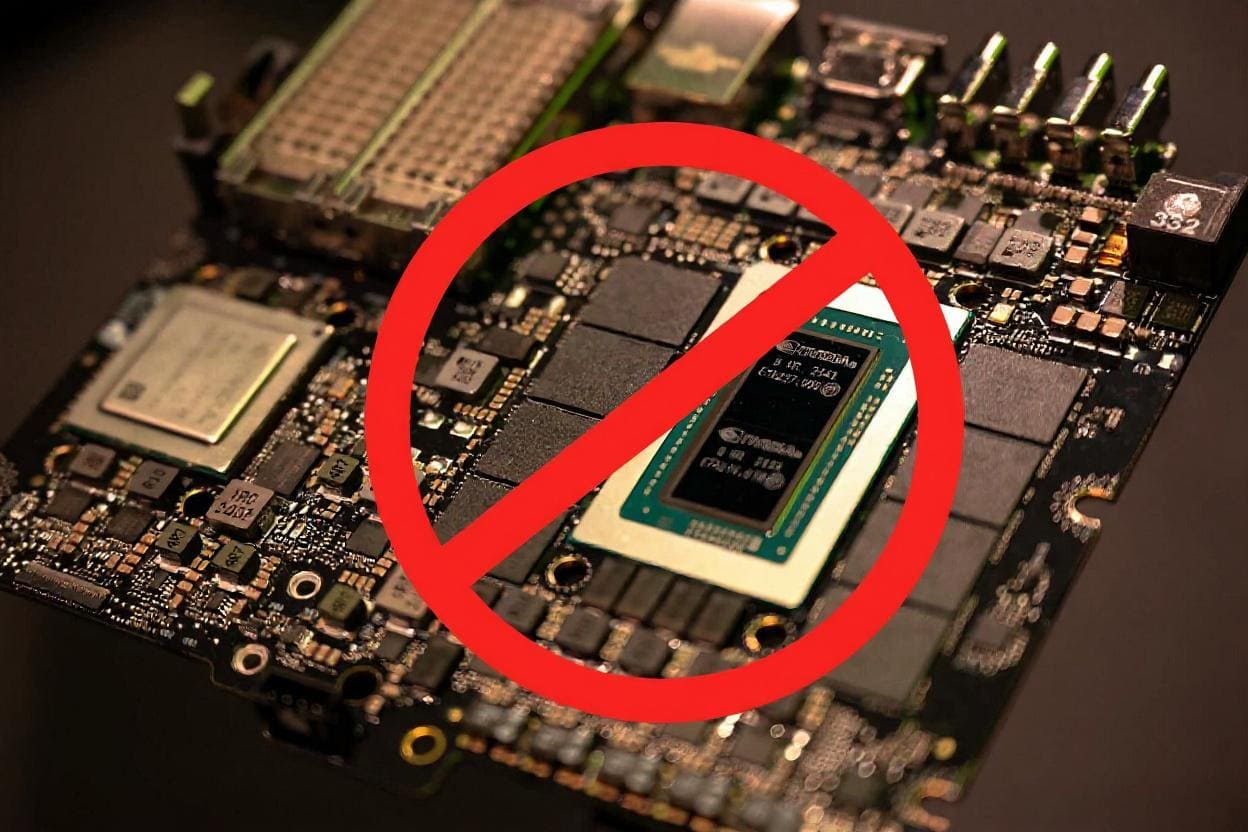
China is imposing a strict ban on the use of foreign AI chips in data centers that receive any form of state funding. The order applies to all new projects and requires them to use only domestically produced semiconductors. According to sources familiar with the matter, projects that are less than 30% complete must remove all foreign AI chips already installed or cancel plans to purchase them. Projects at more advanced stages will be assessed individually, on a case-by-case basis.
The ban applies to chips from major foreign manufacturers, including Nvidia, AMD, and Intel. Even models designed to comply with U.S. export restrictions, such as the Nvidia H20, are now excluded. They are to be replaced by Chinese alternatives, such as chips from Huawei, Cambricon, or Enflame. Sources say the order represents one of China's toughest measures to exclude foreign technology from critical infrastructure and promote its own self-sufficiency in AI chips.
Impact on data centers
In practice, this means that all government-funded data centers must switch to Chinese chips. If a project is still in the early stages of construction, for example less than 30% complete, it must remove all foreign components. Those that are further along will be assessed individually. It is not yet clear whether the order applies nationwide or only to certain provinces, or which specific regulatory authority is behind it. No official document has been published yet, so the details may still change.
Since 2021, China has invested more than $100 billion in AI infrastructure, equivalent to approximately 2.3 trillion Czech korunas at the current exchange rate. This enormous amount of money is now being directed exclusively toward supporting domestic manufacturers. Foreign companies such as Nvidia, AMD, and Intel are thus losing their chance to return to the Chinese market for government-backed AI data centers. Domestic brands are becoming the main suppliers, and this shift is closing the door on foreign technologies in sensitive areas.
Global tensions
The ban comes amid growing technological tensions between the U.S. and China. The United States previously imposed export restrictions on advanced chips to China, forcing companies such as Nvidia to modify their products. China is responding by completely excluding foreign chips from state-funded projects, including those adapted to comply with U.S. rules. Sources say the order is part of an effort to achieve technological independence.
It has not yet been confirmed whether the ban will also be extended to privately funded data centers. If so, it could have even greater consequences for the global AI chip market. Domestic manufacturers such as Huawei, Cambricon, and Enflame now have an enormous opportunity to grow, while foreign giants remain shut out of this key segment of the Chinese market.
Source: reuters.com