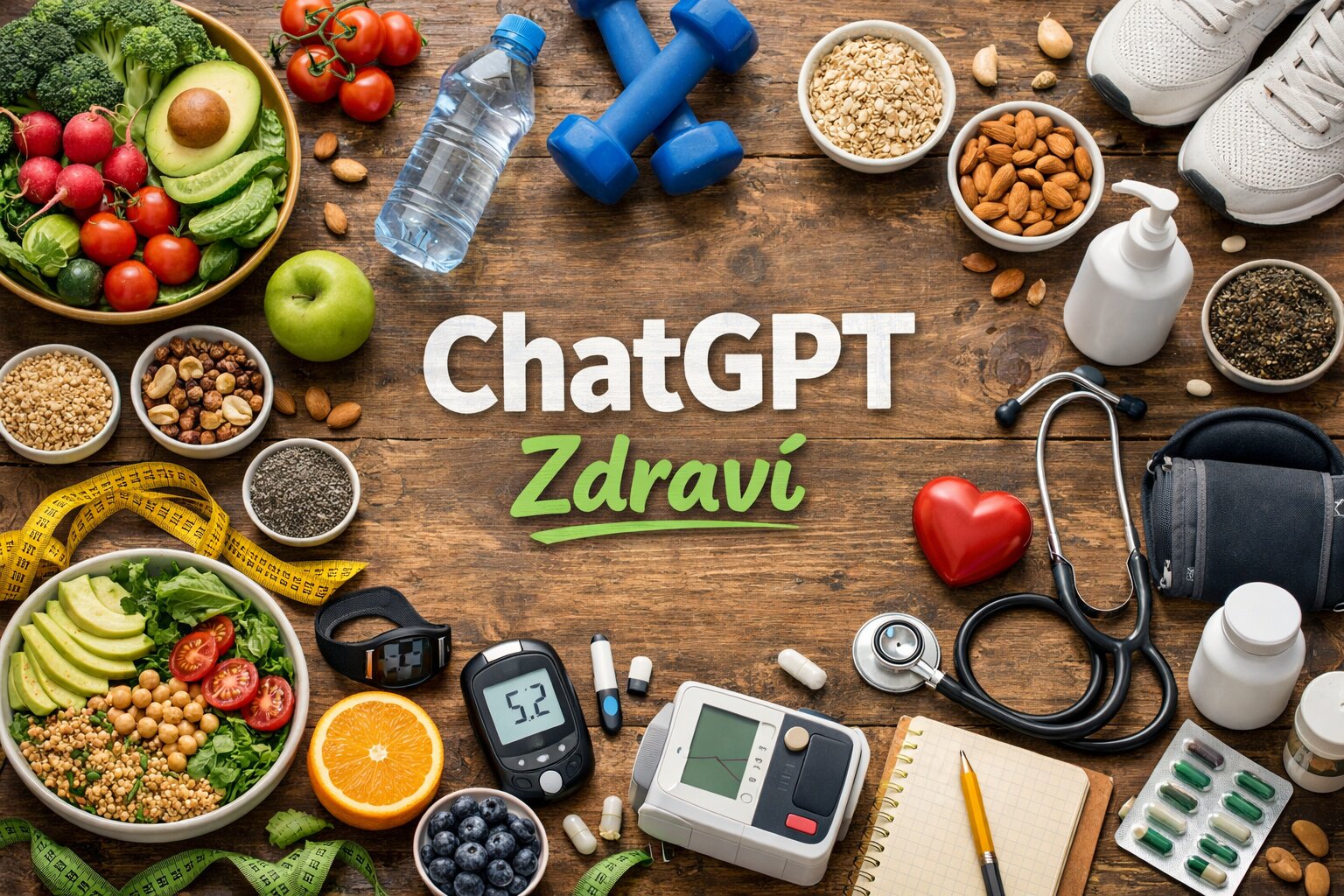
What Is ChatGPT Health?
OpenAI has just announced a new feature called ChatGPT Health, a dedicated section within its chatbot designed exclusively for health and wellness topics. This tool allows people to securely connect their health information to ChatGPT's intelligence to receive more relevant answers. More than 230 million people turn to ChatGPT with health-related questions every week, so this feature builds on what people are already doing. You can upload your electronic health records, test results, or data from apps such as Apple Health, Function, or MyFitnessPal. For example, it can help explain blood test results, prepare questions for your doctor, or suggest how to adjust your diet based on your activity and sleep data.
It works by keeping health-related conversations in a separate space where data is isolated and encrypted. OpenAI emphasizes that it is not a substitute for medical care—there is no diagnosis or treatment, only support to help you feel better informed. The company collaborated with more than 260 doctors from 60 countries, who provided over 600,000 examples of feedback to ensure the answers are clear, safe, and useful. The model is evaluated using the HealthBench framework, which focuses on safety, clarity, and the need to see a doctor.
How Does It Work in Practice?
Getting started is easy: in the ChatGPT app, select the Health section from the sidebar. Then connect your data—for example, medical records through a partnership with b.well, which provides secure connections with healthcare providers in the US. Apps such as Apple Health share information about your movement, sleep, or activity, while MyFitnessPal helps with nutrition advice, macros, and recipes. Other options include Function for insights from blood tests, AllTrails for hiking tips, Instacart for recipe-based shopping lists, or Peloton for workouts and meditation.
Examples of questions? You can ask: "How are my cholesterol levels changing?" or "Create a weekly meal plan to help me rebuild muscle mass while using GLP-1 medications." ChatGPT will use your data to provide personalized answers, but it will always remind you to discuss them with your doctor. All conversations remain separate from regular chats, with their own memory, and you can delete them at any time. If you want, you can add custom instructions so that it avoids sensitive topics or adjusts the style of its responses.
Focus on Privacy and Security
Privacy is essential because health data is sensitive. OpenAI has created dedicated encryption and isolation for this space—conversations are not stored in the models' training data and are not accessible in other parts of ChatGPT. You can enable multi-factor authentication for extra protection. Connecting apps requires your consent, and you can disconnect them at any time, immediately revoking access. In the US, this works through b.well, which meets high security standards, and access to records is limited to people over the age of 18.
Availability
For now, ChatGPT Health is available only to a small group of early users in the US, with a waitlist for those interested. Record integration and some apps work only there, and Apple Health requires iOS. It has not yet launched in Europe, including the Czech Republic, due to strict data protection regulations. OpenAI plans to expand access over the coming weeks to the web and iOS for everyone.
OpenAI promises further improvements, such as more integrations and better support, to help you feel more prepared when it comes to your health.