

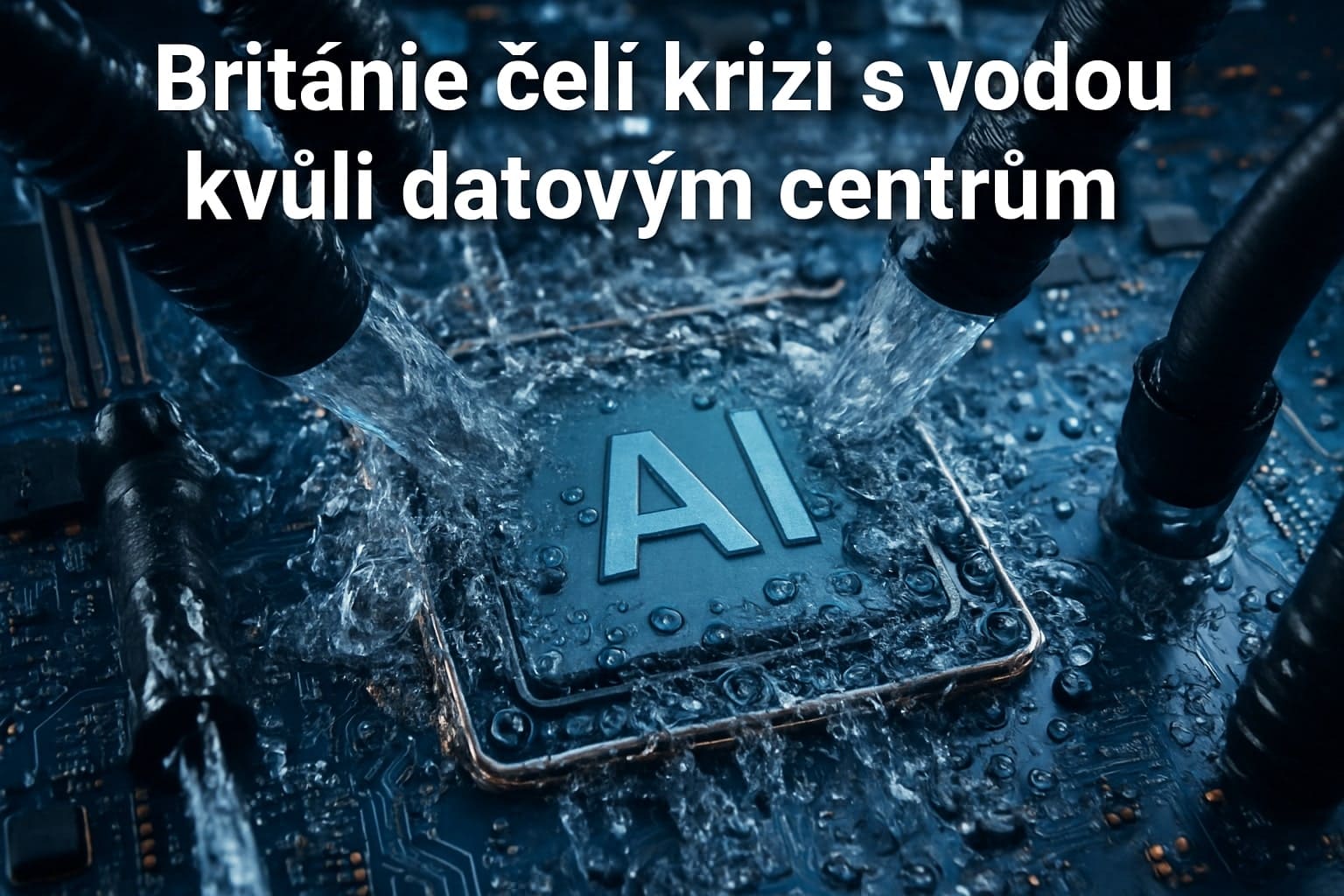
Britain Faces Water Crisis Due to Data Centers
The rapid development of artificial intelligence is creating unexpected challenges for water management. While data centers need enormous amounts of water to cool powerful servers, Britain is struggling with a shortage of drinking water. Water companies are therefore proposing a new solution—instead of drinking water, use treated wastewater to cool AI infrastructure.
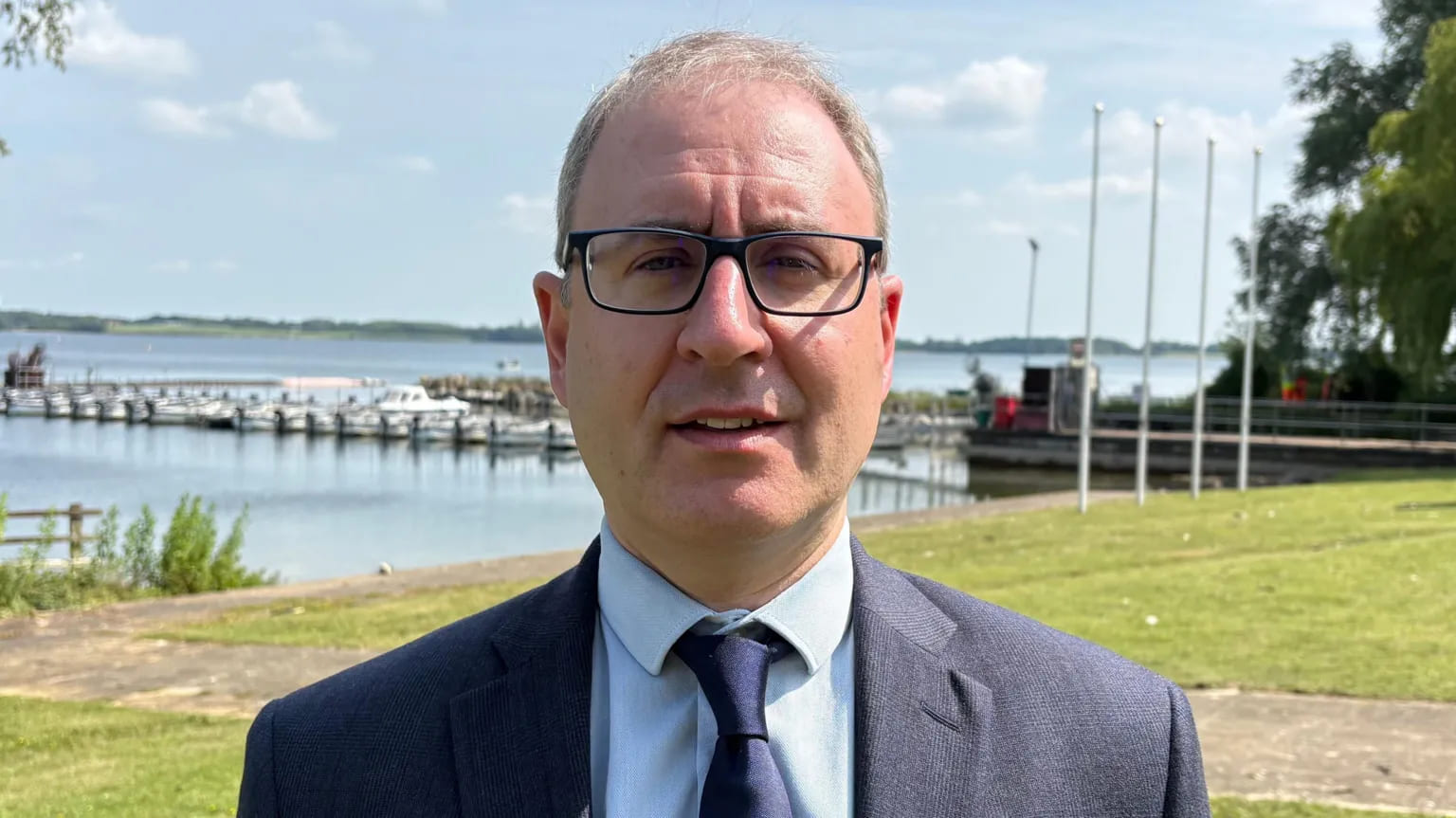
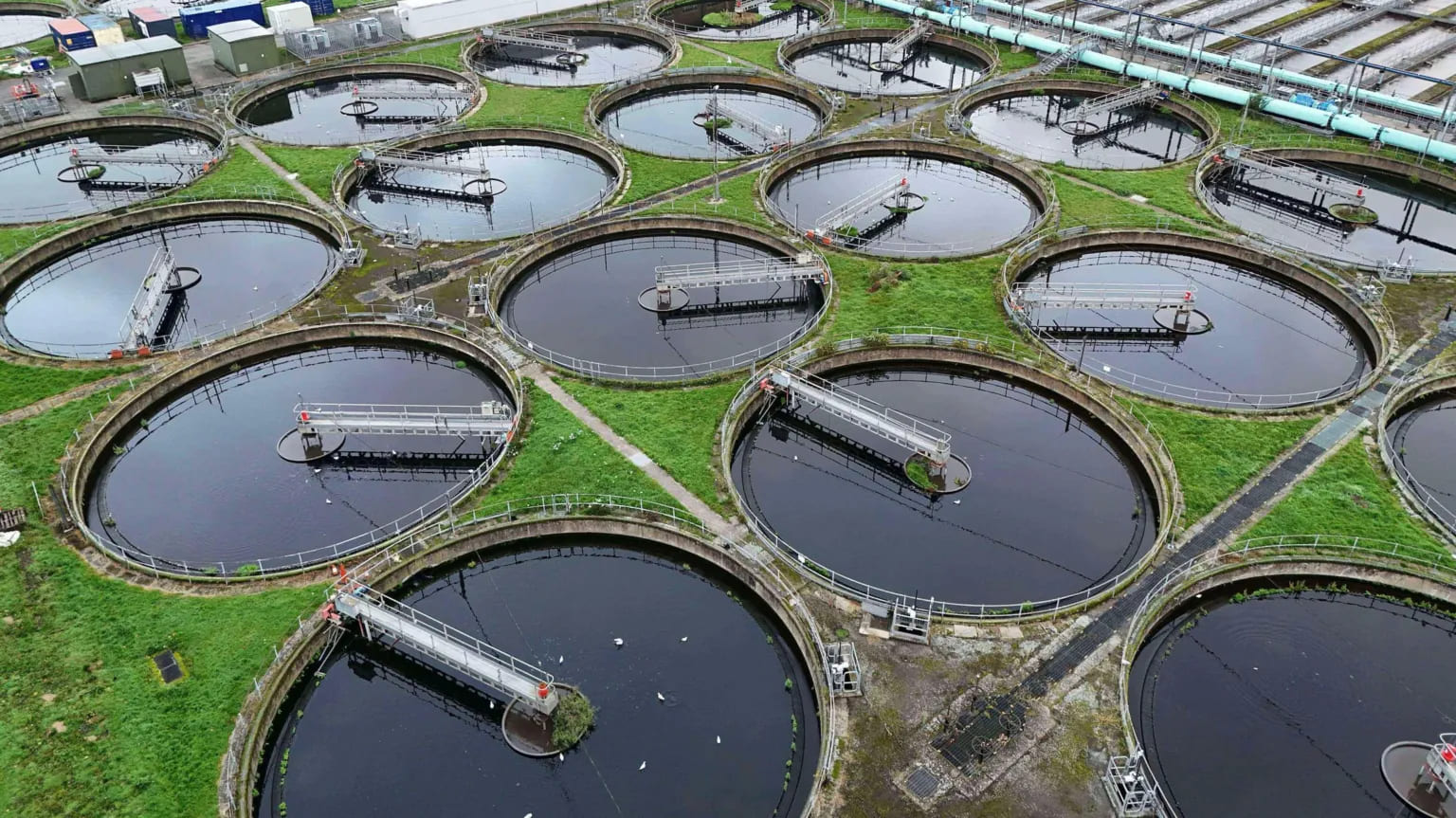
Geoff Darch, head of asset strategy at Anglian Water, said his company had received "expressions of interest in AI growth zones, but also in specific data centers." If a developer approached them requesting a standard drinking water connection for a large data center in a heavily constrained part of their region, "our immediate response would be that this is going to be problematic." The company is therefore "encouraging people to look for alternative sources of water," including "treated wastewater." Darch explained: "It may be that we do not have to use drinking water to cool these facilities. We could use things like treated wastewater, which could be just as good for cooling these data centers."
Water Crisis in the Region with the Highest Concentration of Technology
Anglian Water supplies water to homes and businesses in Northamptonshire, Bedfordshire, Milton Keynes, Norfolk, Lincolnshire, and parts of Cambridgeshire, Buckinghamshire, Hertfordshire, Suffolk, and Essex. Cambridge Water, the neighboring supplier in Cambridge—one of the country's most important technology hubs—said it would "be in a position to support applications" for an AI growth zone in its area only "if we believe that water can be supplied sustainably and without affecting our existing customer supplies and resilience."
Cambridge Water noted that "the issue of water resources in the Cambridge area" is "well documented" and that it is working with Anglian on a transfer from Grafham Water, as well as on a new five-square-kilometer reservoir in the Cambridgeshire Fens, to help bolster supplies. According to the company, these plans would support "planned growth in the region" and reduce the amount of water the company draws from the chalk aquifers that feed the area's chalk streams.
Conflict Between Experts: Low or Enormous Water Consumption?
John Booth, who chairs the Data Centre Alliance's energy efficiency and standards committee, said he would "see no problem" with using "pumped wastewater from the very final stage of a wastewater treatment plant" for cooling. According to him, the water would be treated by the data center before entering the cooling system. However, Booth believes that concerns about data centers' water use stem from what US facilities consume.
He explained that US centers often use "evaporative cooling," which involves spraying water onto a heat exchanger and was designed for situations where the outdoor temperature reaches 28°C. The large data centers he has visited in the United Kingdom use "closed-loop cooling systems" that do not require a continuous water supply. "The figures I get from data center managers reflect very small amounts of water consumption on an annual basis—and we measure it in gallons, not cubic meters per year."
In contrast, Darch of Anglian Water warned that data centers and hydrogen production will be two major sources of future industrial water demand. He said they might represent only a "single-digit" percentage of all the water Anglian supplies, but that could equate to "tens of millions of liters of water per day." "Our region is a water-scarce region—we do not necessarily have that volume of water immediately available—so what we are trying to do now is identify these new water demands and start planning the infrastructure, things like new reservoirs and pipelines, that can actually meet the demands these developments will create in the future."
Innovative Cooling Methods: From Immersion to Direct-to-Chip Cooling
Current technologies offer several alternatives to traditional air cooling. Direct-to-chip liquid cooling delivers coolant directly to server components, offering greater efficiency and supporting higher rack densities than air cooling, with the potential for significant construction cost savings of 15 to 30 percent. Immersion cooling submerges hardware in non-conductive fluids and achieves the highest performance and density—up to ten times that of traditional air cooling.
Elizabeth Orchard of the Institution of Civil Engineers said that data centers "predominantly" use closed-loop cooling systems, which are "emerging best practice." They require "a large initial demand" for water to "charge" them, but not a continuous supply. Regarding the use of treated wastewater, she added: "It is a known, viable technology—it makes a great deal of sense. If there is a suitable source of treated wastewater nearby, then yes—go for it."
Government Strategy and Critical Infrastructure
The government has committed to building additional AI infrastructure and has invited areas to apply to become "AI growth zones," with the first designated for Culham in Oxfordshire. Applicants must have a letter of support from their local water supplier. In September, data centers were designated as "critical national infrastructure," meaning they would receive additional government support during a major incident, such as a cyberattack, IT outage, or extreme weather, in order to minimize disruption.
Darch also said Anglian is exploring desalination so that seawater could be used inland. He said the balance between water supply and demand is becoming "increasingly tight" and that "we need to start thinking more with a kind of scarcity mindset." Britain's Environment Agency has warned that without dramatic measures, England, which uses 14 billion liters of water per day, will face a daily shortfall of more than six billion liters by 2055.
The Future of Efficient Cooling
Alternative methods such as adiabatic cooling use water evaporation for pre-cooling, reducing the need for mechanical chillers but still consuming water. Free-air cooling uses outside air when climate conditions permit, significantly reducing water and energy consumption, but it is regionally limited. Closed-loop liquid cooling systems minimize water consumption by recirculating coolant and are suitable for water-scarce regions and high-density AI applications.
For AI-focused data centers in water-stressed regions, closed-loop liquid cooling—particularly immersion technology and direct-to-chip cooling—offers the best combination of efficiency, density, and minimal water consumption, addressing both technological and sustainability challenges. These systems require little or no ongoing water supply and enable greater energy efficiency and server density.


