

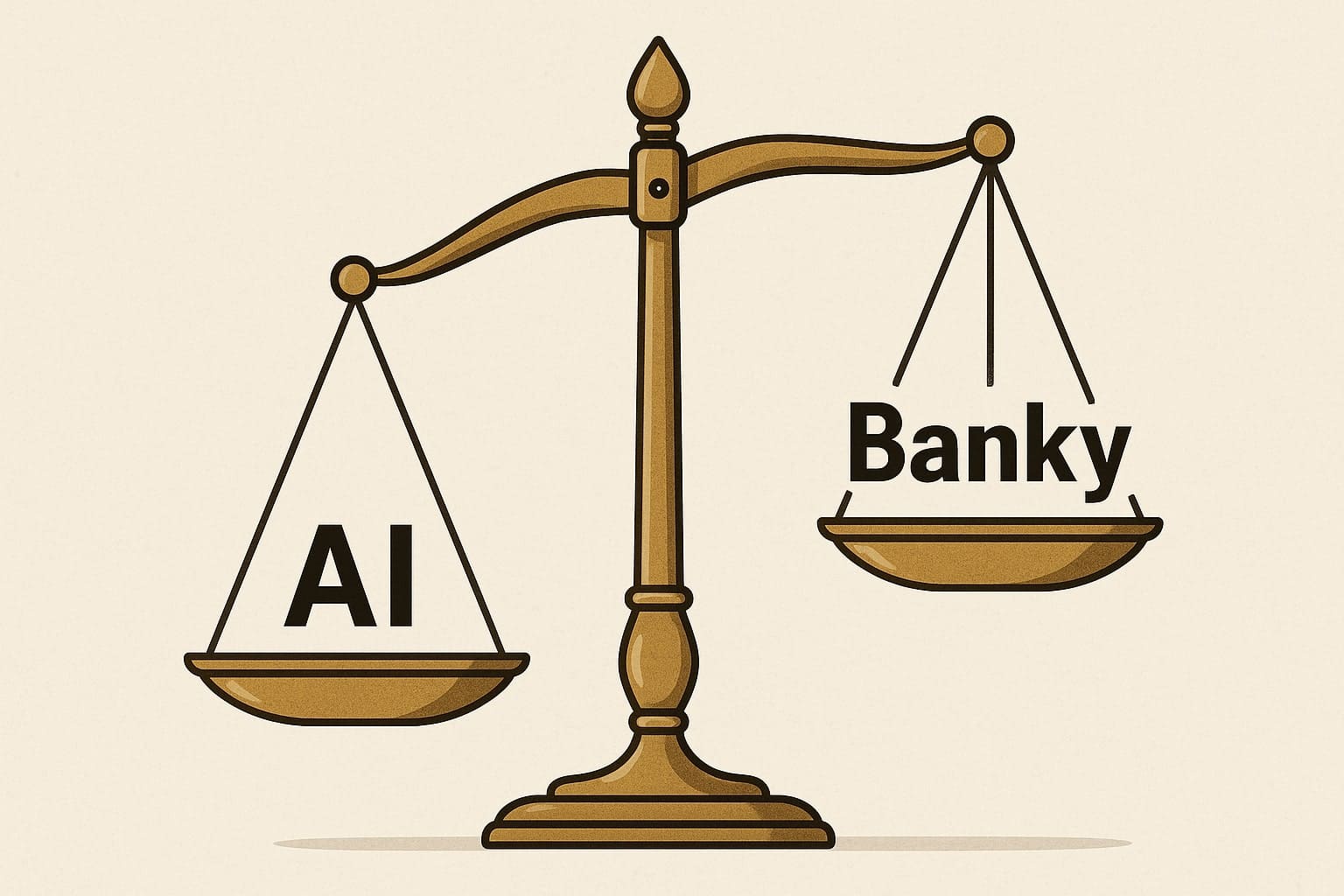
Companies associated with artificial intelligence have issued a record $141 billion in debt this year, equivalent to approximately CZK 3.243 trillion. This amount exceeds the total debt issued across the technology, media, and telecommunications sector in all of 2024. Notable examples include Oracle, which issued a total of $25.8 billion in debt, or about CZK 593 billion. Oracle is rapidly building computing capacity for OpenAI, highlighting the enormous costs associated with the development of artificial intelligence.
Companies are increasingly turning to credit markets to cover AI development spending. According to Goldman Sachs research, this trend has passed important milestones, although Goldman Sachs analysts note that there is no cause for alarm yet. Large technology companies generate strong cash flows and have low debt levels. Nevertheless, analysts emphasize that the shift in capital expenditure financing from cash to debt warrants close monitoring.
JPMorgan reports trillions in debt
JPMorgan Chase announced this week that investment-grade debt issued by companies associated with AI had reached $1.2 trillion, equivalent to approximately CZK 27.6 trillion. This group of companies has thus become a larger component of the broader investment-grade debt index than U.S. banks. JPMorgan analysts point out that large technology companies still have substantial cash reserves, which provide them with some protection.
On the other hand, concerns are emerging about traditional utility companies involved in the AI boom. Their debt has reached levels that exceed standards for high-quality credit. This increase in debt comes as companies seek to finance massive investments in artificial intelligence infrastructure, such as data centers and computing systems.
Risks associated with debt financing
According to information available online, if companies' revenue growth fails to keep pace with debt growth, it could lead to strain on corporate finances and weaker credit quality. Wall Street banks such as Goldman Sachs and JPMorgan are warning about these risks amid economic uncertainty, including a possible economic slowdown in 2026.
Although AI stocks continue to drive market growth, the growing reliance on debt introduces potential vulnerabilities. Companies such as Oracle illustrate how debt is being used to build capacity for key players such as OpenAI, but analysts emphasize the need for caution. Global spending on AI is not limited to the U.S. – similar trends are also emerging in other countries, where investments are being made in AI-powered data centers.
Debt in the AI sector has surpassed traditional bank debt in indexes, underscoring the growing importance of the industry. According to JPMorgan analysts, large companies remain flush with cash, but debt among utility companies associated with the AI boom is approaching the limits of high credit standards. This shift from cash financing to debt requires careful monitoring, as Goldman Sachs experts note.
Sources: theinformation.com timesofindia.indiatimes.com


