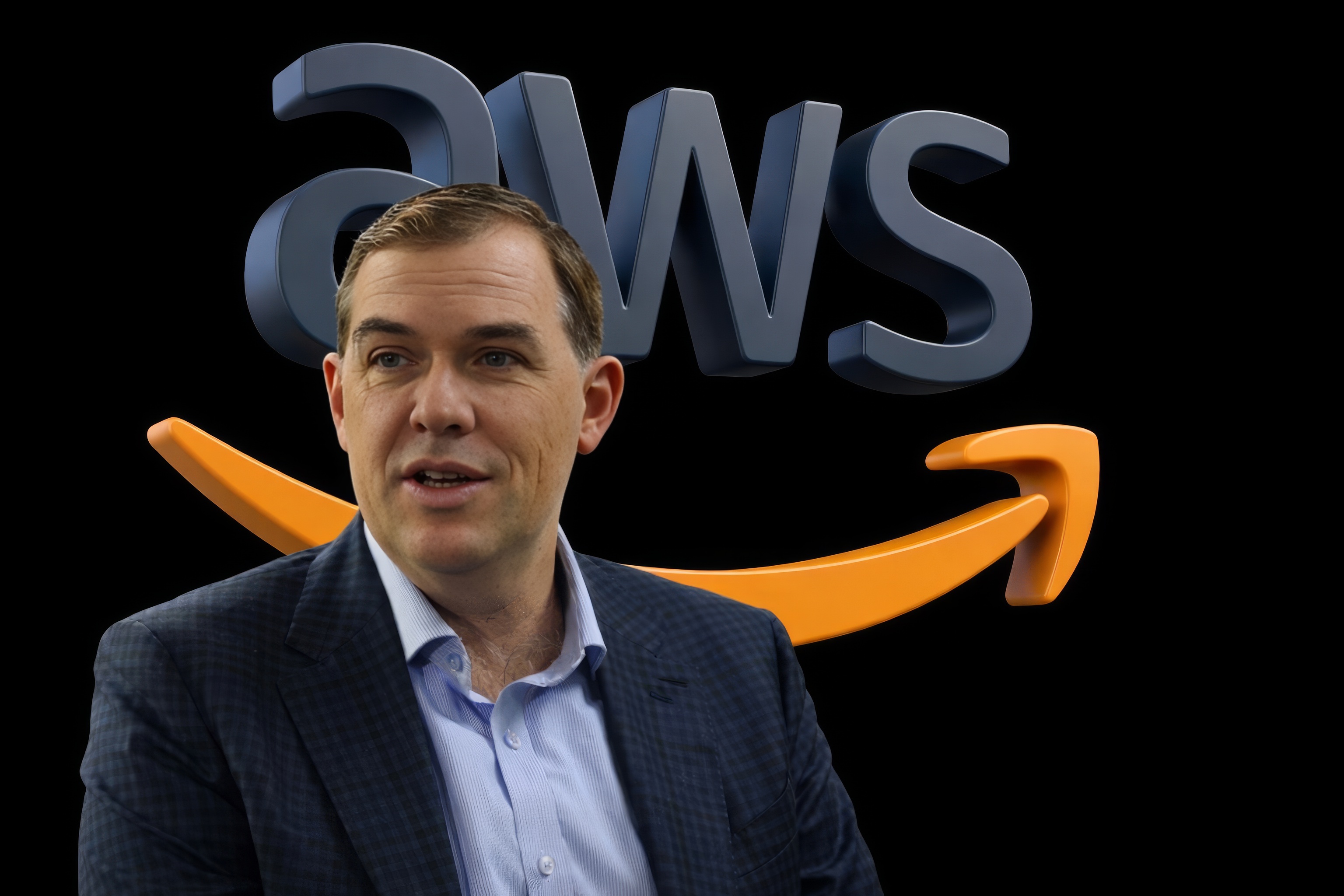
Matt Garman, CEO of Amazon Web Services (AWS), has openly expressed doubts about plans to build data centers in space. At the Cisco AI Summit in San Francisco, he described the idea as "economically unviable" and emphasized that its implementation is still a long way off.
Garman was responding to the ambitious plans of Elon Musk, who this week announced a merger of SpaceX and xAI valued at CZK 31.25 trillion. In his statement, Musk said that data centers in space will be crucial because "global demand for electricity for artificial intelligence simply cannot be met by terrestrial solutions".
Logistical Obstacles vs. SpaceX's Plans
According to the head of AWS, the main problem is the cost of transporting equipment into space. "I don't know if you've seen a server rack recently: they're heavy," Garman noted. "And as far as I know, humanity has yet to build a permanent structure in space." Garman further pointed out that there are not enough rockets to launch one million satellites, which is the number Musk is planning. "We're quite a long way from that. If you consider the cost of transporting payloads into space today, it's enormous," he added.
SpaceX has applied for permission to build a megaconstellation of up to one million orbital data centers. Musk claims that within two to three years, space will be the cheapest way to generate computing power for AI. The company is relying on its Starship rocket, which is expected to dramatically reduce launch costs.
In 2025, SpaceX achieved a record 165 Falcon 9 and Heavy rocket launches, falling short of its own target of 180 launches. This week, the company also suspended Falcon 9 flights due to an unspecified issue with the second stage.
Google and Blue Origin Enter the Race
Rival company Alphabet's Google announced Project Suncatcher in November, an orbital data center project that could begin test launches as early as next year. Google's research suggests that launch costs could fall to CZK 5,000 per kilogram by 2035, making the cost of a space-based data center comparable to terrestrial energy costs.
Amazon founder Jeff Bezos, who owns rival rocket company Blue Origin, also believes in the future of data centers in space. According to him, gigawatt-scale orbital facilities could be built within the next few decades.
Reality Versus Vision
While Musk sets characteristically optimistic timelines, Garman remains skeptical. AWS, the world's largest cloud service provider, operates more than 900 data centers around the globe, and according to Garman, they will remain there for the foreseeable future.
The explosive growth of artificial intelligence requires enormous amounts of computing power and cooling, straining the capacity of terrestrial data centers. This has prompted cloud companies to consider alternatives, such as sending equipment into space, where terrestrial challenges are less severe. Achieving Musk's goals, however, requires Starship not only to reliably reach orbit but also to achieve reusability, which could take years. In addition, the launch frequency would need to increase to approximately 180 Starship launches per year, an ambitious target even for SpaceX.
Sources: theinformation.com and datacenterdynamics.com