Anthropic operates an actual biology laboratory in the San Francisco Bay Area. This is not a computer model, but a facility with cells, chemicals, and equipment where experiments are physically conducted. Two people familiar with the matter described the existence of the so-called wet lab to Reuters, and the company subsequently confirmed it. For a company that has spent years positioning itself primarily as the creator of the Claude chatbot and as a vocal critic of the dangers of artificial intelligence, this represents a significant shift.
The laboratory was kept quiet
It was no secret that Anthropic was moving into biology. The company has repeatedly said that it wants to seek treatments for rare diseases that large pharmaceutical companies largely neglect because doing so is not profitable. Until now, however, it appeared that everything was being done in silico, meaning on a computer.
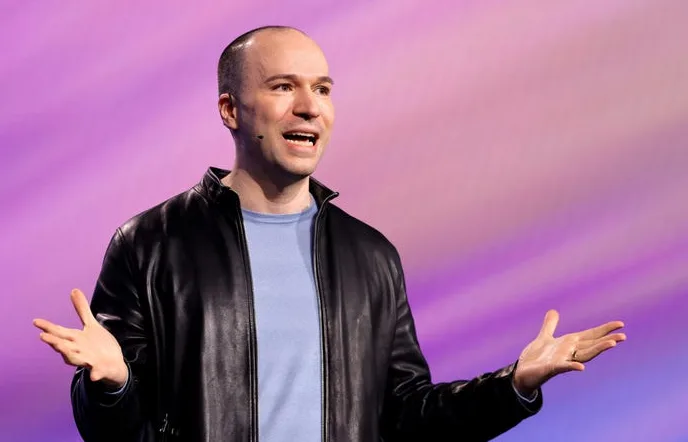
Eric Kauderer-Abrams, head of biological research, explained to Reuters why that is not enough. We believe that in biology, the ultimate test is still real work in a laboratory, he said. That is exactly what we are doing today, he added, noting that the way they work is similar to that of other biotechnology companies. Anthropic handles some tasks itself at its own facilities, while outsourcing others to external partners.
An Anthropic spokesperson later clarified that the laboratory is not specifically used to develop drugs and declined to elaborate further. The company did not disclose how large the facility is, how many people work there, when it opened, or what biosafety level it operates at. The last of these details provides the clearest indication of what dangerous materials may be handled there. Anthropic itself says that it focuses on basic biology. Kauderer-Abrams also explained why the company wants to conduct research in-house. We can do some things much faster ourselves, he said, adding that the goal is to work at the largest possible scale. When it makes sense, they outsource the work.
According to Reuters sources, Anthropic has a more ambitious plan than simply having its own test tubes. It wants the Claude model to be able to coordinate robotic equipment and conduct experiments with minimal human intervention. At the same time, the company says that humans must remain in the loop for safety reasons. How far has this development progressed? We are at the very beginning of using artificial intelligence to automate the actual performance of laboratory work, Kauderer-Abrams said. According to him, however, this approach has the potential to significantly accelerate many different procedures.
The path to its own laboratory
Anthropic hinted at its intention to launch its own drug programs at an event in San Francisco in June. Kauderer-Abrams said there that the company would undertake research in the stages before human testing, focusing on areas that traditional companies do not consider financially attractive.
In April, Anthropic acquired the small biotechnology startup Coefficient Bio for approximately $400 million in stock. At the same time, Novartis CEO Vas Narasimhan joined its board of directors. In June, the company then introduced Claude Science, software designed for laboratory research rather than ordinary chatting. Its customers include Genentech and Bristol Myers Squibb, while Novo Nordisk joined them with a joint drug development agreement just a few days before the information about the laboratory was made public.
The company is also currently seeking new employees. It is advertising positions for a head of procurement and a biochemistry specialist. According to Kauderer-Abrams, biological research is among Anthropic's largest divisions in terms of both employee numbers and money invested.
The CEO's personal motivation
For CEO Dario Amodei, the subject is personal. In one of his essays, he wrote that his father was killed by a disease only a few years before a treatment for it was discovered. Amodei recently said that he believes artificial intelligence could cure most serious diseases within five to ten years.
The company's mission is to develop powerful artificial intelligence in a way that benefits the world, Kauderer-Abrams said. By far the greatest opportunity to do so lies in biology and medicine, which is the primary motivation behind everything they do.
Warnings and test tubes at the same time
News of the laboratory arrived during a week when the resignation of researcher Jacob Coxon was still resonating within the expert community. Upon leaving, he warned that the people developing artificial intelligence sincerely believe that it could kill us all by the end of the decade. Anthropic's head of safety research himself estimated the probability that artificial intelligence will wipe out humanity during the next decade at more than ten percent.
Last weekend, Amodei published an essay in which he called on the entire industry to slow down and establish clear boundaries for itself. He has long identified bioterrorism as one of the greatest dangers posed by artificial intelligence. At the same time, the company launched a verification program for biological researchers this week that will give vetted scientists access to its most powerful models.
The contrast between the bleak scenarios and the company's own biology laboratory did not go unnoticed in technology circles. Investor and founder of an artificial intelligence programming startup Chamath Palihapitiya summed it up half-jokingly on X by saying that the group that preached slogans about how we are all going to die and rules must be introduced is building a wet lab in San Francisco, which he definitely does not recommend.
Sources: techcrunch.com and theverge.com