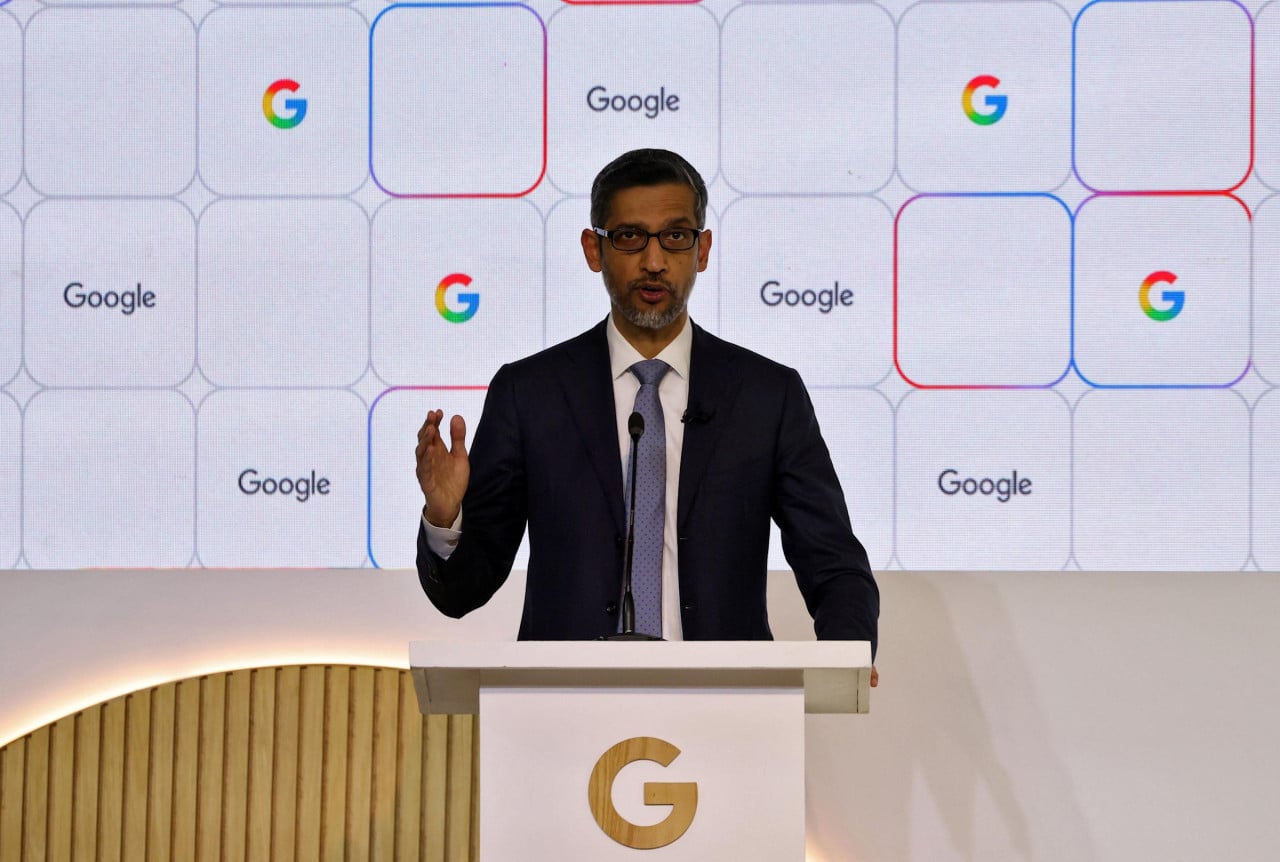
Three-quarters of all new code at Google is now generated by artificial intelligence. Humans approve it; machines write it. And this figure is growing faster than anyone expected. Sundar Pichai said so at the company’s own Cloud Next 2026 conference in Las Vegas. “Today, 75% of all new code at Google is generated by artificial intelligence and approved by engineers. Last fall, it was still 50%.”
In October 2024, AI generated roughly a quarter of Google’s internal code. A year and a half later, going from 25% to 75% in less than 18 months is a pace unprecedented in the technology industry. And yet, nothing fundamental has changed in the structure of engineering teams. People still sit at computers and still decide what gets deployed and what does not. Only what appears in front of them for review is now created differently.
Engineers Are Writing Less and Managing More
Engineers are reportedly shifting toward higher-value tasks such as system architecture, design, and solving complex problems. AI writes the code itself for them. Pichai calls this a transition to “truly agentic workflows.” He says engineers now manage fully autonomous digital workforces and launch agents that perform several tasks for them at once.
One specific example Pichai mentioned: a complex code migration that would previously have taken a team of engineers a certain amount of time was completed six times faster with the help of AI agents than it was with human labor a year ago. Another example is the development of the Gemini app for macOS. The team used the internal development platform Antigravity and went from an idea to a working Swift prototype in just a few days.
Google as Its Own Guinea Pig
Pichai emphasized that Google deliberately acts as the so-called “customer zero” for its own products. In other words: first we test it on ourselves, then we offer it to the world. The platform on which AI agents work internally is called the Gemini Enterprise Agent Platform. In Google’s words, it is a command center for the agentic enterprise—a place where companies can build, scale, and manage hundreds of AI agents at once.
An interesting detail from Business Insider: some Google DeepMind employees were given permission to use Anthropic’s Claude Code, a tool made by a direct competitor. This reportedly caused some tension within the company, but management tolerates it. Productivity is apparently more important than loyalty to the company’s own tools.
AI performance is also directly linked to employee evaluations. This year, some Google engineers have specific goals related to AI usage that are reflected in their performance reviews. There is no voluntary “if you want to.”
Google Is Far From Alone
Figures from other technology companies show that this is a trend, not an exception. As recently as April 2025, Microsoft reported that 20% to 30% of the code in selected projects was AI-generated. Microsoft CEO Satya Nadella said at the time that within five years, AI would generate 95% of all code.
Snap announced this April that under its new operating model, at least 65% of new code comes from AI, and almost immediately afterward announced layoffs. In the fourth quarter of 2025, Meta set a goal for 55% of code changes in some teams to be “agent-assisted.” For the first half of this year, 65% of engineers in its creative division have been tasked with using AI to write more than 75% of the code they submit. And Anthropic itself, the creator of Claude, reportedly writes nearly 100% of its code internally with the help of AI.
In other words, engineers are reading more and writing less. Whether that represents progress or merely a redistribution of work depends on your perspective. One question Pichai did not answer: what percentage of AI-generated code has to be rewritten before deployment? That figure would reveal quite a lot about the true maturity of these tools.
Sources: aol.com, fastcompany.com, and timesofindia.indiatimes.com