

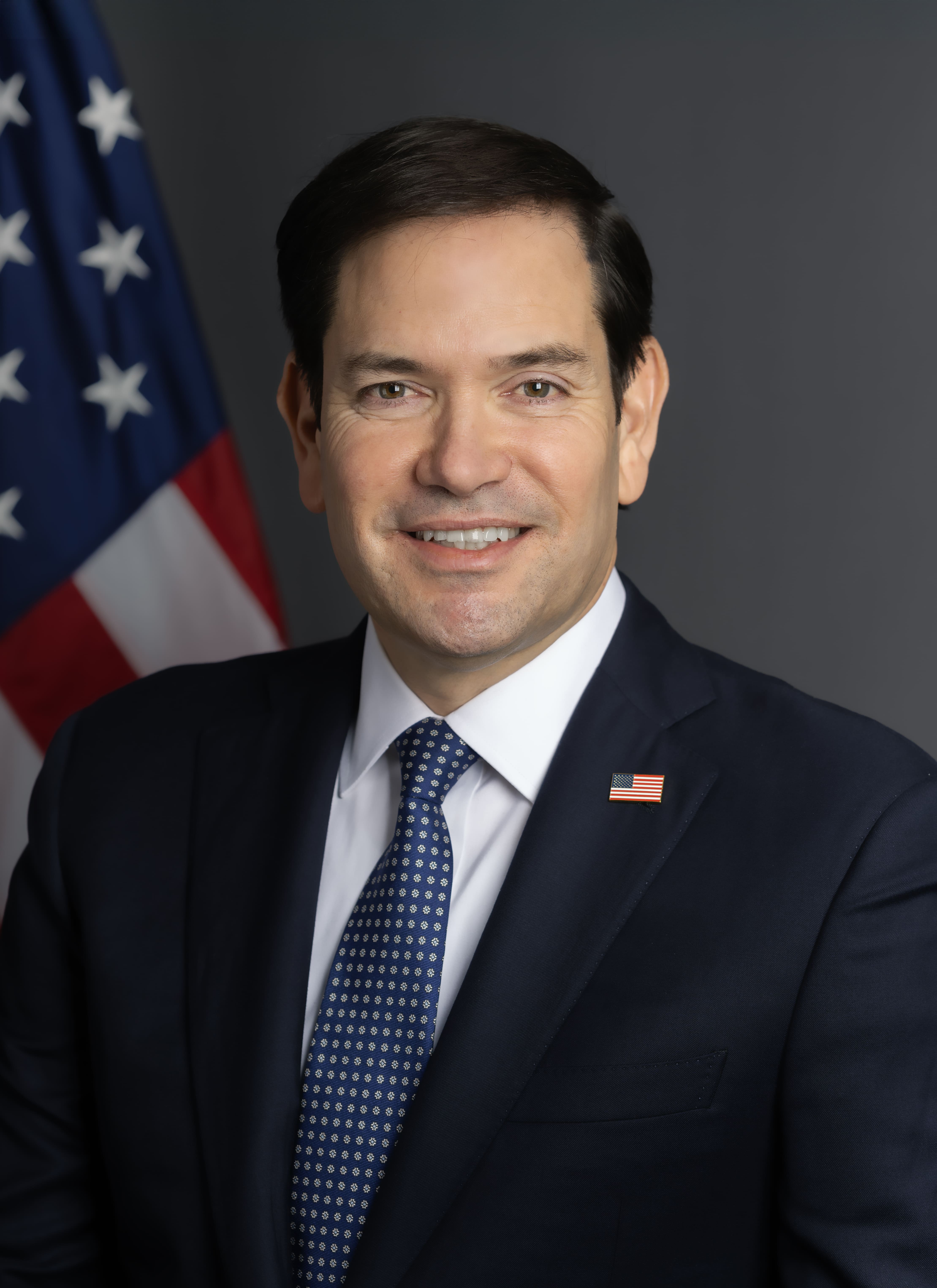
Scammer Used AI to Impersonate U.S. Secretary of State Marco Rubio
The U.S. Department of State is investigating a serious cyber incident in which an unknown attacker used artificial intelligence to impersonate Secretary of State Marco Rubio and contacted senior foreign and domestic officials. This case represents a significant advance in the use of deepfake technology for espionage and diplomatic manipulation.
Scale of Attack Surprised Experts
According to a confidential State Department cable dated July 3, 2025, obtained by CBS News, an unknown attacker created a fake account in the encrypted Signal app in mid-June under the name "[email protected]". This account was not an official government email address, but it appeared credible enough to deceive several senior officials.
The attacker contacted at least five individuals in total, including three foreign ministers, one U.S. governor, and one member of Congress. The scammer left AI-generated voice messages for at least two targets and, in one case, sent a text message urging further communication through the Signal app.
Sophisticated Impersonation Technique
According to cybersecurity experts, the incident represents a troubling escalation in the use of AI technology. The attacker demonstrated detailed knowledge of State Department conventions and internal practices, raising concerns about possible insider infiltration or prior intelligence gathering.
The FBI issued a public warning about "malicious text and voice messaging campaigns" that use AI to impersonate senior U.S. officials. These techniques are known as "vishing" (voice phishing) and "smishing" (SMS phishing).
Cybersecurity Under Pressure
A State Department representative said that "there is no direct cyber threat to the Department from this campaign, but information shared with a third party could be exposed if targeted individuals are compromised". This statement suggests that authorities are particularly concerned about the possibility that the attacker may have obtained sensitive information from the deceived officials.
In a statement, the State Department confirmed that it is investigating the incident and that it "continually takes steps to improve the Department's cybersecurity to prevent future incidents". Authorities also emphasized the need for strong authentication protocols and training for government officials so that they can recognize and respond to sophisticated social engineering attacks.
Russian Hackers Suspected
According to several reports, Russian hackers are suspected in this case, although official attribution of the attack has not been publicly confirmed. The incident is part of a broader trend of deepfake threats, with previous attacks targeting U.S. politicians and foreign elections.
An anonymous U.S. official quoted by the Associated Press said that the scams were unsuccessful and "not very sophisticated". Nevertheless, experts warn that the availability of AI tools enables both criminal and foreign intelligence actors to carry out sophisticated impersonations that were previously limited to advanced nation-state capabilities.
Previous Cases of AI Impersonation
This is not the first case in which artificial intelligence has been used to impersonate U.S. politicians. Last year, a fake call purportedly from former President Joe Biden urged voters to skip the New Hampshire primary ahead of the 2024 election. New Hampshire officials said at the time that the calls "appear to be an unlawful attempt to disrupt" the election.
These incidents highlight the growing need for increased vigilance across diplomatic and government communications. The incident involving Marcus Rubio represents a significant development in the use of deepfake technology as a tool for cyber espionage and diplomatic manipulation.


