

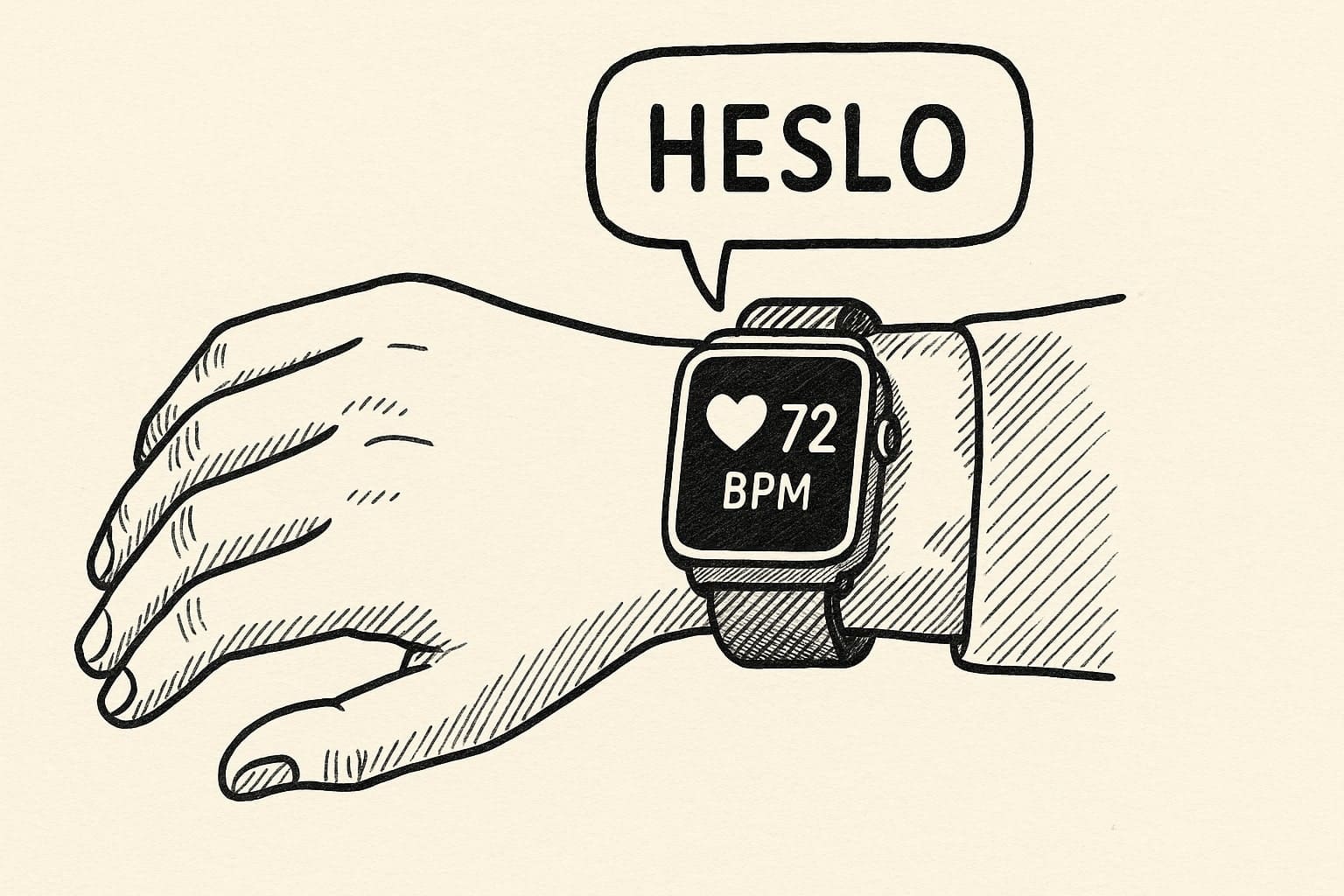
AI Will Replace Passwords with Your Unique Heartbeat
Online security is constantly evolving, and passwords could soon become a thing of the past. Artificial intelligence (AI) introduces a new way to verify identity using a unique heartbeat, promising a faster, more secure, and virtually impossible-to-steal system. This technology is already expanding into various areas, from banking to smartphones, around the world. According to available information, including studies and prototypes, cardiac authentication relies on biometric signals that are unique to each person, with AI analyzing them to confirm identity instantly.
A Unique Biometric Identifier
Each person's heartbeat is as distinctive as a fingerprint, but even more difficult to imitate or steal. This biometric data is derived from an electrocardiogram (ECG), a recording of the heart's electrical activity that differs from person to person. Unlike passwords, which can be guessed or hacked, a cardiac pattern remains stable even when the heart rate changes, such as during exercise. Research shows that AI algorithms can process these signals and compare them with a stored profile, ensuring a high level of security. This approach eliminates the risks associated with repeatedly using weak passwords or sharing them.
Real-Time Authentication
One of the greatest advantages is speed—AI can confirm identity in less than 2 seconds. This is done through sensors built into everyday devices such as smartwatches, phones, or other wearable devices. These sensors capture cardiac signals in real time, enabling continuous authentication. For example, if a device detects the loss of a cardiac signal, it can lock automatically, preventing unauthorized use. According to data available online, this technology is being tested in prototypes where sensors in wearable devices analyze chest vibrations or other physiological signals, increasing convenience for users who do not have to remember complex combinations of letters and numbers.
Where Is the Technology Already Being Used?
Cardiac authentication technology is already being introduced across various sectors worldwide. Hospitals use it to provide secure access to patient data, banks to verify transactions, governments for public-sector systems, and technology companies to secure devices. This shift represents one of the biggest changes in security over the past decade because it reduces the risk posed by hackers who target weak passwords. Information from online sources confirms that these are pilot programs and early implementations in which cardiac signals are used for authentication on mobile or wearable devices, gradually leading to broader adoption.
Limitations and Potential
Although cardiac authentication is promising, it depends on specialized hardware, such as advanced sensors in newer devices, which limits its immediate widespread adoption. Research highlights potential risks, such as attempts to spoof signals, although this is difficult. The technology is still being developed to make it more resistant to attacks, and its adoption will depend on standardization and user acceptance. In the future, it could usher in an era in which the body itself is the key to the digital world, putting an end to password frustrations and strengthening overall security. This trend demonstrates how AI is changing the way we protect our data, with an emphasis on natural biometric features.
Source: www.thedailyupside.com


