

AI Designs New Antibiotics Against Superbugs
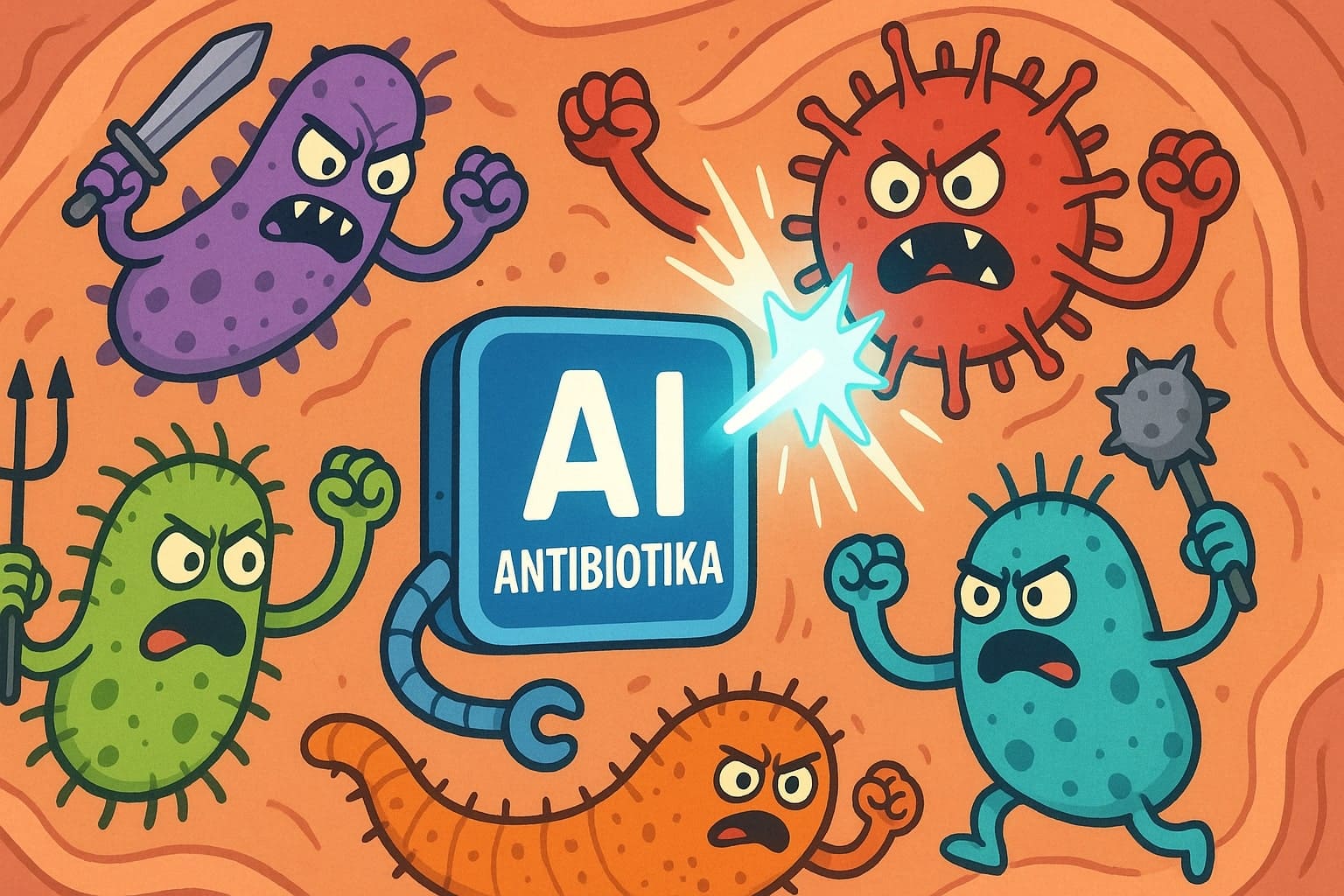
Artificial intelligence (AI) has just taken a major step forward in the fight against drug-resistant bacteria. Scientists at the Massachusetts Institute of Technology (MIT) used AI to design two new potential antibiotics that successfully kill the bacteria that cause gonorrhea and MRSA. These compounds were created atom by atom and proved effective in laboratory tests and in infected mice. Although they still face years of development and clinical trials, this method could open the door to a "second golden age" of antibiotic discovery.
How AI Designed the New Drugs
Scientists trained AI on data about the chemical structures of known compounds and their effects on the growth of various types of bacteria. The AI searched through 36 million compounds, including those that do not yet exist or have not yet been discovered. They used two approaches: one began by searching for promising fragments containing 8 to 19 atoms and building on them, while the other gave the AI free rein from the start. The process excluded anything similar to existing antibiotics, ensured that the compounds were drugs rather than, for example, soap, and filtered out substances toxic to humans.
The result was two new antibiotic candidates. One targets gonorrhea, a sexually transmitted infection, and the other targets MRSA, which is methicillin-resistant Staphylococcus aureus—a bacterium that lives harmlessly on the skin but can cause serious infections if it enters the body. The study was published in the journal Cell and included tests on bacteria in the laboratory and in infected mice, where the compounds successfully killed the superbugs.
The Future of Development
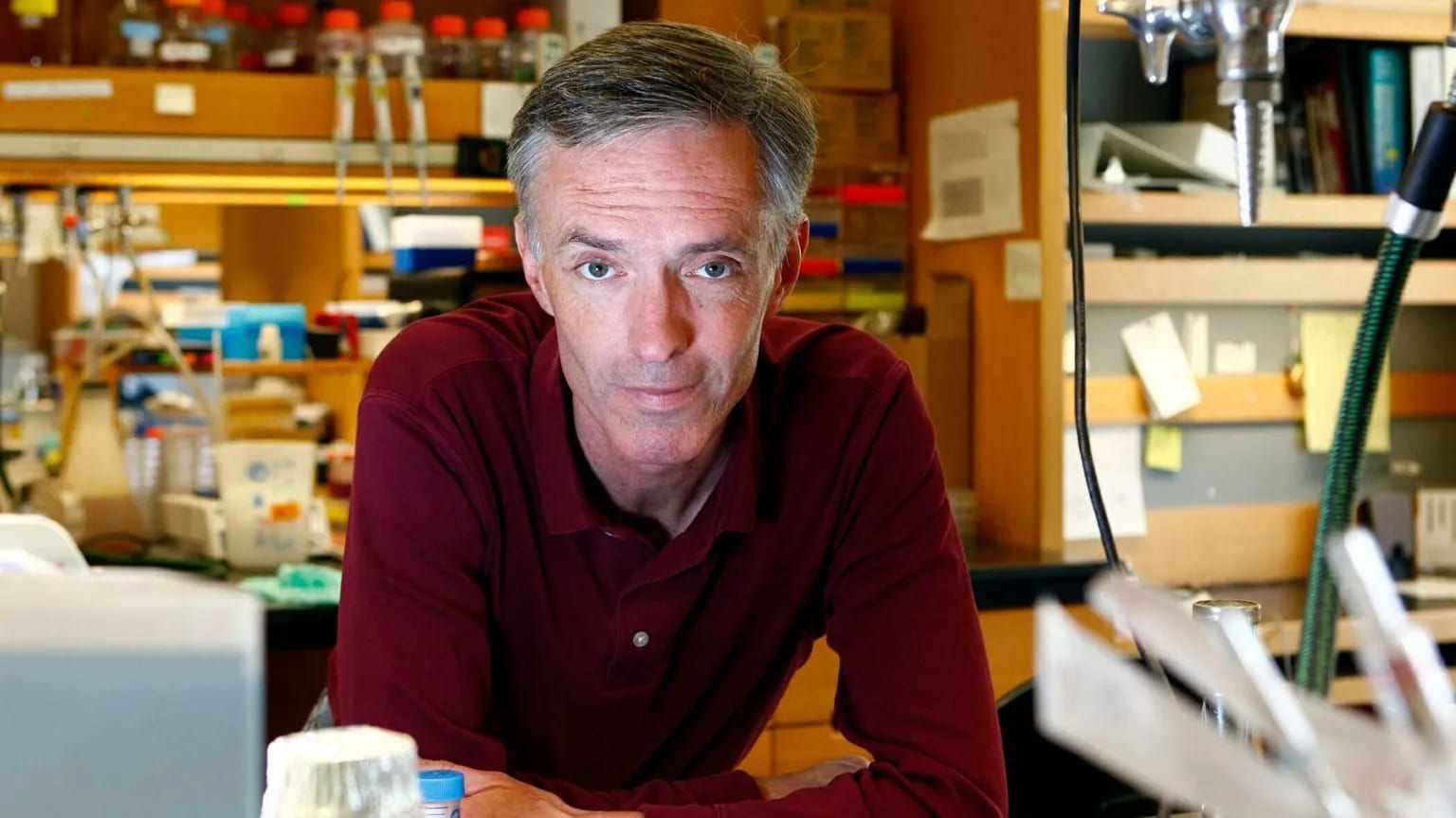
Professor James Collins of MIT, one of the researchers, expressed enthusiasm about how generative AI can design entirely new antibiotics cheaply and quickly. According to him, this will help expand the arsenal against superbugs that have evolved resistance to existing drugs. Antibiotics kill bacteria, but overuse has led to resistant infections now causing more than one million deaths annually. There has been a lack of new antibiotics for decades.
However, these compounds are not yet ready for clinical trials. They need further refinement, which could take one to two years before human trials begin. The researchers emphasize the need for better models that predict effectiveness in the body, not just in the laboratory. Of the 80 candidates designed to fight gonorrhea, only two could be produced, highlighting the challenges involved in synthesis.
Expert Reactions
Dr. Andrew Edwards of the Fleming Initiative and Imperial College London described the work as "highly significant" with "enormous potential" because it demonstrates a new approach to antibiotic discovery. At the same time, he cautioned that testing safety and effectiveness remains a challenging process with no guarantee of success.
Professor Chris Dowson of the University of Warwick described the study as "cool" and a significant step forward in using AI to discover antibiotics, which will help combat resistance. However, he mentioned an economic problem: new antibiotics should be used as sparingly as possible to maintain their effectiveness, making it difficult for manufacturers to turn a profit.
Source: www.bbc.com/


