

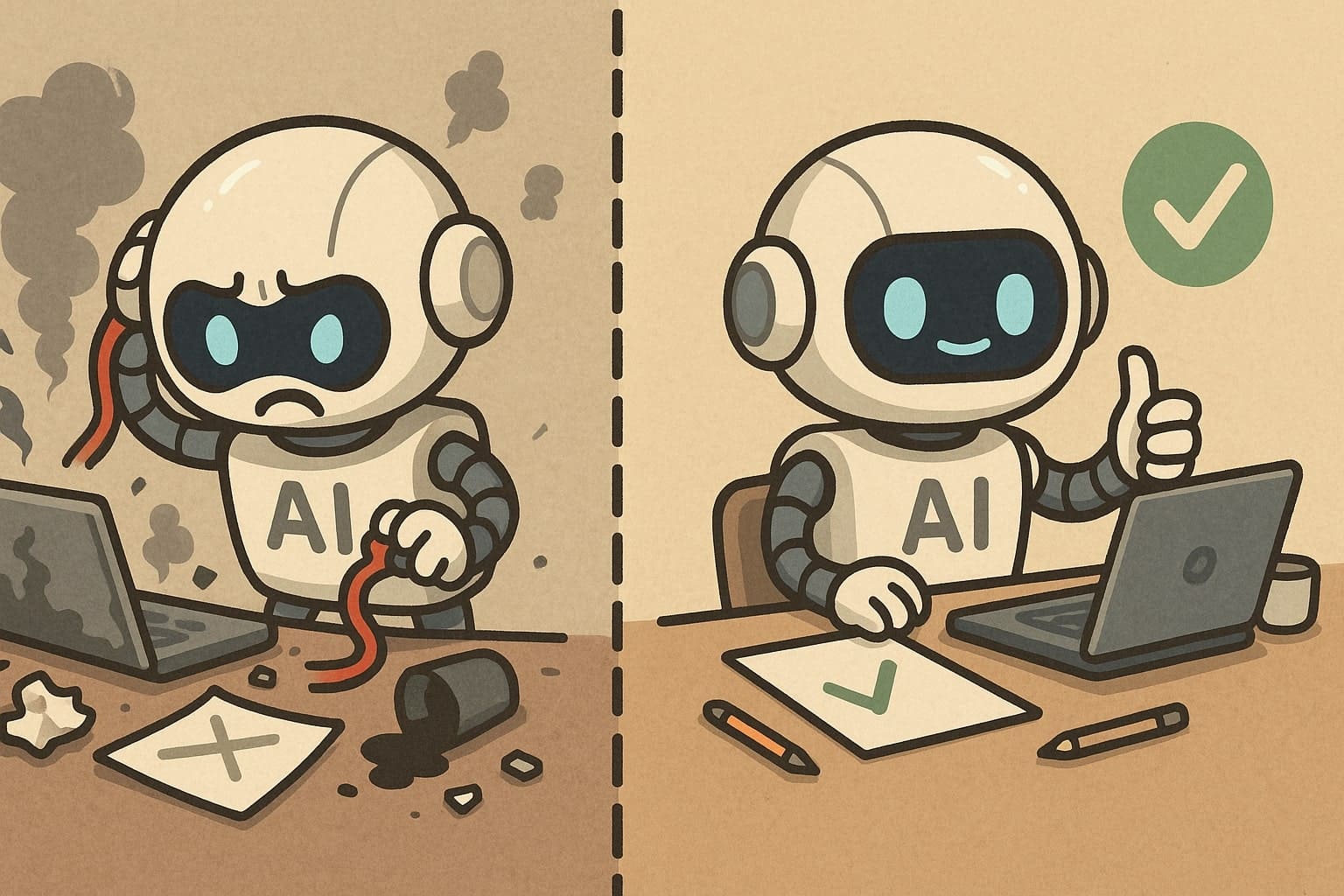
AI Agents: Science Fiction Is Not Yet Reality
It all started with J.A.R.V.I.S. Yes, the one from the Marvel films, where this artificial intelligence assistant helps Iron Man. Although it may not have started there exactly, this fictional system has significantly influenced the idea of AI agents. People in the field of artificial intelligence whom Hayden Field spoke with often mention J.A.R.V.I.S. as the ideal example—a system that knows what you need to do before you even say it, can analyze vast amounts of data, identify key information, and even provide strategic advice or manage parts of your work. Interviews with experts suggest that such an assistant should be able to anticipate needs and work independently, which is exactly what makes J.A.R.V.I.S. so appealing.
The term "AI agent" (artificial intelligence agent) has been around for a long time, but it truly became widespread in 2023, when it became a hot topic in the technology industry. Unlike ordinary chatbots, which merely answer questions, AI agents are designed to handle complex, multi-step tasks independently, without constant supervision. They create their own list of subtasks that they must complete to achieve the goal you assign them. That sounds amazing, but in practice it is not yet as perfect as many would like.
What Today's AI Agents Can Really Do
Today, AI agents are getting closer to handling autonomous tasks such as browsing the internet, scheduling meetings, or managing emails, all without constantly bothering you with questions. They can understand natural language, so you can talk to them as you would to a person rather than a computer that requires precise commands. For example, they can analyze context, anticipate your needs, and propose solutions, making them more like proactive collaborators than merely passive tools.
In practice, this means that an AI agent can independently connect various systems—such as a calendar, email, and a search engine—to automate routine activities. If you tell it to plan a trip, it will break the task down into steps on its own: find flights, book a hotel, and notify you about the weather. This is all thanks to advanced learning models that gradually improve by learning from your preferences and adapting to new situations. In fields such as healthcare, systems like these are already helping to schedule appointments, monitor patients' symptoms, and handle communication, making the work of doctors and nurses easier.
Limitations and Why It Is Not Perfect Yet
Although AI agents are improving, they are still not ready for full deployment in everyday life. Many things simply do not work as they should—for example, complex tasks require supervision because agents can fail in unexpected situations. Hayden Field emphasizes in her article that although the dream of a perfect assistant like J.A.R.V.I.S. is close, reality is full of obstacles. Agents are not yet able to handle high-risk tasks without errors, and they may never overcome some limitations.
Another issue is security and privacy—as soon as agents gain access to sensitive data, the risk of misuse increases. The future is moving toward greater autonomy and reliability, but for now, we must expect these systems to require human intervention to operate safely. The trend accelerated in 2023, but the road to a true J.A.R.V.I.S. is still a long one.
Where It Is Heading
The development of AI agents is continuing rapidly, with an emphasis on making them true digital partners capable of handling complex aspects of life with minimal supervision. While in the past this was mostly science fiction, today it is becoming a reality in small steps—from automating office tasks to providing assistance in everyday life. Hayden Field concludes that although they are not yet ready for real-world deployment, they are improving every day thanks to advances in learning and integration. If successful, they could change how we work and live, but for now, it is important to remain realistic.


