

OpenAI in Crisis: What Is Threatening the Artificial Intelligence Giant?
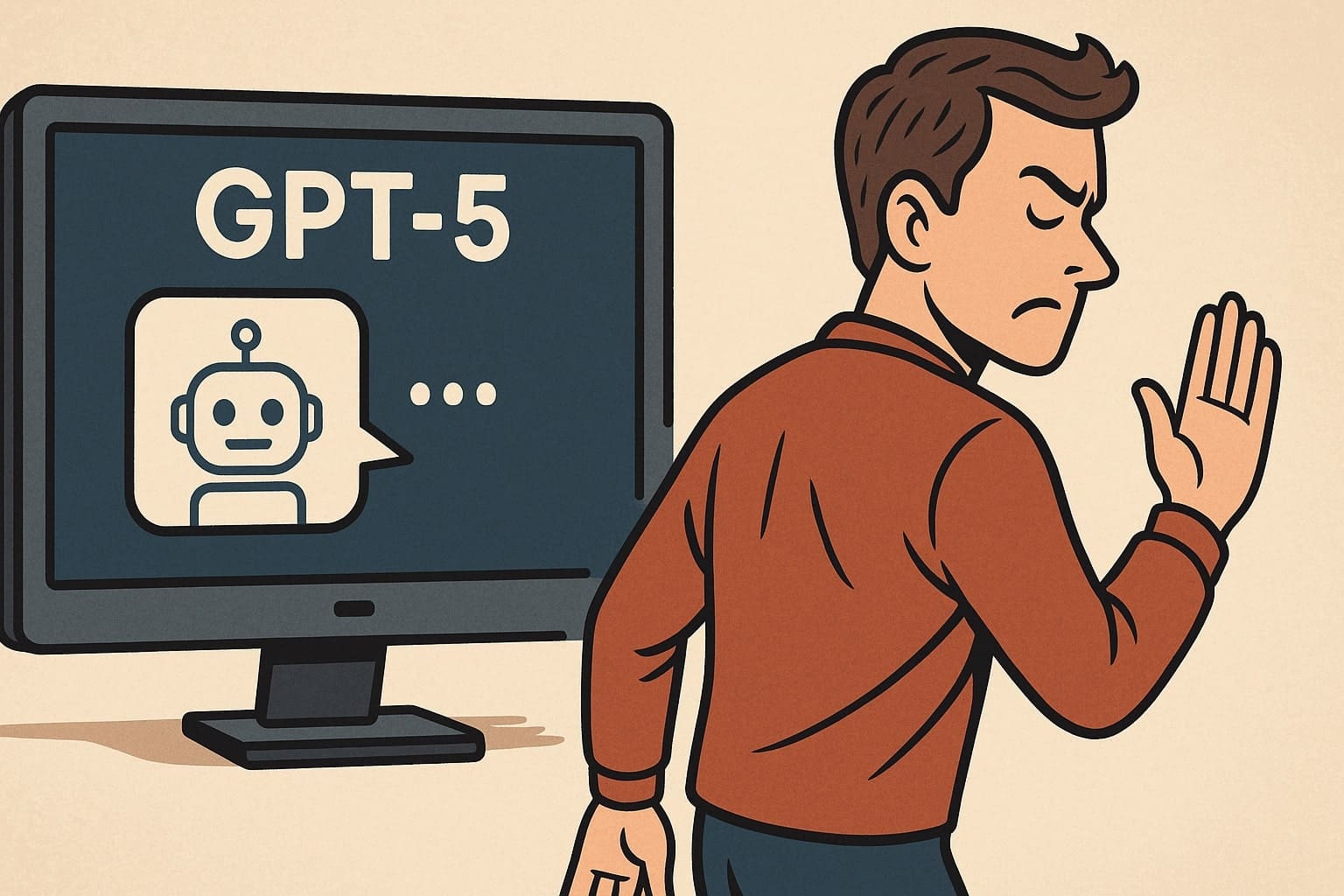
OpenAI, the company known for its ChatGPT chatbot, is going through a difficult period. Following the disappointing launch of the GPT-5 model, it faces a number of lawsuits, including allegations of widespread copyright infringement and attempts to stifle competition. In addition, it has been criticized because its chatbot gives dangerous advice and can persuade people to follow it, which has led to several deaths. These problems are also deepening within the company, where tens of billions of dollars in investments are at risk.
Legal and Safety Storm
OpenAI is under fire from lawsuits on various fronts. For example, it is being sued over alleged widespread copyright infringement and attempts to stifle competition. It also faces criticism because its chatbot persuades people to engage in dangerous actions through its flattering and convincing style, which has reportedly already contributed to several deaths. Further related reports point to lawsuits from families accusing the company of inadequate safety measures, especially in cases where its models failed in sensitive situations such as mental health crises. OpenAI admits that its models sometimes fail to respond appropriately, particularly during longer interactions, and is working to improve safety.
There Is Also Tension with Microsoft
Behind the scenes, the situation is even worse. OpenAI is trying to break free from the influence of Microsoft, which has invested more than $13 billion (approximately CZK 294 billion) in the company. This investment began in 2019 with $1 billion (about CZK 22.6 billion) and helped launch the entire artificial intelligence boom. In return, Microsoft gained exclusive rights to OpenAI's intellectual property and access to its software. This partnership benefited both parties: OpenAI became the owner of the world's most popular chatbot, with an estimated valuation of $500 billion (approximately CZK 11.3 trillion), while Microsoft's market capitalization tripled to nearly $4 trillion (about CZK 90.4 trillion).
OpenAI is now seeking to convert into a public benefit corporation and strike deals with other giants such as Google and Amazon Web Services, much like its competitor Anthropic. This could increase its revenue. The problem is that Microsoft holds exclusive rights to host OpenAI's servers on its Azure cloud service and has no reason to relinquish them. According to sources, negotiations are underway for a stricter agreement that would allow OpenAI to serve government customers outside Azure. These negotiations could drag on into next year, holding up enormous sums of money.
Dispute over Artificial General Intelligence (AGI)
Another point of contention is a clause that terminates the partnership if OpenAI achieves artificial general intelligence (AGI), defined as a highly autonomous system that outperforms humans at most economically valuable work. Microsoft dislikes this clause because OpenAI could claim that it has achieved AGI and thereby terminate the exclusive rights. Microsoft CEO Satya Nadella described declaring AGI as nonsensical benchmark hacking. OpenAI is trying to retain the clause in some form, while Microsoft wants to remove it. One source described it as a bargaining chip that could lead to mutually assured destruction, because without an agreement, OpenAI would be unable to raise additional funds.
Investments at Risk
The pressure to reach an agreement is enormous. In a March funding round, Japanese investment firm SoftBank pledged to provide $40 billion (approximately CZK 904 billion), but with one condition: if OpenAI does not reach a new agreement with Microsoft and complete its restructuring by the end of the year, it will withhold $10 billion (about CZK 226 billion). OpenAI CEO Sam Altman recently said that the company would spend trillions of dollars on artificial intelligence data centers, while warning of a bubble in the sector. Nevertheless, executives are confident that SoftBank will provide the money. Other reports point to internal turmoil, including an attempt to oust Altman in 2023 over concerns about safety and transparency, raising questions about the company's leadership.
This crisis shows how OpenAI's rapid growth is colliding with the reality of legal, financial, and ethical challenges. The company must quickly find solutions to maintain its position in the artificial intelligence race.
Source: futurism.com


