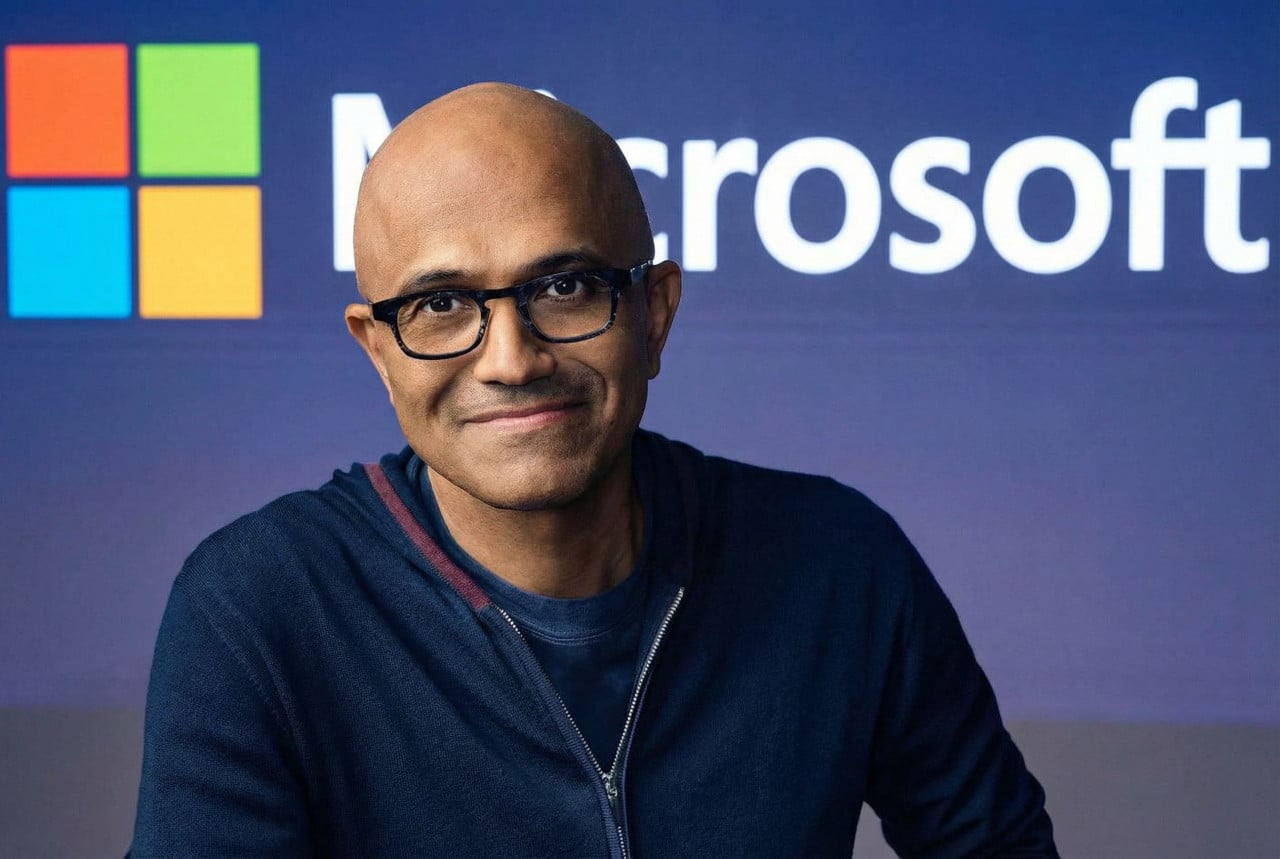
Satya Nadella, CEO of Microsoft, boasted to Mark Zuckerberg at the LlamaCon conference in late April 2025 that 20 to 30 percent of all code in the company's repositories is now written by artificial intelligence. The exact metrics were not specified, but the figure hung in the air. And the community of Windows developers and users quickly asked the question: where is all that code actually going? The most likely answer? Straight into Windows 11.
January mayhem in Windows
January 2026 has been dubbed the "catastrophic start to the year" in tech circles. The KB5074109 update released on Patch Tuesday, January 13, was supposed to fix more than 100 security flaws. Instead, it caused a series of problems that forced Microsoft to release two emergency patches in just two weeks. What exactly stopped working?
Outlook Classic kept freezing and remained in memory as a zombie process even after being closed. Remote Desktop refused login attempts to Windows 365 and Azure Virtual Desktop. Notepad and Snipping Tool refused to launch. Some computers stopped shutting down or entering sleep mode properly. On top of that, Microsoft 365 suffered outages lasting nearly 14 hours.
This is just the tip of the iceberg—basic functions without which businesses cannot operate.
“Almost all key Windows 11 features are broken"
That is what international media wrote after the November 2025 controversy, when Microsoft unusually openly acknowledged systemic problems. Following cumulative updates released since July 2025, Start, the taskbar, File Explorer, and System Settings may stop working. Satirists immediately gave it a name: "Microsoft 364." Because apparently it cannot manage 365 days a year without an outage.
Coincidentally, at the same time, Windows chief Pavan Davaluri faced criticism for presenting a vision of Windows as an "agentic operating system of the future" instead of fixing existing features. Users responded simply: first, fix what you already have.
Is vibe coding the real problem?
The term "vibe coding" was coined by OpenAI co-founder Andrej Karpathy. It is an approach in which a developer gives an AI model instructions in natural language and lets it generate code. The result looks impressive. Thousands of lines of code in a matter of minutes. But the longer you look at the output, the more cracks you begin to see.
The Vib-OS project, an operating system built entirely using vibe coding, served as evidence. YouTuber Tirimid spent hours testing it, and the results were thought-provoking. Buttons in the file manager did not respond. Notepad did not save files. The Snake game only half worked. An application labeled "Browser" turned out to be an image viewer. And Doom, which the documentation promised, could not be launched at all. The AI may have simply made it up.
One of the comments under the video read: "You found an early version of Windows 12."
Microsoft cannot back down. Even if it wanted to
As Michael Swengel, a technology journalist with more than thirteen years of IT experience, writes: Microsoft has become trapped by its own rhetoric. For years, it has promoted AI as the tool of the future. It crammed Copilot into Paintbrush, Notepad, and Photos. It invested billions in OpenAI. It built an entire data infrastructure. If it were to admit now that AI-generated code is not good enough for production, it would be shooting itself in the foot.
But user distrust is growing. Swengel writes about how Windows updates repeatedly reinstall Copilot even after it has been manually removed. About mandatory sign-ins with a Microsoft account. About telemetry built into the system with no option to disable it. "Microsoft has lost my trust," he says openly.
And he is not alone. Klaus Belsner, a small business owner, wrote under one of the articles: after pressure from the Trump administration against Europe and the constant effort to push customers into the cloud, he stopped hesitating. He is switching to Linux.
Neowin's editors summed it up clearly: Microsoft has fallen into a Schrödinger's trap. Either it is putting AI-generated code into Windows, in which case the failures are understandable. Or it is not, in which case it is selling others something it does not believe in itself.
Satya Nadella recently said that AI must deliver "real value." Perhaps it is time he started taking that advice seriously at home as well.
Additional sources: neowin.net and futurism.com