

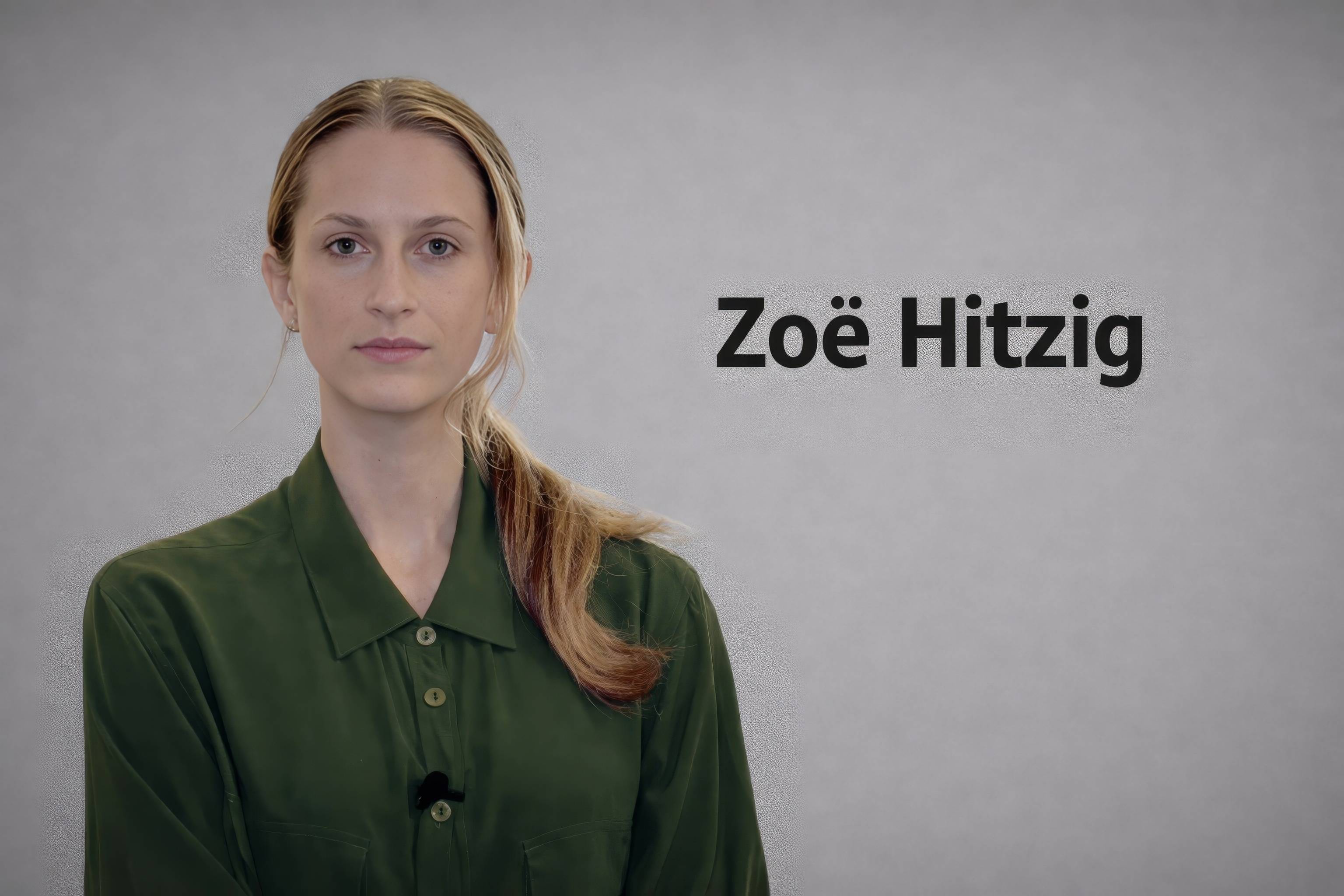
Zoë Hitzig, an economist and member of the Harvard Society of Fellows, has resigned from her position at OpenAI. She announced her departure on Wednesday in an article in The New York Times, with her resignation coming on the very day the company began testing ads in ChatGPT in the US. Hitzig spent two years at OpenAI, where she helped shape how AI models are created and evaluated.
In her statement, she wrote: "I once believed that I could help the people building AI get ahead of the problems they would create. This week confirmed my slow realization that OpenAI appears to have stopped asking the questions I joined to help answer."
Similarities to Facebook's evolution
In her article, Hitzig directly compared OpenAI's strategy to Facebook's history. She recalled that when the social network first introduced ads, it also promised users control over their data and the ability to vote on policy changes. However, those promises gradually faded over time. In 2011, the Federal Trade Commission (FTC) found that privacy changes Facebook had presented as giving users greater control were actually doing the exact opposite. "I believe that the first version of ads will probably follow these principles. But I fear that subsequent versions will not, because the company is building an economic engine that creates powerful incentives to break its own rules," Hitzig warned.
Hitzig emphasized that ads are not inherently immoral, but the nature of the data at stake makes ads in ChatGPT particularly risky. Users have shared medical concerns, relationship problems, and religious beliefs with the chatbot, often because they believed they were talking to something with no hidden agenda.
"People tell chatbots about their health concerns, relationship problems, and views on God and the afterlife. Advertising built on this archive creates the potential to manipulate users in ways we do not understand, let alone know how to prevent," Hitzig wrote. According to her, this archive of human candor is unprecedented.
Ads in ChatGPT
OpenAI announced in January that it would begin testing ads in the US for users of the free version and the $8-per-month subscription (approximately CZK 185). Paying users on the higher-tier Plus, Pro, Business, Enterprise, and Education plans will not see ads. The company said that ads would appear at the end of ChatGPT responses, would be clearly labeled, and would not influence the chatbot's answers.
However, OpenAI's support documentation reveals that ad personalization is enabled by default. If it remains active, ads will be selected based on information from current and past conversations, as well as interactions with ads. OpenAI claims that advertisers do not receive users' chats or personal data and that ads will not appear in conversations about health, mental health, or politics.
Optimizing for user dependence
Hitzig pointed to an existing tension in OpenAI's principles. While the company says that it does not optimize user activity solely to generate advertising revenue, reports suggest that OpenAI is already optimizing for daily active users, "probably by encouraging the model to be more flattering and sycophantic."
She warned that this optimization could make users feel more dependent on AI models. Psychiatrists have already documented cases of "chatbot psychosis" and allegations that ChatGPT reinforced suicidal thoughts. OpenAI currently faces several wrongful death lawsuits, including one alleging that ChatGPT helped a teenager plan his suicide and another claiming that it validated a man's paranoid delusions about his mother before a murder-suicide.
Alternative solutions
Instead of debating ads versus no ads, Hitzig proposed several structural alternatives. These include cross-subsidies based on the FCC's Universal Service Fund model (in which businesses paying for high-value AI work would subsidize free access for others), independent oversight boards with binding authority over how conversational data is used for ad targeting, and data cooperatives in which users retain control over their information.
Hitzig concluded her article by saying: "I am most concerned about two outcomes: technology that manipulates the people who use it for free, and technology that exclusively benefits the few who can afford to use it."
Wave of departures in the AI industry
Hitzig was not the only prominent AI researcher to publicly resign this week. On Sunday, Mrinank Sharma, who led the safeguards research team at Anthropic, announced his departure in a letter warning that "the world is in danger." He wrote that he had "repeatedly seen how difficult it is to truly let our values guide our actions" within the organization.
Today is my last day at Anthropic. I resigned.
— mrinank (@MrinankSharma) February 9, 2026
Here is the letter I shared with my colleagues, explaining my decision. pic.twitter.com/Qe4QyAFmxL
On Monday, Yuhuai "Tony" Wu, a co-founder of xAI, also resigned, followed on Tuesday by another co-founder, Jimmy Ba. At least nine xAI employees, including two co-founders, publicly announced their departures over the past week. Six of the company's 12 original co-founders have now left.
Competitors' reactions
Hitzig's departure comes amid a debate in the AI industry over ads in chatbots. Anthropic declared that Claude would remain ad-free, and during the Super Bowl it aired commercials with the slogan "Ads are coming to AI. But not to Claude," showing AI chatbots awkwardly inserting products into personal conversations.
OpenAI CEO Sam Altman called the ads "funny" but "clearly dishonest" and wrote that OpenAI "would obviously never run ads in the way Anthropic portrays them." He described the ad-supported model as a way to bring AI to users who cannot afford a subscription.
Google DeepMind CEO Demis Hassabis expressed similar concerns, warning that the rushed introduction of ads into AI assistants could undermine user trust. "I'm a little surprised they moved to this step so soon. In the assistant space, if you think of a chatbot as an assistant that is supposed to be helpful, there is a question of how ads fit into that model. You want to trust your assistant, so how does that work?" he asked.
Sources: nytimes.com and arstechnica.com


