

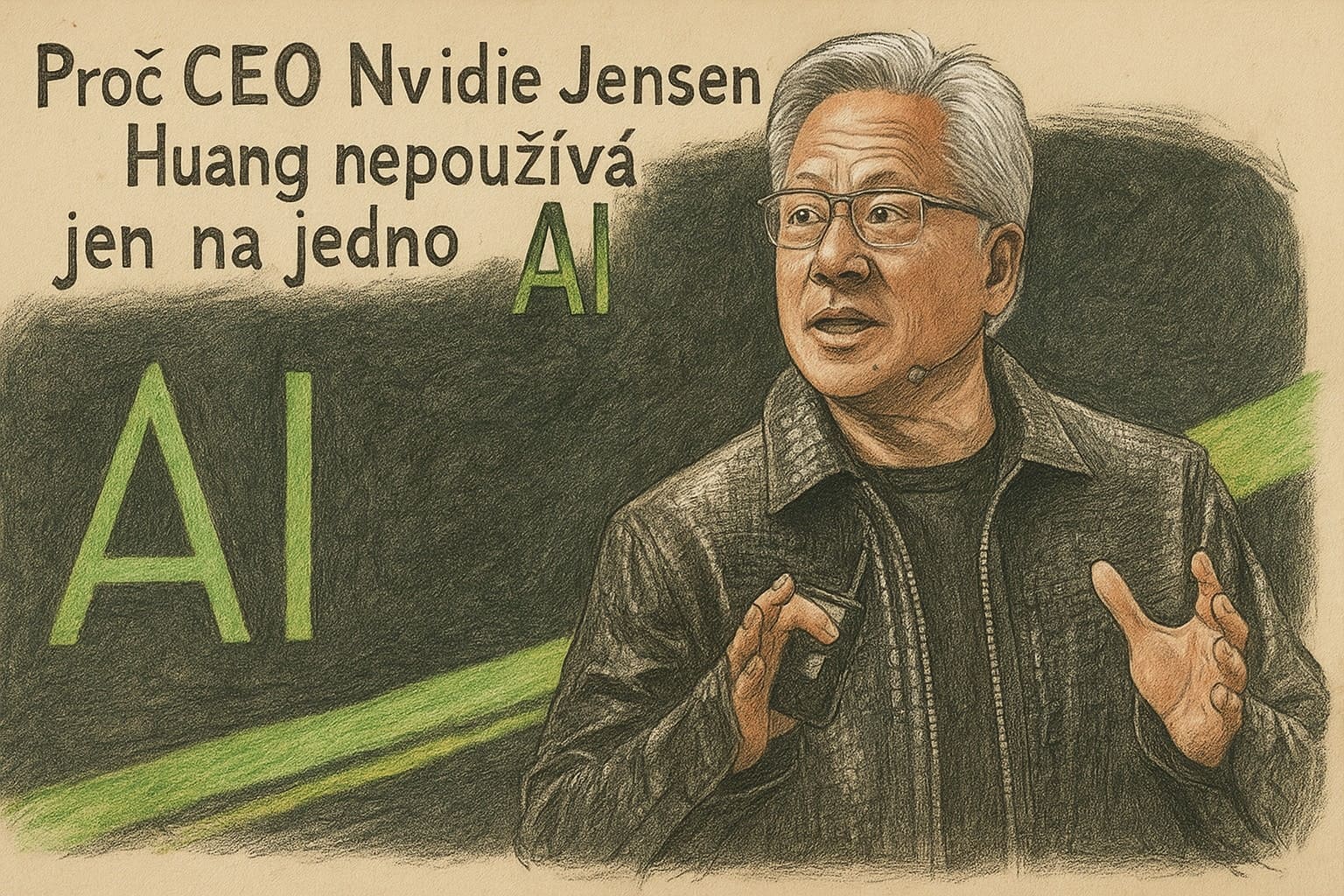
Why Nvidia CEO Jensen Huang Doesn't Rely on Just One AI
Jensen Huang, co-founder and CEO of Nvidia, has an interesting approach to using artificial intelligence. In an interview for CNN's "Fareed Zakaria GPS," which aired on Sunday, he explained that he is not satisfied with an answer from just one artificial intelligence tool. Instead, he asks multiple artificial intelligence systems the same questions and has them critique one another's answers. "When I get an answer from artificial intelligence, I don't just accept it. I usually say, 'Are you sure that's the best answer you can give me?'" Huang said in the interview.
Comparison to Doctors: Why Seek Multiple Opinions?
Huang compared his approach to a patient consulting multiple doctors about a diagnosis. "You know, this is no different from getting three opinions. Three doctors' opinions. I do the same thing. I ask multiple artificial intelligences the same question. And then I ask them to compare notes with one another and give me the best of all the answers," he added. This approach helps him obtain more comprehensive and reliable information, especially in areas that are new to him.
At the Milken Institute Global Conference in May, Huang revealed that he uses artificial intelligence for training every day. "In areas that are quite new to me, I might say, 'Start explaining it to me as if I were a twelve-year-old,' and then gradually move up to the PhD level," he told conference attendees. He is not alone—for example, Satya Nadella, CEO of Microsoft, mentioned in an interview with Bloomberg in May that he uses Microsoft Copilot to summarize emails and prepare for meetings.
Huang Thinks AI Helps People Think. What Do Studies Say?
Huang responded to host Fareed Zakaria's question about the impact of artificial intelligence on cognitive skills. Zakaria mentioned an MIT study that examined 54 participants and found that using tools such as ChatGPT when writing essays has "cognitive consequences." Huang admitted that he had not read the study, but shared his experience: "I use artificial intelligence literally every day, and I think my cognitive skills are actually improving." According to him, interacting with artificial intelligence requires active thinking—formulating questions, analyzing, and reasoning. "When I interact with artificial intelligence, it's a system of questions. To ask a good question, you have to think. You have to be analytical. You have to reason for yourself," he explained.
Jensen Huang's approach shows how leaders in the technology industry can use artificial intelligence not only for automation, but also to strengthen their own decision-making. If you are looking for inspiration, try it yourself—you may be surprised by how much it enriches your everyday tasks.


