

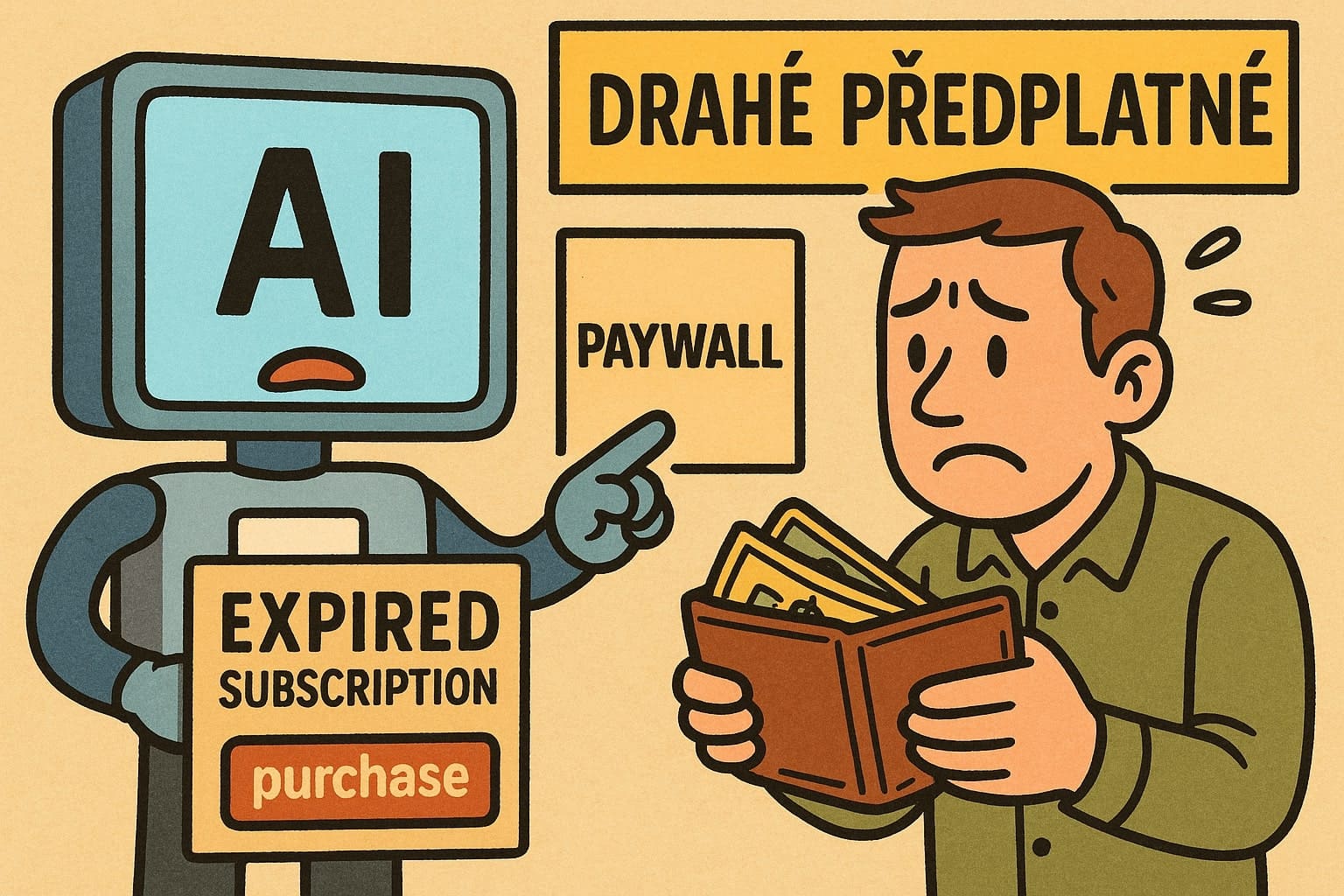
Why Is AI Too Expensive for Unlimited Subscriptions?
Artificial intelligence (AI) promises a revolution in many areas, but its high costs stand in the way of dreams of unlimited access. A recent article by Finn from The Bill, Please blog examines why companies like Anthropic face a wave of criticism from users when they introduce limits on their services. For example, the Claude Max subscription faced criticism on platforms such as Reddit, X, and Hacker News after weekly usage limits were introduced. Users feel misled because they expected truly unlimited access, but the reality is different. Finn points out that this is not an isolated case—tools such as Cursor, Windsurf, and GitHub faced similar problems earlier in the year.
Why Coding Tools Have More Pricing Scandals
According to Finn's analysis, pricing issues arise primarily with coding tools such as Claude Code and Cursor. The reason is simple: when programming, people need a smooth workflow that allows them to focus on completing a project. Projects vary—sometimes it is a quick ten-minute bug fix, while other times it is a five-hour effort to build a new feature. If you hit usage limits, you must either continue without key AI features, save your credits for smaller tasks, or worry about a ballooning bill. All of this disrupts the user experience.
By contrast, limits are less problematic in other areas, such as AI for customer support or marketing. For example, in an AI search engine optimization (SEO) tool, you run a discrete task, such as analyzing mentions of your company, and if you run out of credits, you simply wait—it does not interrupt you halfway through your work. Likewise, customer support conversations are usually short and predictable, without extreme fluctuations. Finn emphasizes that coding tools are trapped: they want to offer generous or unlimited usage for an ideal experience, but it is not economically viable.
This mismatch between pricing strategy and product usage leads to frustration. Brendan O'Leary from the open-source startup Kilocode summarized it in an article that reached the top spot on Hacker News: "Stop selling 'unlimited' when you mean 'until we change our minds.'" Ben's Bites then called it "Claude closed," underscoring how quickly sentiment can turn.
Should All Access Be Pay-As-You-Go?
Finn explores alternatives such as the pay-as-you-go model used by Kilo Code. This open-source coding tool makes no profit from its VS Code extension or API. Instead, you pay exactly for the tokens from providers—you can bring your own API key or use locally hosted models. This is a commendable approach that gives users full control.
Nevertheless, Finn points out the drawbacks: paying for tokens means constantly monitoring spending. Even with cost-control features, the workflow is interrupted when you hit a limit. Moreover, AI models are currently too expensive to enable the truly unlimited subscriptions users want. Additional information confirms that AI costs include not only subscriptions but also infrastructure such as cloud computing, which quickly adds up. For example, open-source models have no licensing fees, but they require investment in servers, energy, and security, causing the total cost to be underestimated.
Research shows that prices for advanced models can range from $0.03 to $0.12 per 1,000 input tokens and from $0.06 to $0.25 per 1,000 output tokens, with additional training costs of up to $100 per hour. These hidden expenses, such as rising cloud bills, make unlimited access unaffordable for most companies.
Where Is AI Pricing Headed?
Finn compares the current situation to the early days of mobile internet, when even pressing the connect button was expensive. Today, we stream videos without concern thanks to unlimited plans. Likewise, technology usually becomes cheaper—we can see this with open-source models such as DeepSeek and Mistral, which are less expensive than proprietary models from Anthropic or OpenAI.
According to available data, AI costs are falling, but they still include per-user pricing (for example, $20–$30 per user per month), which can add up to hundreds of thousands of dollars per year for large organizations. Finn predicts that in a few years, we will look back on these high prices as a thing of the past. Perhaps we will then use AI agents in unlimited coding environments without worrying about limits.
This development shows that while AI is expensive, open-source innovation and declining computing costs could bring a more affordable future. For now, however, companies such as Kilocode are leading the way with a transparent model that respects economic reality.


