

ChatGPT as a Personal Tutor: What the New Study Mode Offers
Whether you are a student preparing for exams or simply a curious person looking to explore new concepts, the new study mode in ChatGPT brings a change. Introduced on July 29, 2025, this tool is designed to help you work through problems step by step instead of simply providing quick answers. It is available to logged-in users on the Free, Plus, Pro, and Team plans, and it will soon be available in ChatGPT Edu as well. According to the official announcement, ChatGPT is becoming one of the most widely used educational tools in the world, with students using it to tackle challenging homework, prepare for tests, and explore new ideas.
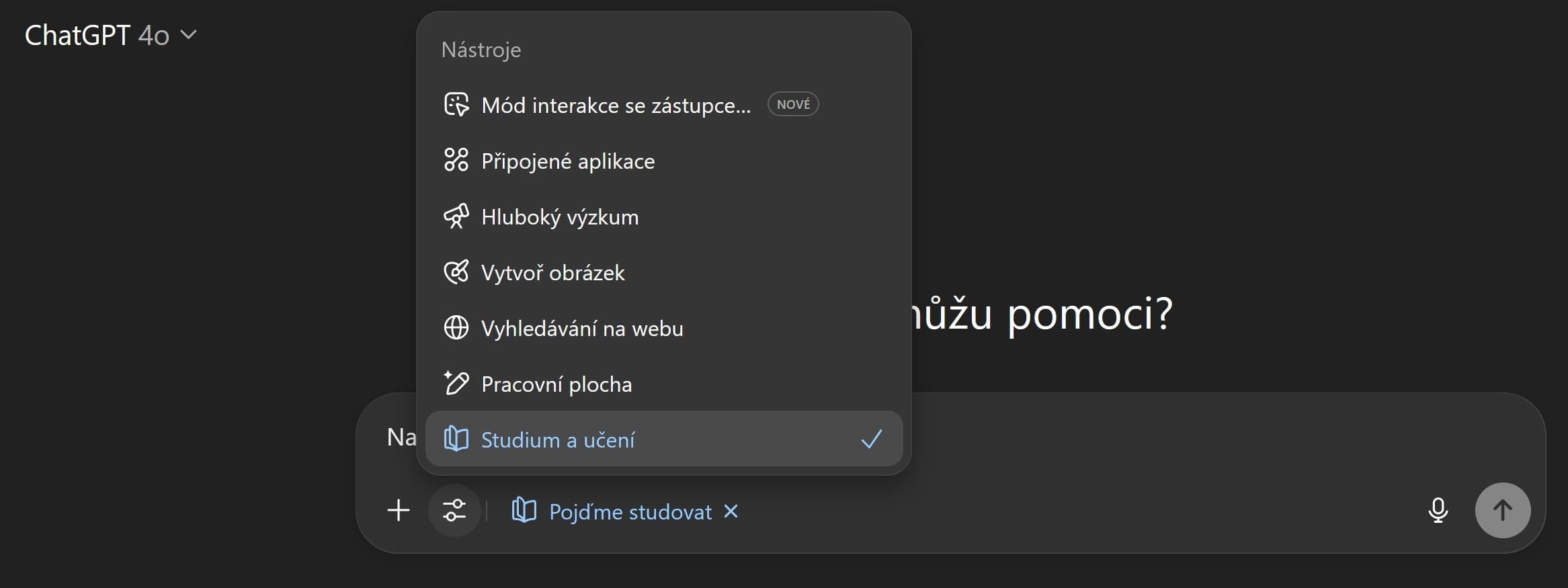
Study mode addresses a key question: How can we ensure that AI supports genuine learning rather than merely providing quick solutions without understanding? When you activate it, you will encounter guiding questions that tailor the responses to your goals and level of knowledge. It is interactive and engaging, focused on helping you learn something rather than simply complete a task. For example, if you ask about a complex concept, the mode will guide you through questions that encourage active engagement and deeper understanding.
How Study Mode Was Created
Under the hood, study mode is powered by special system instructions developed in collaboration with teachers, scientists, and educators. These instructions reflect core principles of deeper learning, such as encouraging active participation, managing cognitive load, developing metacognition and self-assessment, fostering curiosity, and providing actionable and supportive feedback. These elements are based on long-standing research in the science of learning and influence how the mode responds to students.
Robbie Torney, senior director of AI programs at Common Sense Media, described it by saying that rather than doing the work for students, the mode encourages them to think critically about their learning. According to him, this is a positive step toward the effective use of AI in education because, even in the AI era, the best learning happens when students are excited and actively engaged with the material. It is part of OpenAI's broader effort to make AI a responsible educational tool that promotes genuine understanding rather than shortcuts.
Key Features of Study Mode
Study mode offers several practical features that make it useful. Interactive prompts combine Socratic questions, hints, and self-assessment prompts to guide users toward understanding and encourage active learning instead of providing answers directly. Responses are structured into easy-to-follow sections that highlight key connections between topics, keep information engaging with the right amount of context, and reduce overload when dealing with complex subjects.
Personalized support adapts lessons to your level based on questions that assess your knowledge and memory from previous chats. Knowledge checks include quizzes and open-ended questions with personalized feedback that tracks progress, supports knowledge retention, and strengthens the ability to apply it in new contexts. Flexibility allows you to easily turn the mode on and off during a conversation, giving you the freedom to adapt it to your learning goals.
Other sources indicate that the mode can be adapted to different learning styles, such as flashcards, questions and answers, step-by-step breakdowns, or practice problems. It supports the integration of uploaded materials, such as PDFs, images, or class notes, and also works with voice dictation for hands-free studying. It is available on iOS, Android, the web, and desktop.
How Students Use Study Mode
Study mode was designed primarily for college students. During early testing, students such as Noah Campbell provided feedback, describing it as live, 24/7, all-knowing "office hours." Caleb Masi praised how effectively the mode breaks dense material down into clear, well-structured explanations. Maggie Wang tested it on the concept of sinusoidal positional encodings, which she had tried to learn many times before, and described it as a tutor that never gets tired of questions. After a three-hour session, she finally understood the concept well enough to feel confident.
Examples of its use include learning about game theory, where the mode provides a high-level plan with stages ranging from the fundamentals to applications in everyday life, including examples such as the prisoner's dilemma or the game of chicken. Students can specify how they want to learn—through flashcards, quizzes, or step by step, for example—and the mode adapts to their level of knowledge.
What Comes Next?
This is the first step in a longer journey toward improving learning in ChatGPT. Today, it is powered by special instructions, making it possible to learn quickly from real student feedback, although this may lead to some inconsistencies or errors. Plans include training this behavior directly into the core models based on iterations and feedback.
OpenAI is exploring additional features, such as clearer visualizations for complex concepts, goal setting and progress tracking across conversations, and deeper personalization based on the student's level and goals. Research into AI in education is continuing, including collaboration with partners in the NextGenAI initiative and Stanford University to study how AI affects learning outcomes in K-12 education.
In the long term, they plan to publish analyses of the connections between model design and cognition, shape future products based on these findings, and collaborate with the educational ecosystem to ensure that AI benefits students around the world.


