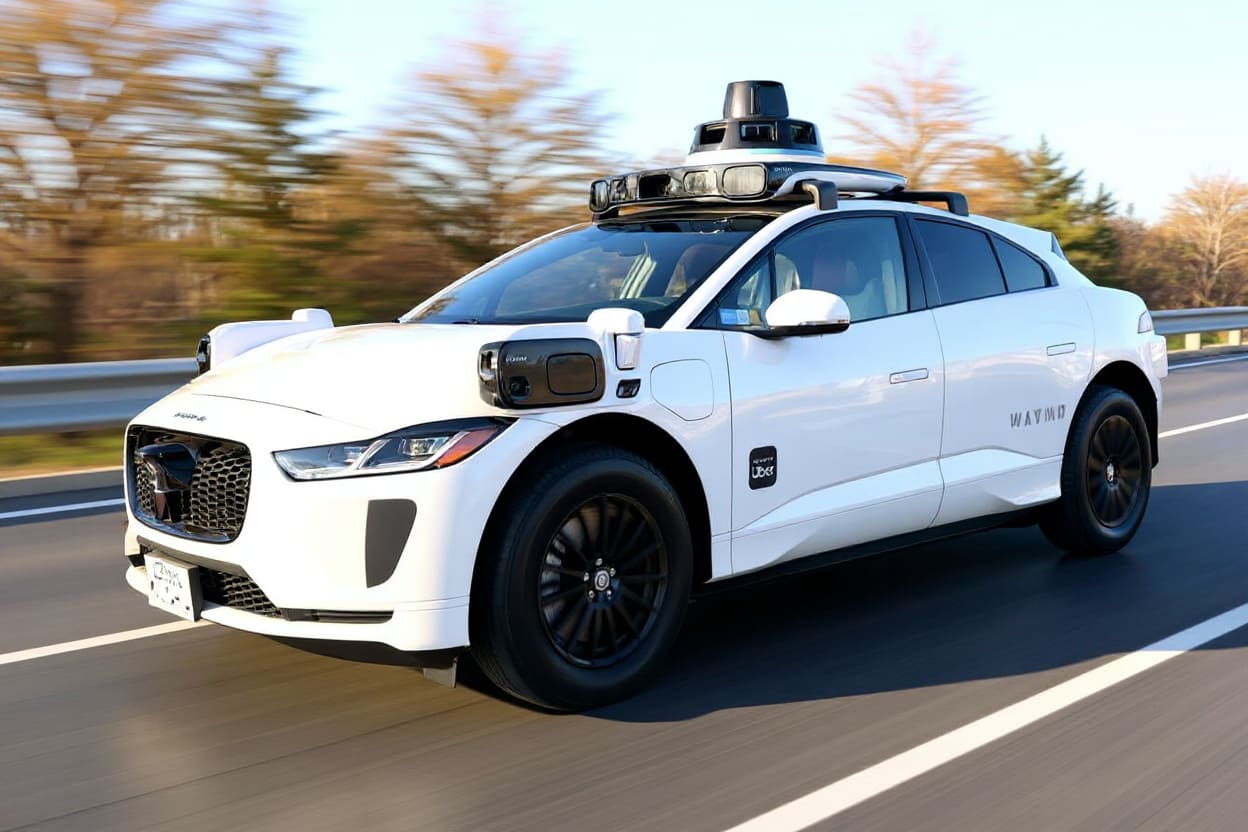
Waymo Robotaxis Outperform Human Drivers and Competitors on Safety
A peer-reviewed study analyzed the performance of these robotaxis over 56.7 million driverless miles and concluded that they are 85% safer than human drivers. These figures are not just a marketing gimmick—they come from real-world data and are slowly silencing even the biggest skeptics. Let’s look at exactly what these statistics mean and how Waymo is expanding.
Safety Statistics That Speak for Themselves
Imagine traveling without the risks that endanger millions of people every day. A study showed that Waymo reduces suspected serious injuries by 85% compared with human drivers, with a confidence interval of 39% to 99%. Overall injuries decrease by 79%, while airbag deployments in crashes fall by 91%. This is not abstract theory—the data comes from millions of real-world miles driven in urban traffic.
When we examine the types of crashes, the differences are even more pronounced. Intersection crashes, which account for 27% of fatal collisions, are reduced by 96%. Crashes involving pedestrians decrease by 92%, those involving cyclists by 82%, and those involving motorcyclists by 82% as well. Even single-vehicle crashes, often caused by driver error, are reduced by 93%. In 41 recent serious Waymo crashes, there were 37 cases in which other human drivers were at fault, mostly rear-end collisions when the Waymo vehicle was stopped or nearly stopped.
These figures are also supported by city-level data. In Phoenix, Waymo has no serious injuries per million miles, while human drivers have 0.12. In San Francisco, the figure is 0.07 compared with 0.47 for humans. In Los Angeles, Waymo has no serious injuries, compared with 0.14 for human drivers. Airbag deployments in San Francisco: 0.47 per million miles for Waymo versus 2.27 for humans. Overall, Waymo has 48% fewer police-reported crashes than average drivers.
Waymo recognizes the limitations of the data. Fatal crashes are rare—about 1.3 per 100 million miles in the US—and Waymo has not yet accumulated enough miles to draw firm conclusions about them. Nevertheless, with more than 100 million miles driven, including recent highway testing, these statistics signal enormous progress. The company uses 12 criteria to assess safety, including collision-avoidance testing, risk per million miles, compliance with traffic rules, and interactions with pedestrians. This includes gradual deployment, mileage limits, and the ability to stop immediately.
Waymo’s Expansion: From Cities to the Entire Country
With these safety figures, Waymo is accelerating its expansion. It already operates in San Francisco, Los Angeles, Phoenix, and Austin, where it provided more than 4 million rides in 2024 and logged 95 million miles by June 2025. It now provides 250,000 paid rides per week, five times more than a year ago and 25 times more than in May 2023.
It will soon arrive in new locations. In Nashville in 2026, it will partner with Lyft, with Lyft Flexdrive managing the fleet. SFO Airport has approved a three-stage rollout: first with a safety driver, then staff testing, and finally commercial operations. In Arizona, it is collaborating with Via to integrate the service into public transportation in Chandler as early as this fall. Launches in Atlanta, Miami, and Washington, D.C. are planned for 2026. The fleet consists of 2,000 vehicles and has provided more than 10 million paid rides in total.
Each Waymo vehicle now completes about 125 rides per week. If this pace continues, the company could reach one million rides per week by early 2026. In the cities where it operates, it already holds a significant market share, often offering rides through the Uber app at prices similar to those charged by human drivers, but without tips.
Competition and the Future of Autonomous Driving
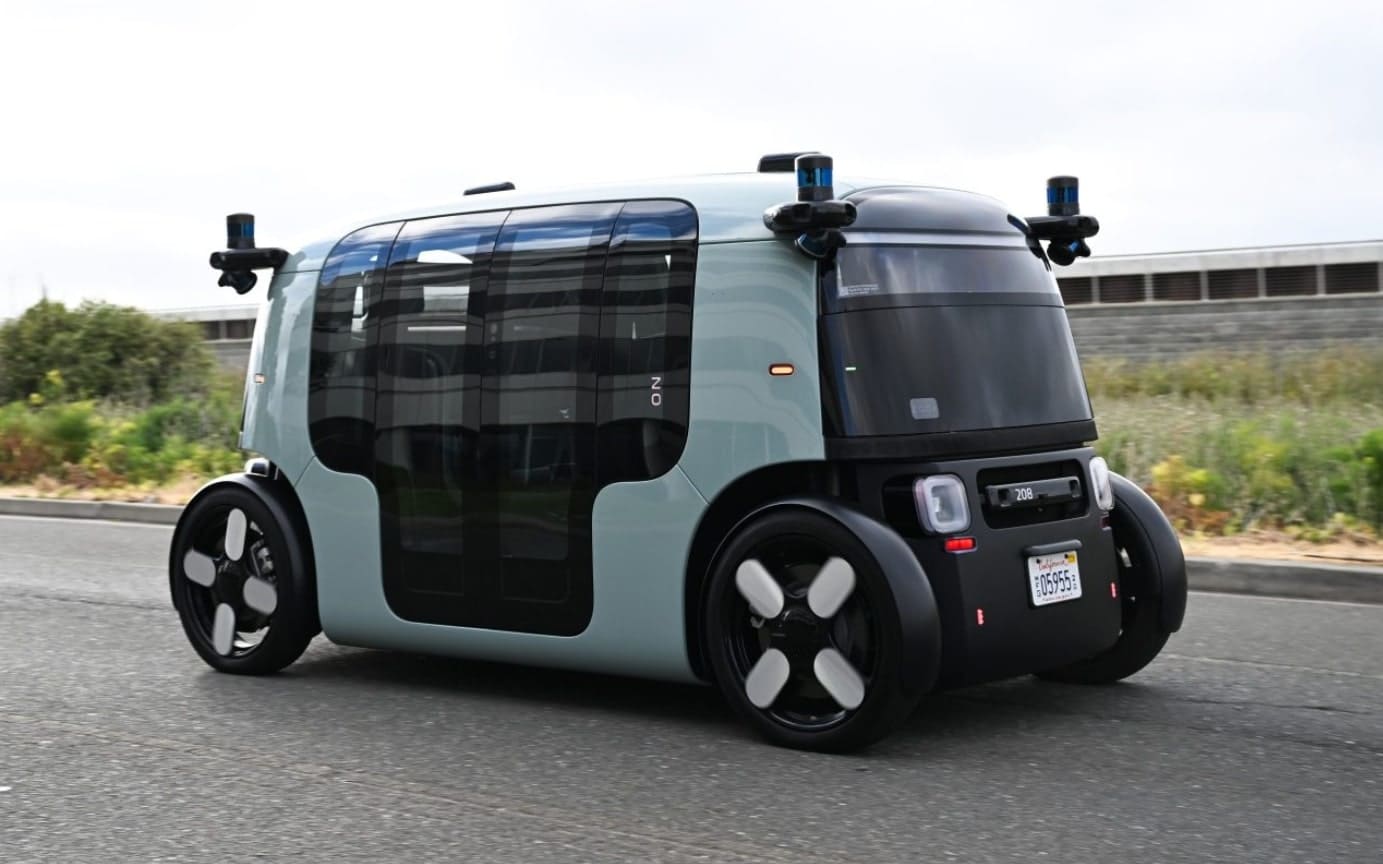
The competition is waking up, but Waymo remains in the lead. Amazon’s Zoox launched free rides in Las Vegas in September 2025 using vehicles without steering wheels or pedals that look like toasters on wheels. Chinese companies WeRide and Pony AI are testing in Singapore with Grab and ComfortDelGro, using 11 vehicles on 12-kilometer routes. Baidu Apollo Go is targeting Malaysia and Singapore.
Tesla launched its robotaxi service in Austin on June 22, 2025, but recorded three crashes in its first month with 12 vehicles and safety monitors. The app received 2 million downloads on its first day, but Musk has promised to remove human oversight by the end of 2025. Tesla has 3.6 billion miles of data from FSD, with 489 miles between interventions in version 13, but it needs 700,000 miles between critical errors to reach human performance levels. Waymo achieves about 17,000 miles between disengagements, which is ten times better, and according to ARK Research, 500,000 miles between police-reported collisions.
Waymo is also considering private ownership of vehicles that could earn money by providing rides, similar to Musk’s plan for Tesla. Alphabet’s Sundar Pichai hinted at this during an earnings call. However, policy is lagging behind—the NHTSA now evaluates performance rather than hardware, which will help companies such as Tesla. Cities such as NYC have approved Waymo testing, and Singapore is accelerating its approval process.
Nevertheless, obstacles remain: the need for more highway data, regulatory clarity, and public acceptance. People in Santa Monica have complained about noises from Waymo vehicles, while residents in LA have complained about idling vehicles blocking driveways. A Harvard Business School study says that people blame robots more than they blame humans. Ethan Mollick points to the lack of a political response, even though autonomous vehicles could reduce the 2.4 million injuries and 40,000 deaths that occur annually in the US by 85%.
Waymo is winning the battle for safety, but the road to mass adoption is still long. These statistics, however, prove that the future of driverless transportation is near—and safer.