

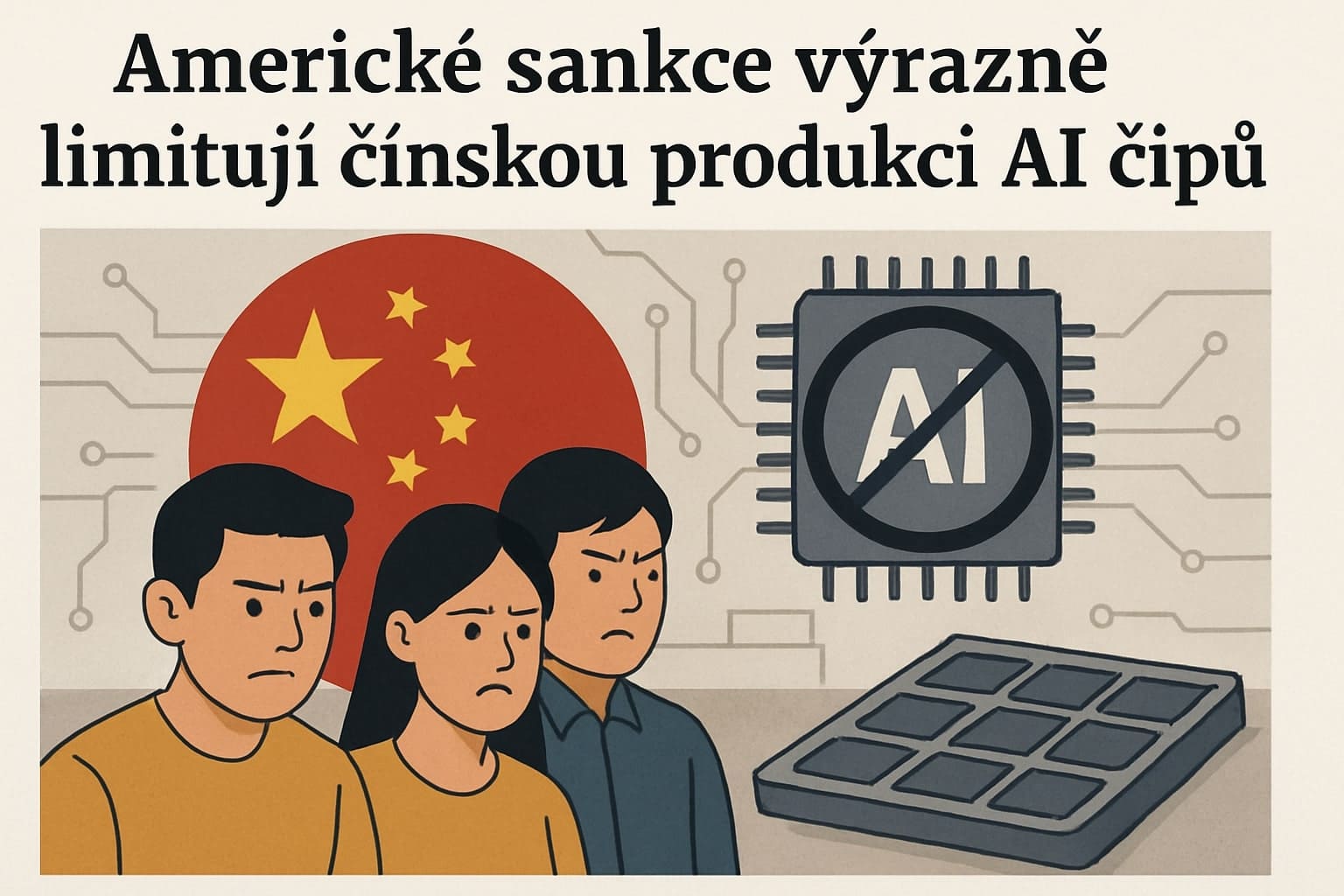
US Sanctions Significantly Limit Chinese AI Chip Production
Huawei Faces Technical Manufacturing Problems
The main problems in the production of Ascend chips, particularly the Ascend 910 series, are related not only to US sanctions but also to technical difficulties in the manufacturing process itself. Ascend 910c chips are manufactured by SMIC (Semiconductor Manufacturing International Company) using a 7nm process with deep ultraviolet (DUV) lithography, but the manufacturing yield is only around 30 percent. This low yield means that only three out of every ten chip production attempts are successful, significantly limiting overall production capacity and increasing the cost of manufacturing individual units.
Comparison With Competitors Reveals a Dramatic Difference
The significance of these figures becomes even more apparent when compared with the sales results of the US company Nvidia in China. According to data from SemiAnalysis, Nvidia sold more than 1 million H20 chips in China in 2024, five times Huawei's projected annual capacity for 2025. This comparison clearly illustrates the significant gap between domestic Chinese production and imports, even though Nvidia H20 chips are a specially modified version designed for the Chinese market due to US export restrictions.
Growing Position in the Domestic Market
Despite manufacturing limitations, Huawei Ascend chips are gaining an increasing share of China's artificial intelligence market. This situation is largely due to US export controls that have prohibited Nvidia from selling advanced AI chips to China. As a result, Ascend chips have become the most powerful artificial intelligence accelerators available in China's domestic market, effectively giving Huawei a near-monopoly position in the high-end AI chip segment. However, this market dominance is offset by the company's limited ability to meet growing domestic demand for these technologies.
Plans for Future Chip Generations
Huawei continues to develop and test new chip models, including the Ascend 910D and the upcoming Ascend 920. Mass production of the Ascend 920 chip is planned for the second half of 2025, and if successful, these chips could further strengthen Huawei's position in China's artificial intelligence hardware market. The development of these new generations represents the company's effort to overcome current technical limitations and reduce its dependence on foreign technologies that are now unavailable due to US sanctions.
Long-Term Impacts on Global Technology Competition
Under Secretary Kessler warned that although China's current production of advanced chips is relatively small, the country's global ambitions must not be underestimated. His remarks highlight the strategic nature of the current restrictions, which are intended to prevent China from achieving technological independence in key areas of artificial intelligence. US-China tensions in the semiconductor sector therefore continue, affecting not only companies such as Huawei and SMIC, but also the overall structure of the global technology market and the future development of artificial intelligence technologies.


