

What is happening with Nvidia chips and China?
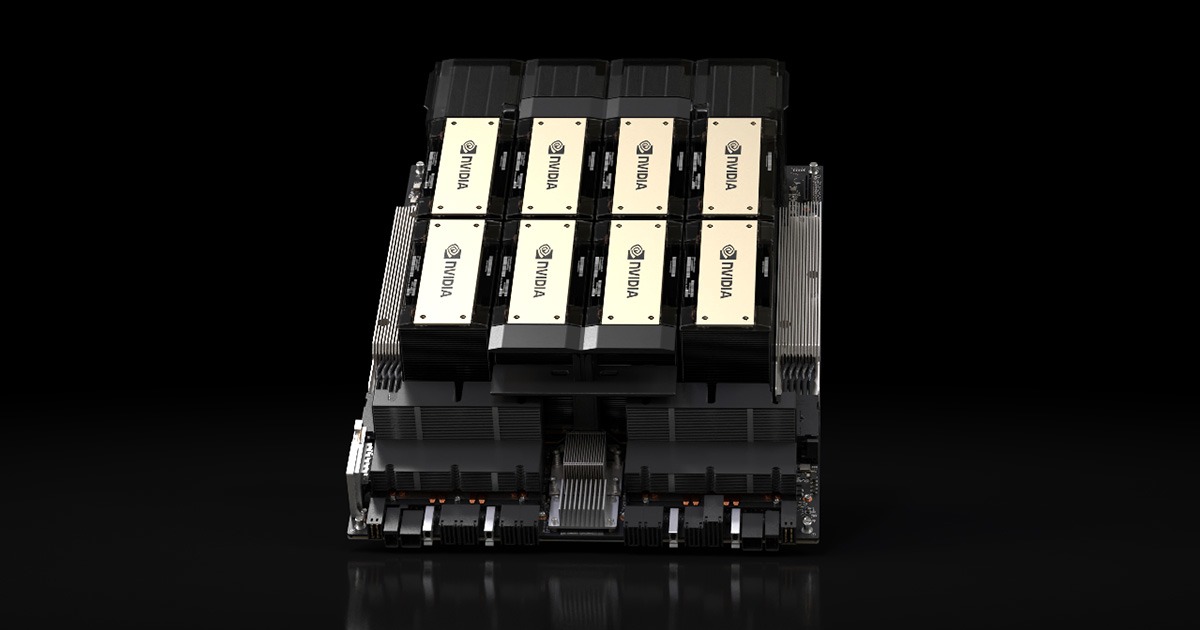
The U.S. government under President Donald Trump is now considering whether to allow Nvidia to sell its advanced H200 chips to China. This would be a major change, as strict export restrictions have so far been in place due to national security concerns. Sources familiar with the matter say that the U.S. Department of Commerce is currently reviewing this policy and that the plans could still change. In response to an inquiry, the White House said it was focused on maintaining American leadership in technology and protecting the country's security, but provided no specific details. Nvidia itself did not respond directly, but said that the current rules prevent it from offering competitive chips for artificial intelligence data centers in China, leaving room for local rivals.
This idea comes after Donald Trump's recent meeting with Chinese leader Xi Jinping in Busan, South Korea, where they agreed to a truce in the trade and technology war. This could open the door to better relations in the technology sector. Sources say that such an easing would signal a friendlier approach toward Beijing, even though Trump previously threatened new restrictions on technology exports over China's controls on rare minerals that are essential for manufacturing many devices.
Why are H200 chips so important?
The H200 chip, which Nvidia introduced two years ago, is designed specifically for artificial intelligence. It has more high-speed memory than its predecessor, the H100, allowing it to process data faster. It is estimated to be twice as powerful as the H20 chip, which is currently the most advanced model that can legally be exported to China. The Trump administration briefly banned sales of the H20 this year as well, but later reversed the decision, meaning these chips can now be shipped to China.
However, there are concerns among security officials in Washington. They say that supplying such powerful chips could help Beijing strengthen its military, which led to restrictions under the Biden administration. On the other hand, Nvidia argues that the bans are only accelerating China's push for technological independence, which could ultimately hurt the U.S. even more.
How does this relate to recent events?
Nvidia also made the news this week for other reasons. Nvidia CEO Jensen Huang, whom Trump called a "great guy," was among the guests at the White House during a visit by Saudi Crown Prince Mohammed bin Salman. The U.S. Department of Commerce approved shipments of up to 70,000 next-generation Blackwell chips from Nvidia to Saudi Arabia for Humain and to the United Arab Emirates for G42. This suggests that the U.S. is willing to export advanced technology to allied countries, which could influence its decision regarding China.
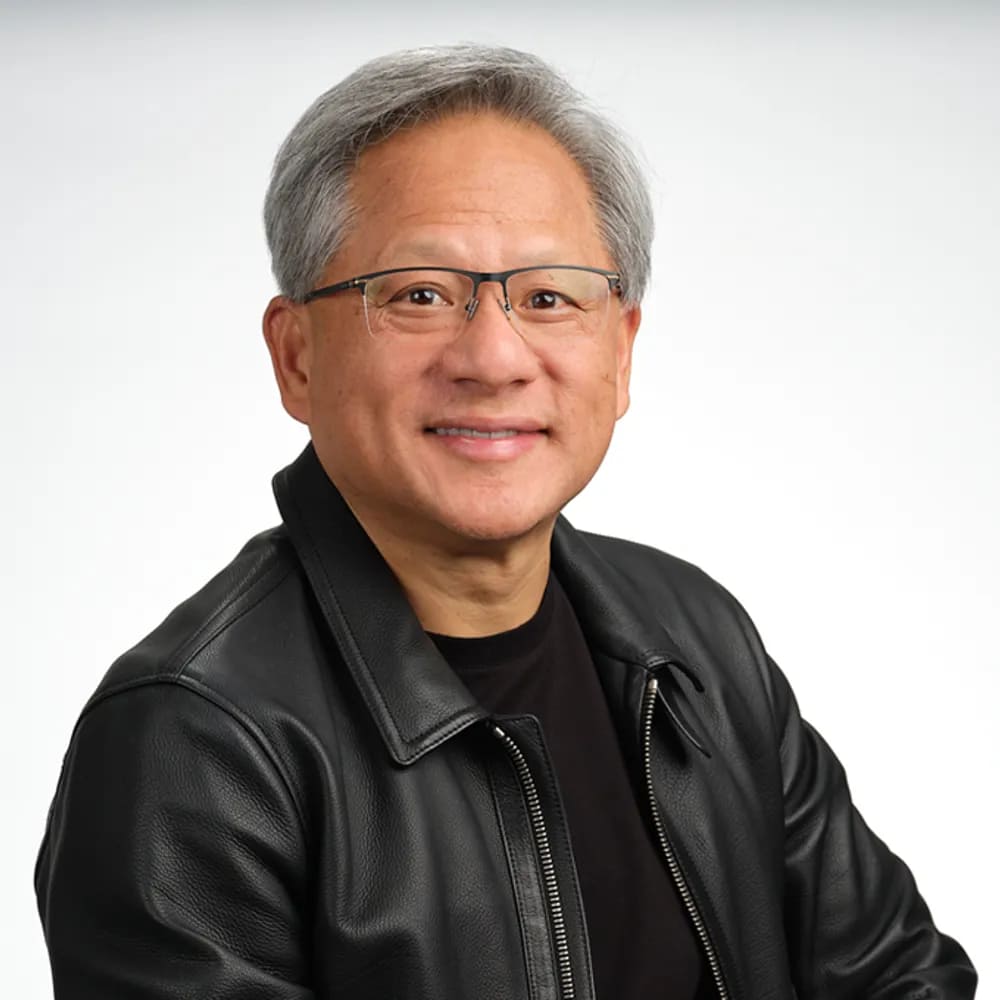
Other information from online sources indicates that these deliberations have already affected the markets. Shares of Chinese chip manufacturers such as Semiconductor Manufacturing International Corp and Cambricon Technologies fell because investors fear greater competition from Nvidia. Jensen Huang himself has publicly advocated lifting the ban, arguing that it would benefit American interests because China would otherwise develop its own alternatives more quickly.
Possible future consequences
Discussions about the H200 are taking place at the highest levels, and President Trump himself will probably have the final say. No final decision has yet been made, and opposition from security experts is strong—they warn that it could undermine U.S. efforts to keep cutting-edge technology out of Beijing's reach. On the other hand, if sales are permitted, Nvidia could re-enter the enormous Chinese market, which is currently dominated by local companies.
Sources emphasize that the plans could still change, so we will have to continue monitoring the situation.
Sources: theinformation.com and reuters.com


