

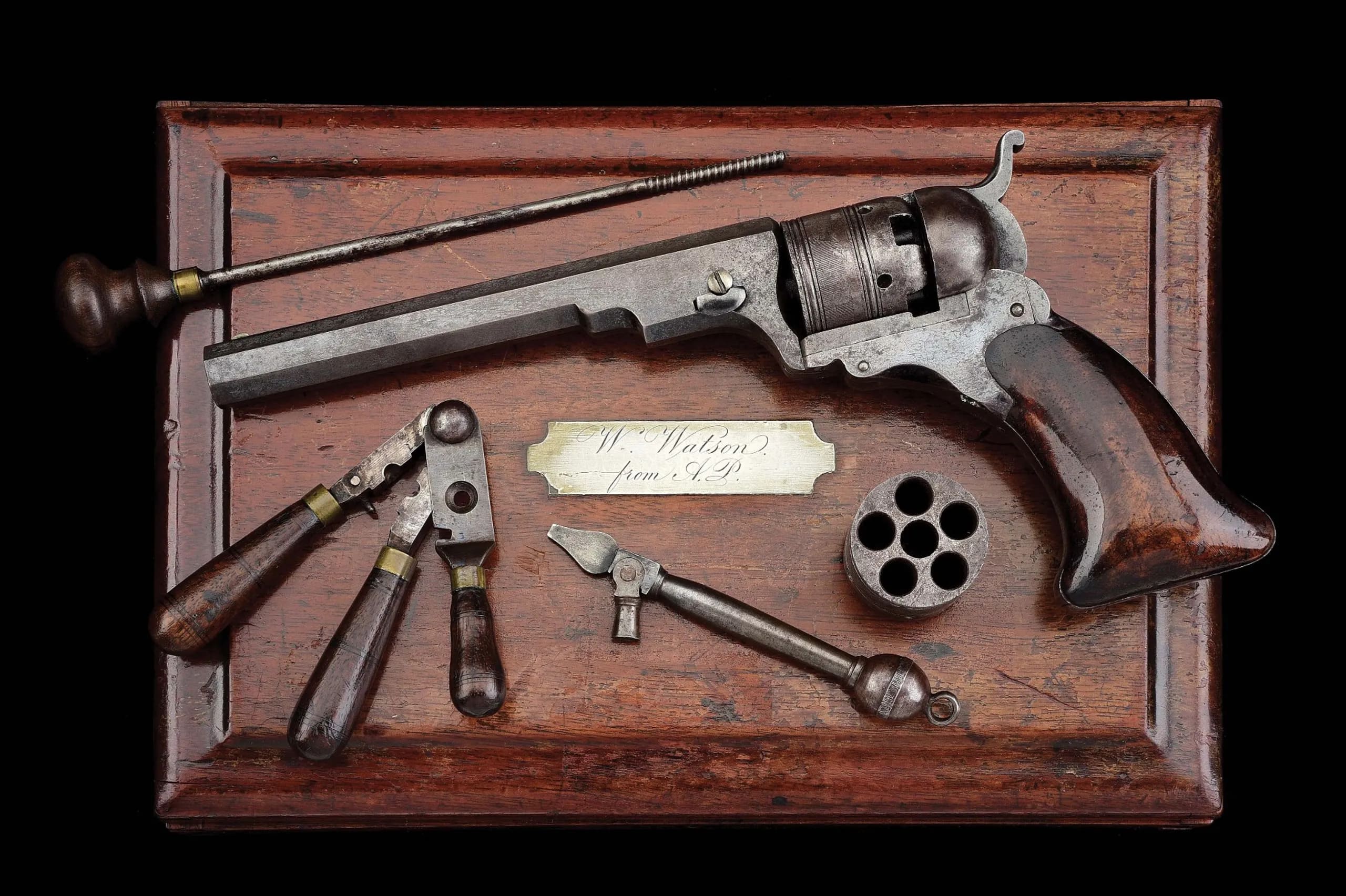
Stories from Texas's Past: The Texas Rangers and the Colt Six-Shooter
"God made some men big and some men small. Samuel Colt made equals of them all." (God made some men big and some men small. Samuel Colt made them all equal.) Old frontier saying.
The Colt six-shooter would never have come into existence if it had not been for the Texas Rangers. That is a bold claim, but I can back it up.
Before there was a six-shooter, there was a five-shooter, as early as 1836. It was called the Colt Paterson after the town in New Jersey where it was manufactured. This single-shot .28-caliber pistol had a folding trigger and a reputation for being temperamental and prone to malfunction in the field.
Samuel Colt could sell it to almost no one, except for a fortunate deal with the Republic of Texas, where it was used by the Texas Navy. When Texas joined the Union and its navy was disbanded, Captain John Coffee Hays appropriated the surplus weapons for his Texas Rangers. The Rangers, in turn, found this five-shot Colt invaluable in fighting the Comanches, the most feared warriors on the Texas plains.
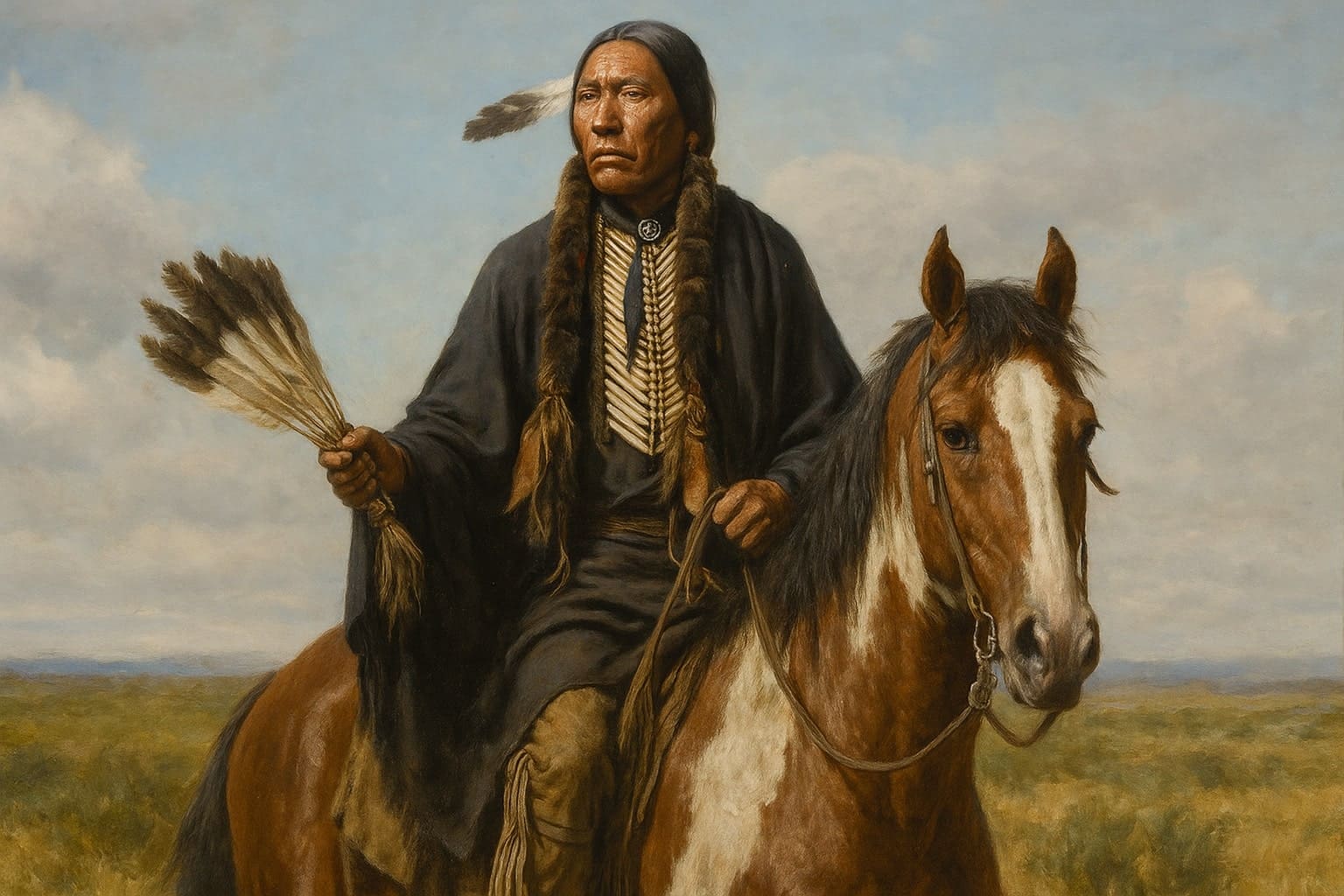
The Comanches already had their own rapid-fire weapon. It was called the bow and arrow. An experienced warrior could fire four arrows at a Ranger before he could reload his old single-shot rifle. And the Comanches could do it from horseback, at a full gallop. Colt's repeater evened the odds.
If MasterCard advertising had existed at the time, it might have looked like this: "Fastest quarter horse around: $100." (Fastest quarter-mile horse around: $100.) "Top-of-the-line saddle: $40." (Best saddle on the market: $40.) "Two Colt revolvers: $60." (Two Colt revolvers: $60.) "Going up against 40 Comanches with seven fellow Texas Rangers, equally equipped: Priceless." (Facing 40 Comanches with seven fellow Rangers, equally equipped: Priceless.)
Although the Rangers liked Colt's revolvers, Colt could not sell enough of them to keep his company afloat, and he eventually stopped manufacturing firearms.
Then, in 1846, the Mexican-American War began. The Rangers were making a name for themselves as part of the American military effort in Mexico. Zachary Taylor favored them as scouts; they were particularly skilled at fighting on horseback and ruthless toward Mexican guerrillas. Among the most famous was Samuel Walker.
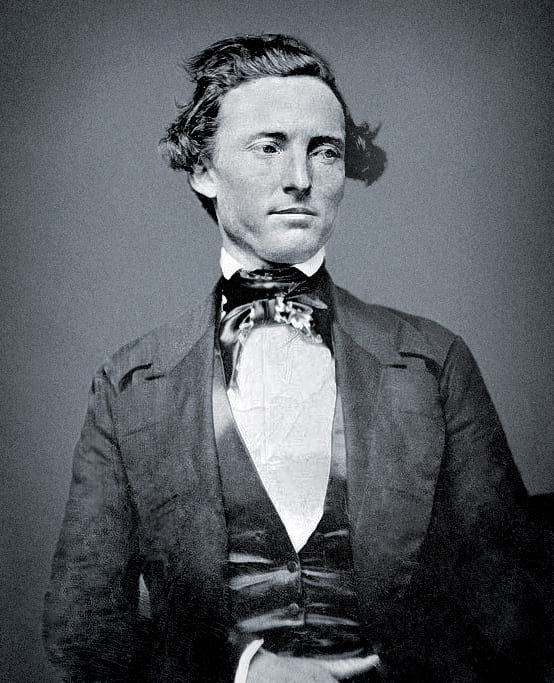
Walker had used the Colt Paterson model during his earlier service as a Texas Ranger. After Taylor's forces captured Monterrey and secured the city in 1846, there was a brief furlough. Walker left Mexico and traveled east. There he contacted Samuel Colt with several suggestions for improving the earlier Paterson model. He told Colt that the five-shot revolver should be redesigned as a six-shooter for better balance.
Thus the six-shooter was born. It was larger and heavier than the previous model, designed for fighting on horseback and intended to be carried in a saddle holster rather than on a belt. It was so heavy that Colt was said to have remarked that it would take a "Texan to shoot it." (A Texan to shoot it.)
This new pistol, manufactured in collaboration with Eli Whitney, the famous inventor of the cotton gin, was called the Walker Colt. Only 1,100 were made, 1,000 of which were intended for the U.S. Army, making them rare and difficult to obtain. Every soldier longed for one. Every man in the West wanted one. A later version was called the Peacemaker, the gun that tamed the West.
As for Walker, he returned from Washington to rejoin the fighting in Mexico. When he was killed at the Battle of Huamantla in 1847, he was carrying a pair of Walker six-shooters that he had just received as a gift from Colt.
FOR FURTHER READING: The Texas Rangers: A Century of Frontier Defense, by Walter Prescott Webb. (The Texas Rangers: A Century of Frontier Defense, by Walter Prescott Webb.)


