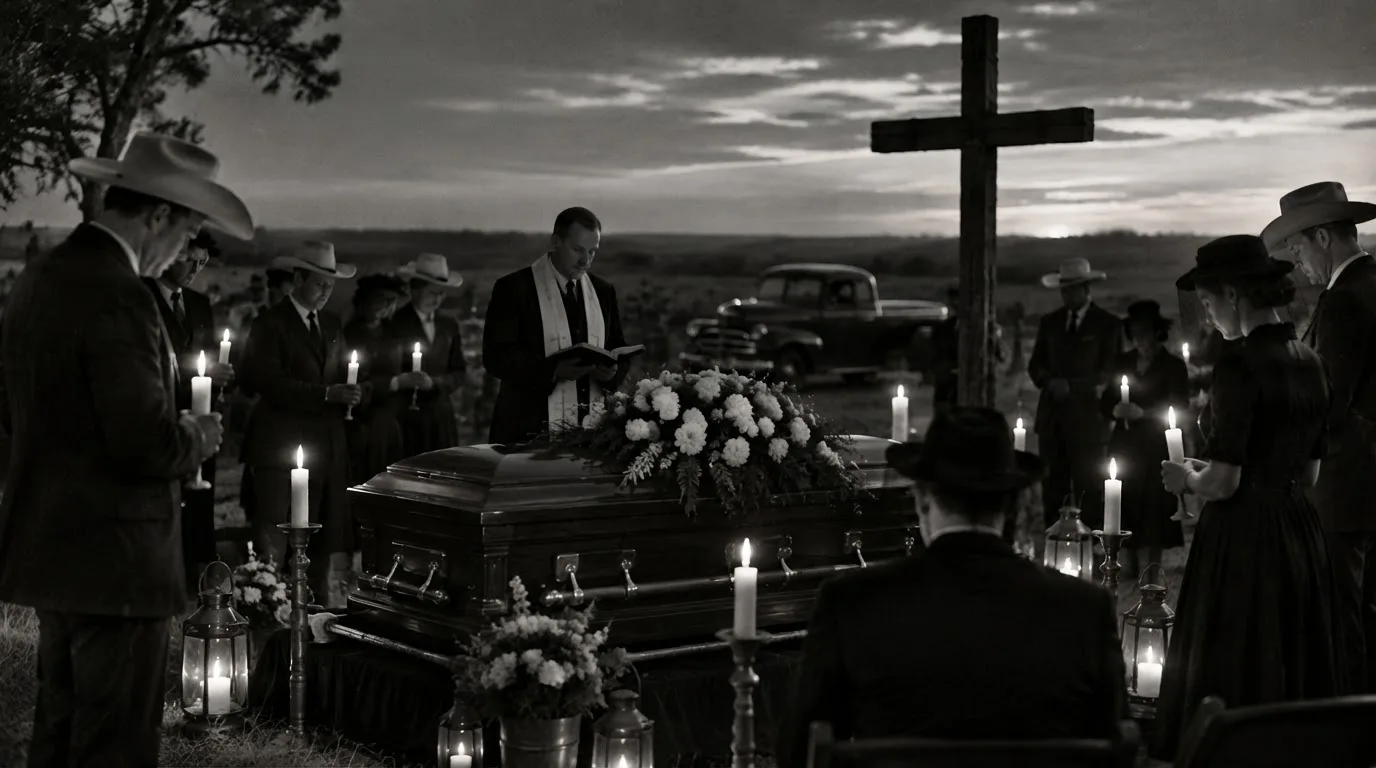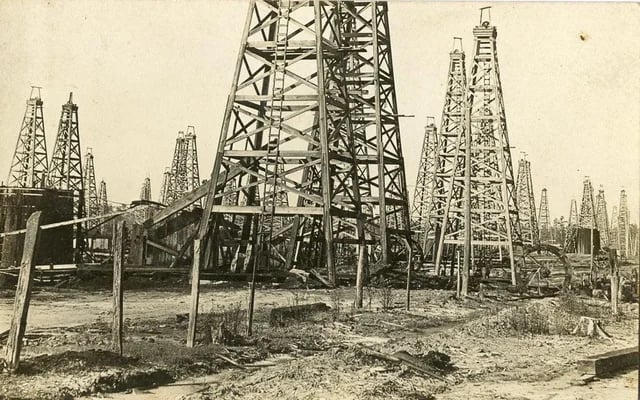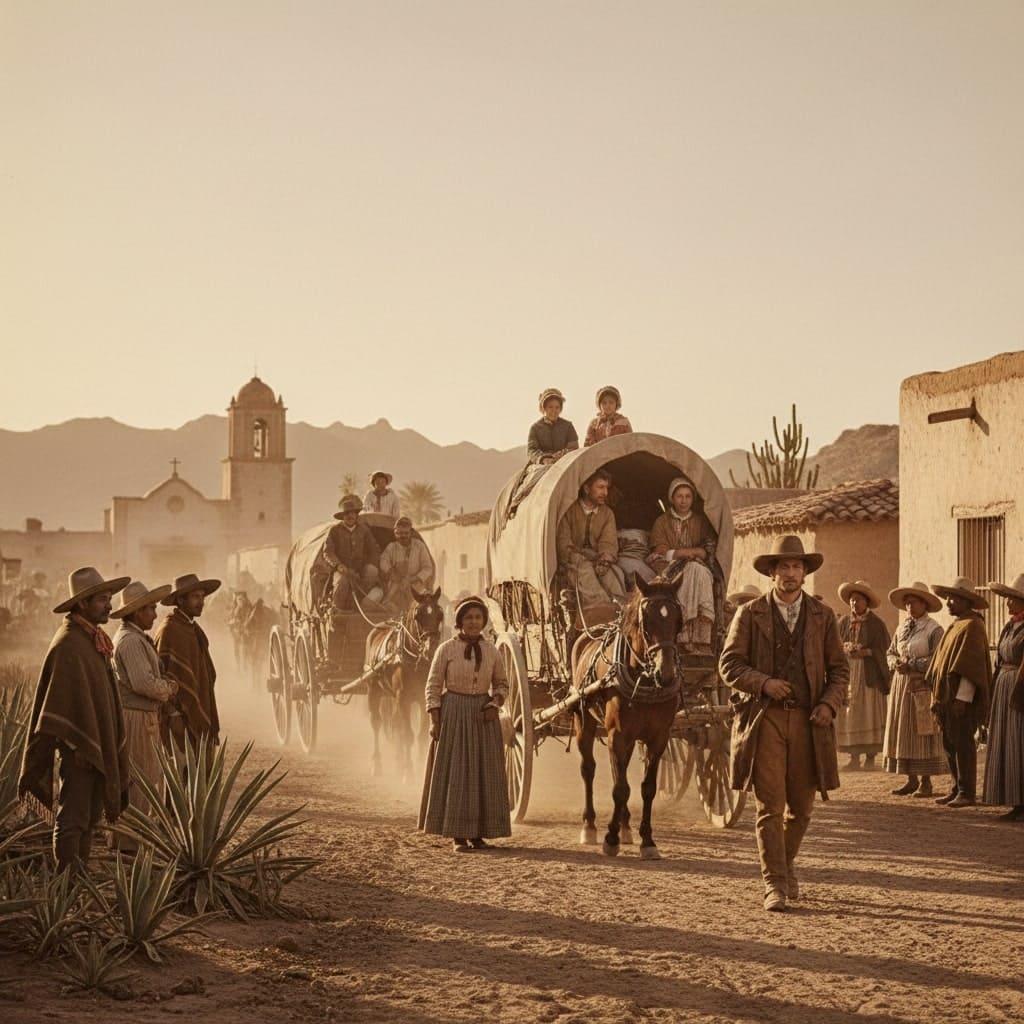
Such was the situation at the time: New immigrants to Texas were becoming quite a serious problem. They were crossing the river in droves. Some were legal, others undocumented. Some lived on land they had legally acquired, while others were squatters who had settled on someone else’s land. Legal immigrants were followed by family members who arrived without proper papers. The government was frustrated and desperately trying to find a solution.
Many of them were good, hardworking people. But as a group, they mostly kept to themselves. They did not assimilate. They did not adapt to the local culture. They refused to learn the language. Most of them practiced a faith different from the one most common in their new country.
There was talk of deploying the army along the entire river. Borders and immigration laws had to be enforced. The government passed a law banning all new immigration to Texas from the neighboring republic. The army was indeed sent to the ports to turn away those without proper documents.
Sound familiar? These issues were being dealt with in Texas nearly 200 years ago.
I am talking about the 1820s and early 1830s, before the Battle of the Alamo, before the Battle of San Jacinto.
The immigrants were not Mexicans. They were Anglo-Americans coming from Louisiana, Arkansas, Tennessee, and other southern states. The river they crossed was not the Rio Grande, but the Sabine, the border between Texas and Louisiana.
The concerned government was not based in Austin, but in Mexico City. Texas, of course, belonged to Mexico at the time.
There were calls to deploy the Mexican army along the eastern border. The Mexican authorities did not do so, but they stationed small military detachments at ports along the coast.
The language the immigrants did not want to learn was Spanish. That was part of the agreement: If they received cheap land, they agreed to become Mexican citizens and learn Spanish. Most did not honor that agreement.
The faith they did not want to adopt was Catholicism, even though that too was part of the agreement. As Mexican citizens, they were expected to become Catholics. Most did not. Priests lived among them, but little effort was made to enforce this requirement.
It is surprising to see how trends have reversed in some respects over the course of a few centuries. I have no interest in delving into the complexities of politics. I will leave the cautionary tales to others. But I consider this a good example of a clever saying often attributed to Mark Twain, though its true author remains a mystery: “History may not repeat itself, but it rhymes.”