

Imagine a world where the supply of key technologies, such as semiconductors (chips) and artificial intelligence (AI), is not threatened by rivals. That is precisely the goal of the U.S.-led Pax Silica initiative. This program focuses on protecting the entire supply chain, including critical minerals, advanced manufacturing, computing technology, and data infrastructure. According to Under Secretary of State for Economic Affairs Jacob Helberg, it is a key part of the Trump administration's strategy to reduce dependence on rival countries and strengthen cooperation among allies.
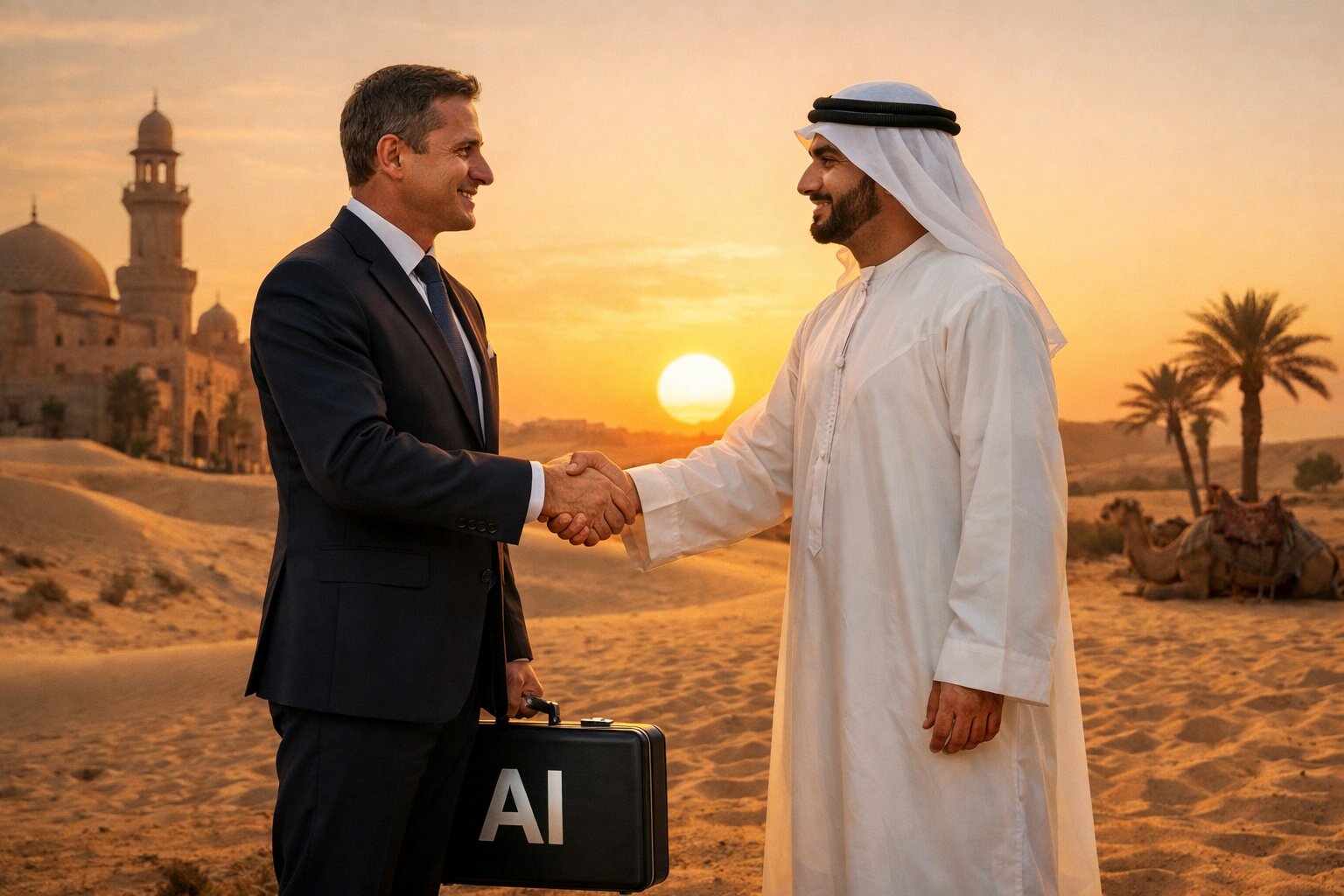
The initiative is not merely a diplomatic document—Helberg describes it as a practical blueprint for a new consensus on economic security. The group already includes countries such as Israel, Japan, South Korea, Singapore, the United Kingdom, and Australia. Qatar and the United Arab Emirates (UAE) are now joining them, which is notable given the historical political differences in the Middle East.
How Will This Help the Middle East?
For countries such as Qatar and the UAE, this represents a major change. Until now, their economies have relied primarily on oil and gas, but they are now shifting toward silicon-based technologies. Helberg says this will help accelerate the Middle East's transition from dependence on energy to a diversified, technology-driven economy. Rather than traditional alliances, this is a "coalition of capabilities," in which each country contributes its industrial strengths and companies.
This development is connected to the Future Minerals Forum, hosted by Saudi Arabia in Riyadh from January 13 to 15. Senior officials, industry leaders, and investors will gather there to discuss minerals and supply chains. This year, Pax Silica will focus on expanding its membership, developing strategic projects to ensure secure supplies, and coordinating policies to protect critical infrastructure and technologies. The group met in Washington last month and plans further meetings this year.
What Else Will This Cooperation Bring?
U.S. and Israeli officials are preparing to launch a strategic framework linked to Pax Silica, including the Fort Foundry One industrial park in Israel, which is intended to accelerate projects. They will also add cooperation in AI, with a memorandum of understanding planned for January 16. Discussions are also underway on modernizing trade and logistics routes, such as the India-Middle East-Europe Corridor, where advanced U.S. technology would be used to strengthen regional integration and expand U.S. economic influence.
Source: reuters.com


