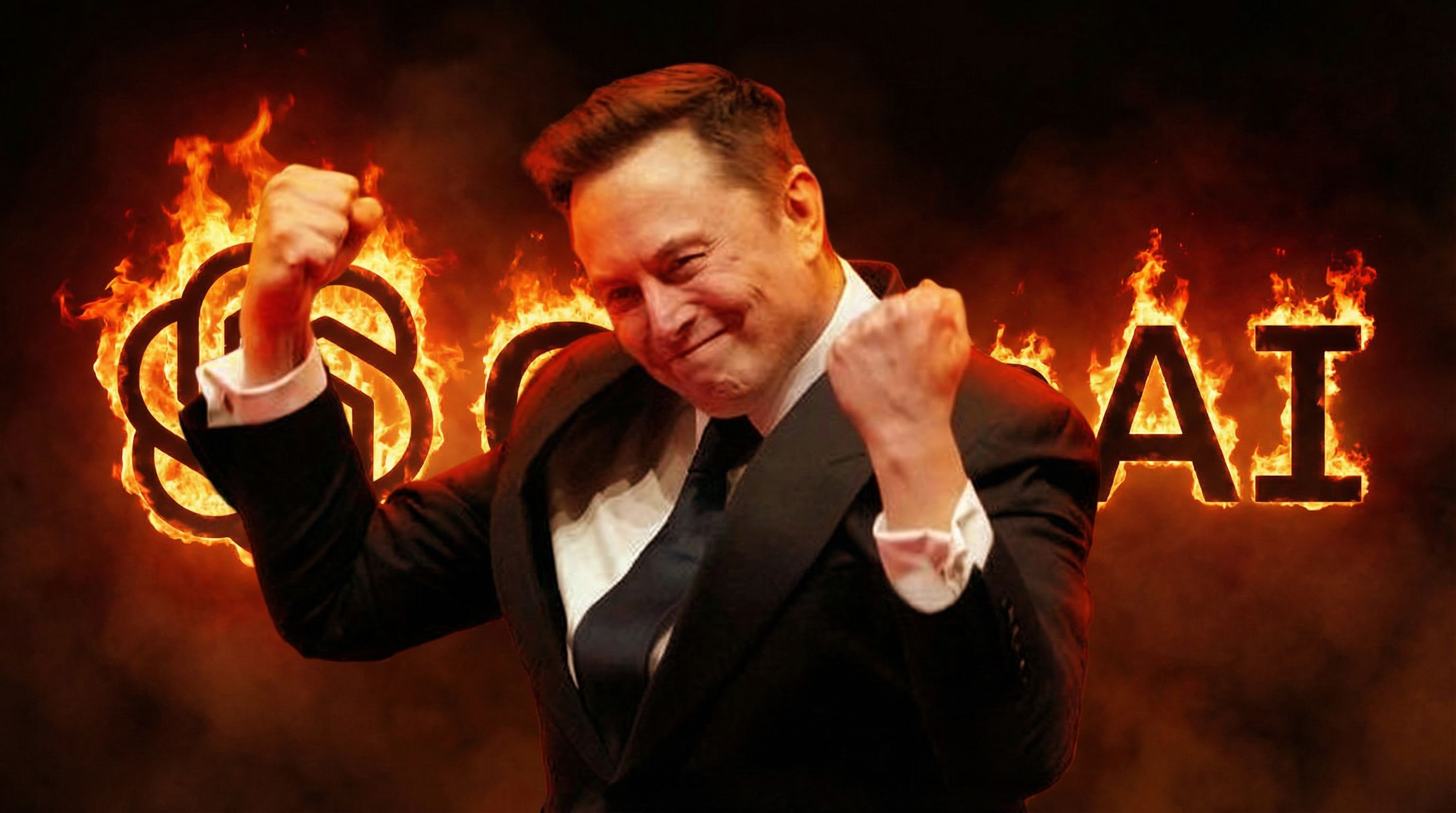
Elon Musk has been engaged in a long-running dispute with OpenAI. In 2024, he filed a lawsuit against OpenAI and its co-founders Sam Altman and Greg Brockman. Musk claims they deceived him because they promised that OpenAI would remain a nonprofit organization focused on developing artificial intelligence for the benefit of humanity. Instead, they transitioned to a for-profit model last year, which Musk says violates the original agreements. Musk invested about $38 million (approximately CZK 874 million) in OpenAI, in addition to providing advice and lending his reputation. He now wants them to return these "ill-gotten gains."
District Court Judge Yvonne Gonzalez Rogers ruled that the lawsuit has sufficient evidence to go before a jury. According to her, there are indications that OpenAI executives promised to preserve the nonprofit structure. The trial is scheduled for March 2026. Musk's lawsuit focuses on the fact that OpenAI was founded in 2015 as a nonprofit research laboratory. In 2019, however, it created a for-profit subsidiary with capped returns for investors in order to raise funds for growth and talent.
Why Did Musk Leave OpenAI?
Musk was one of OpenAI's earliest investors and co-founders. In 2018, he left the board after his offer to become CEO was rejected. The other co-founders proposed Sam Altman for the position. Officially, Musk cited potential conflicts of interest with Tesla's development of artificial intelligence for autonomous driving. Since then, Musk has criticized OpenAI, particularly for its transition to a for-profit model. He founded his own company, xAI, which is for-profit.
In October 2025, OpenAI completed its restructuring. The for-profit arm became a public benefit corporation, while the original nonprofit retained a 26% stake. Musk's lawsuit failed to stop the process, but it is now focused on seeking damages.
Musk's Offer to Buy OpenAI
In February 2025, Musk made an unexpected $97.4 billion offer (approximately CZK 2.24 trillion) to buy OpenAI. Sam Altman rejected the offer. Musk's lawsuit continues, seeking monetary compensation for what he considers fraud.
An OpenAI spokesperson said that Musk's lawsuit is "baseless and part of his ongoing harassment." The company insists that the changes were necessary to fund development. Musk, however, argues that all his investments were based on promises that the organization would remain nonprofit.
The trial in March will be crucial. The jury will decide whether Musk is entitled to compensation. The dispute highlights the tension between OpenAI's original ideals and the reality of the need for major investment. Musk, who now leads xAI, continues to criticize OpenAI for prioritizing profits over its mission to benefit humanity.
Sources: apnews.com and techcrunch.com