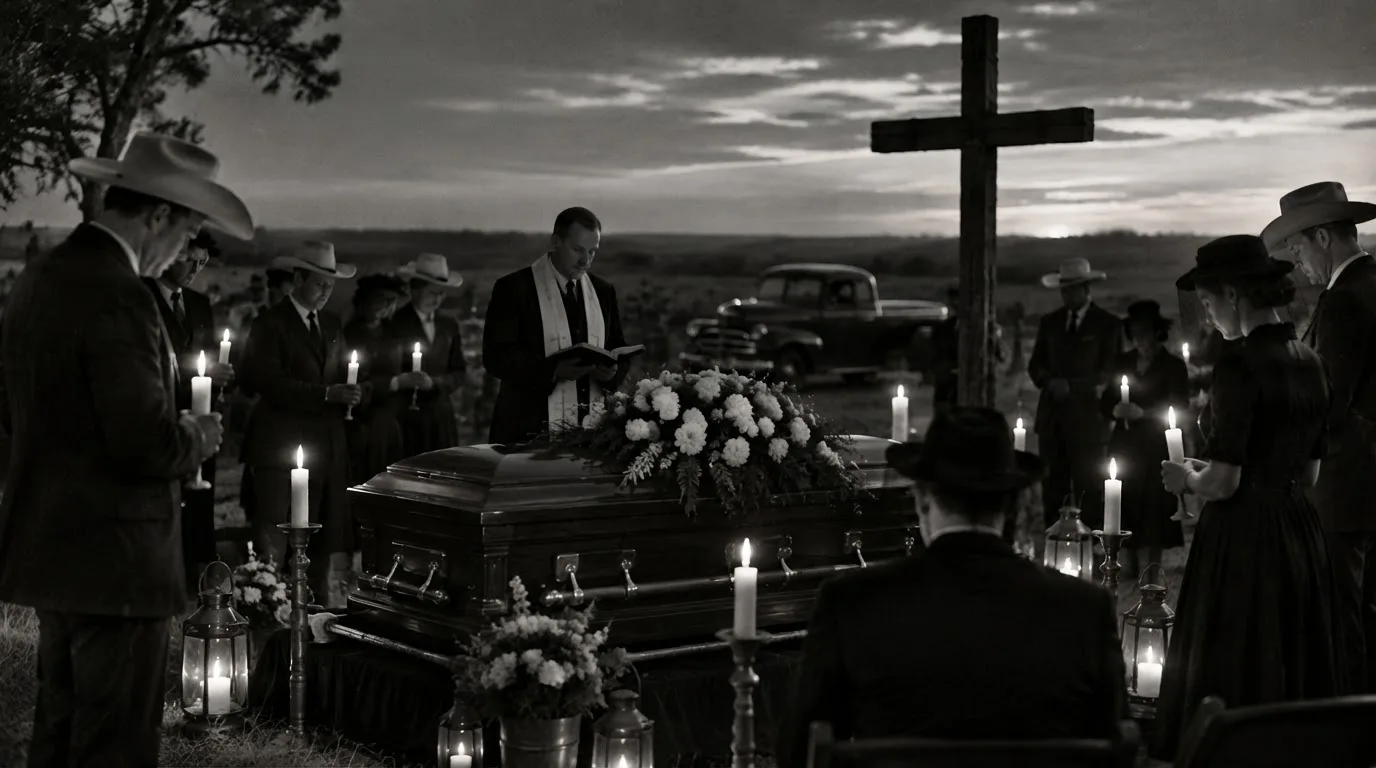
The great Texas meteorologist Isaac Cline is often credited with saying that “Texas is a land of perpetual drought, occasionally interrupted by a devastating flood.” Cline was assigned to San Angelo by the National Weather Service in the 1890s. His arrival at the Fort Concho station was delayed for weeks by swollen creeks and rivers. Then came the drought.
It was his fellow San Angeloan, Elmer Kelton, who many years later wrote this often-quoted description of drought in West Texas:
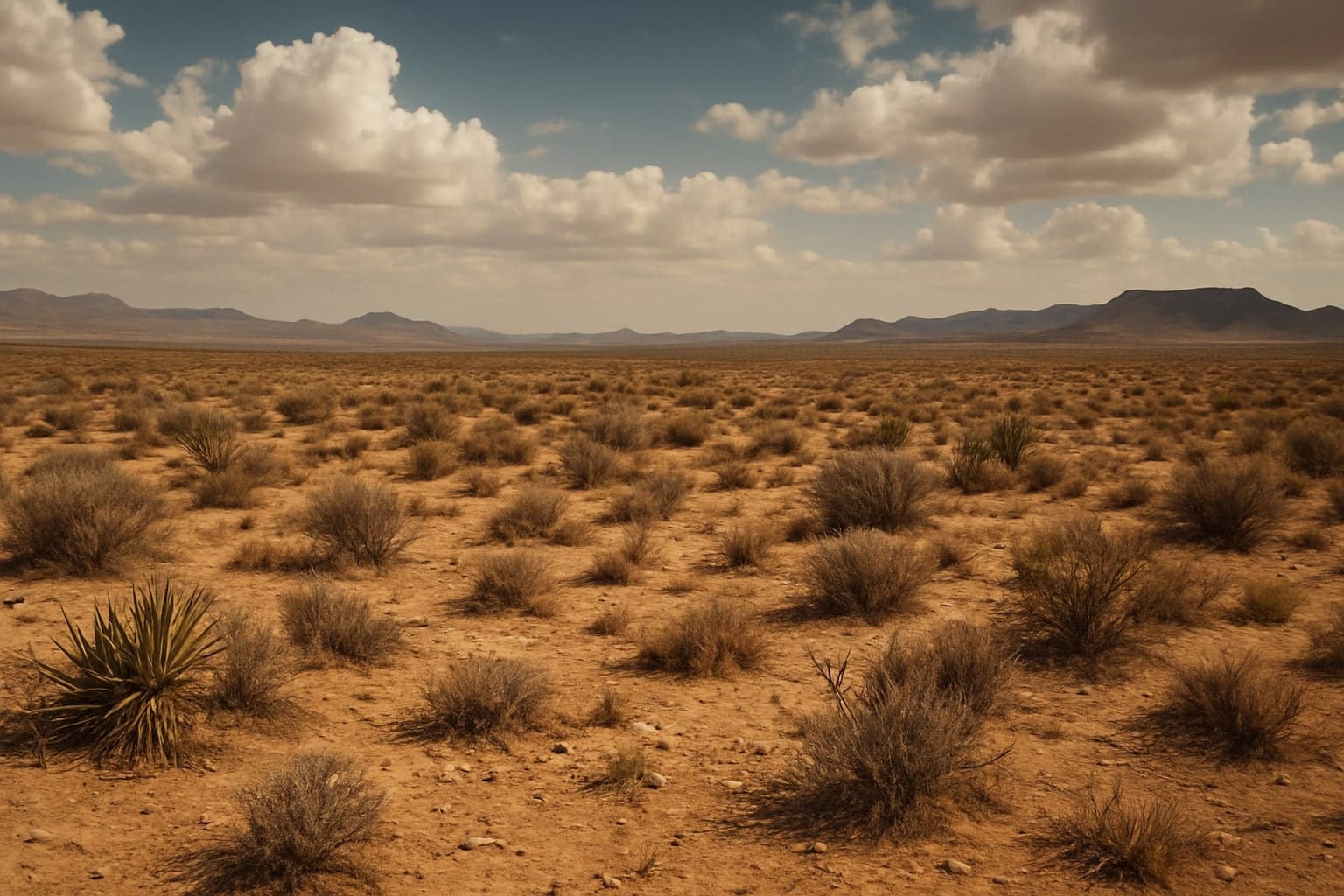
It crept up out of Mexico, first touching the brackish Pecos River and then spreading in every direction like a cancerous infection, searing a scar into the land. Just another dry spell, people said at first. Ranchers watched as water sources shrank into brown pools of mud that even the cattle would not touch. They watched as lush weeds shriveled while the west wind relentlessly pursued them and smothered them with its hot breath. They watched as the grass slowly lost its green color, then curled and burned like drying cornstalks. People grumbled, but if you stayed in West Texas, you learned to live with those dry spells. There were more dry years than wet ones. No one expected another drought like the one in 1933. And truly great droughts like the one in 1928 came only once in a lifetime. Why worry? they said. It will rain in the fall. It always has. But it did not rain. And many boys became men before the land turned green again.
Thus begins Elmer Kelton’s outstanding Texas novel The Time It Never Rained. The drought of the 1950s is the book’s main character, asserting itself maliciously and relentlessly throughout. The central character is Charlie Flagg, a tough old rancher from a bygone era who refuses to accept government assistance to survive the drought:
“There was a time when we looked up to Uncle Sam; he was someone we could be proud of and respect, but now he has become a sort of confused old daddy, handing out gifts in every direction in the hope that everyone will love him.”
To Flagg, the word “charity” is a disgrace. He rails against ranchers becoming too comfortable with government assistance: “It divides us into selfish little groups that snarl and bite at one another like hungry dogs, grabbing for whatever they can get, and to hell with everybody else. We beg, we fight, and we sell ourselves. We accept charity and give it a sweeter name.”
In Flagg’s mind, when a rancher accepts government assistance—no matter how well-intentioned the government or how deserving the rancher—“he gives up something he can never get back. He has given up a piece of his self-respect, a piece of the pride he had when he took care of himself.”
If you asked me to name the ten greatest Texas novels of all time, I could do so easily. Ranking them in order, however, would be too difficult for me. But I can say with certainty that The Time It Never Rained would be somewhere in the top five. Spend a few evenings with Charlie Flagg, and you will see the incomparable Texas spirit in its purest form. You will feel as though you had gone out with your grandfather to make sure all the fences were horse-high, hog-tight, and bull-strong.