

Sam Altman's Warning About Sharing Personal Secrets with ChatGPT
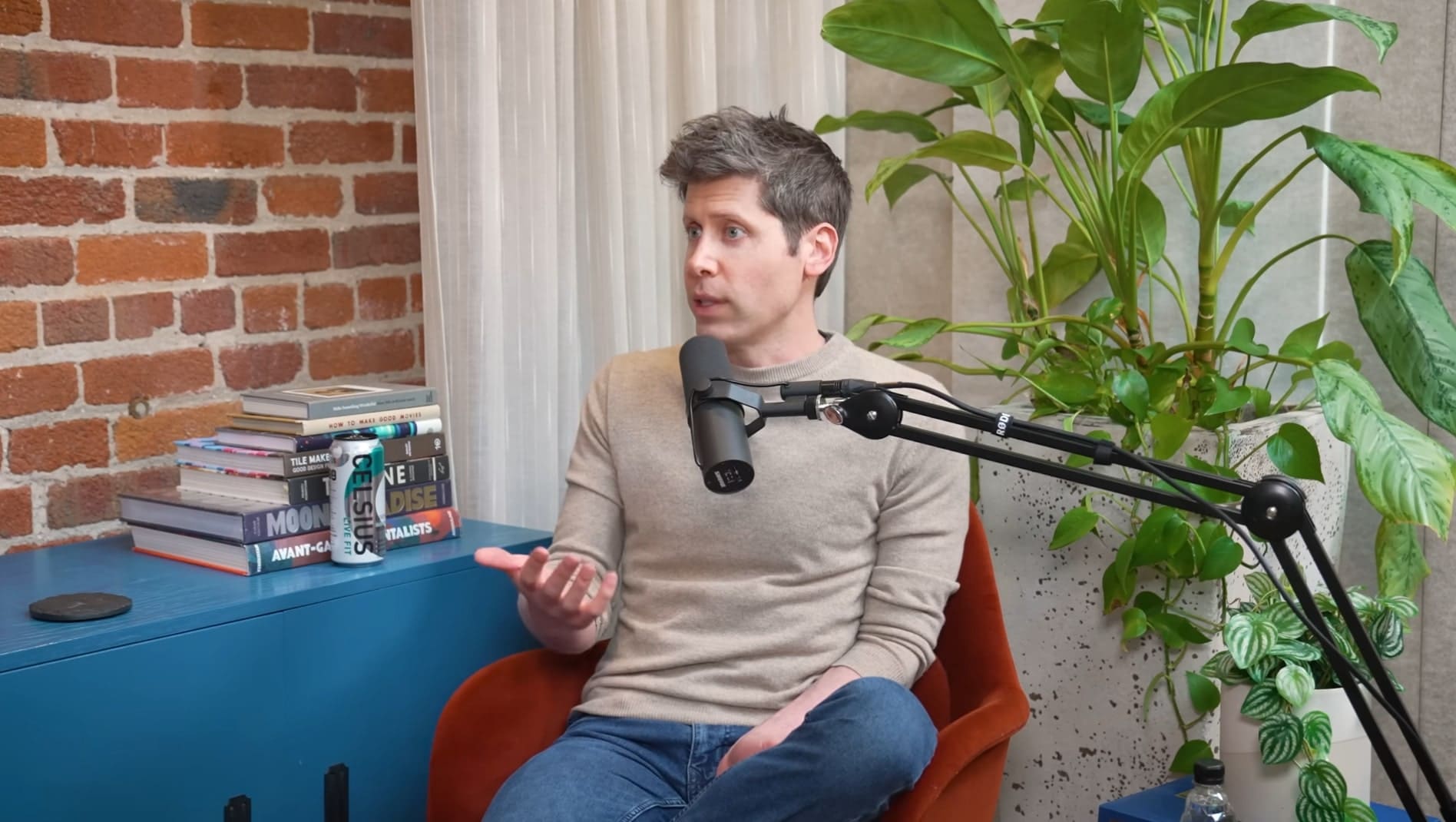
Imagine confiding in your closest friend, but that friend is actually artificial intelligence that may not keep your words secret. That is precisely what Sam Altman, CEO of OpenAI, warned about in a recent episode of the This Past Weekend w/ Theo Von podcast. In the episode, released on July 25, 2025, Altman responded to a question about how artificial intelligence operates within the current legal system. According to him, one of the major problems is the absence of a legal or policy framework for AI, which means that users' conversations with ChatGPT are not protected by any form of confidentiality.
Altman described in detail how people—especially young people—use ChatGPT as a therapist or life coach. "People talk about the most personal things in their lives with ChatGPT," Altman said on the podcast. He spoke about how users discuss relationship problems, seek advice, and share sensitive information as if they were talking to a real therapist. But unlike actual professionals such as therapists, doctors, or lawyers, who are bound by doctor-patient confidentiality or legal privilege, no such protection exists with ChatGPT. Altman called this "very messed up" and emphasized that society has yet to find a way to address it.
On the podcast, Altman mentioned that if a legal dispute arose, OpenAI would be legally required to provide these conversations. "I think we should have the same concept of privacy for conversations with AI that we have with a therapist," he added. This comment came in the context of a broader debate about how AI interacts with the legal system, and Altman admitted that no one was even thinking about it a year ago.
The Confidentiality Problem: No Protection Like That Provided by Human Professionals
According to an article on TechCrunch, Altman's warning is not merely theoretical. ChatGPT users should think twice before turning to AI for emotional support or discussing sensitive topics. The article quotes Altman as saying that the absence of doctor-patient confidentiality is a major obstacle to broader AI adoption. For example, OpenAI is already fighting a court order in its lawsuit with The New York Times, under which it could be forced to retain and share the chats of hundreds of millions of users—with the exception of ChatGPT Enterprise business customers.
In the article, Sarah Perez points to the broader context: Technology companies are regularly asked to provide user data for criminal prosecutions. On the podcast, Altman directly addressed host Theo Von, who admitted that he does not use ChatGPT because of privacy concerns. "I think that makes sense... you really want clarity on privacy before you start using it a lot," Altman replied. The article also mentions how, following the overturning of Roe v. Wade in the US, people switched to apps with better encryption, demonstrating how sensitive data can be put at risk by changes in the law.
Other related information online, including reports from the Times of India and TechRadar, confirms Altman's remarks. According to these sources, Altman emphasized that highly personal data shared with ChatGPT could be disclosed in legal proceedings if OpenAI received a court order or subpoena. He is calling for society to develop new privacy standards for interactions with AI, similar to those that apply to human professionals. "This is very messed up," Altman repeats in quotes from these articles, warning that users should exercise caution before relying on ChatGPT for therapy or personal advice.
Risks and Calls for Change
Related reports from Men's Journal add that Altman's warning highlights serious privacy risks associated with using AI chatbots for mental health or confidential support. For example, in the podcast episode with Theo Von, Altman discussed how young people use ChatGPT to deal with relationship problems, but without any legal protection. According to quotes from these sources, OpenAI could be forced to share the data, potentially leading to the disclosure of sensitive information.
Altman emphasized on the podcast that the absence of such protection is "a problem we have not solved yet." The TechCrunch article mentions that OpenAI is appealing court orders it describes as "overreaching," because they could open the door to further demands for data for legal or law-enforcement purposes. Sarah Perez recalls how, following the US Supreme Court's abortion ruling, people sought more secure apps, illustrating how quickly the rules surrounding digital data can change.
Why You Should Be Careful
This warning from Sam Altman is not merely theoretical—it is a genuine call for caution. Society should quickly develop legal frameworks for AI confidentiality. Altman said on Theo Von's podcast that no one was thinking about this a year ago, but now it is crucial. If you use ChatGPT for personal advice, remember: your words may not remain secure. It may be time to consider alternatives, such as real therapists, who are subject to clear confidentiality rules. Altman's message is clear: AI is an amazing tool, but without the right safeguards, it can be risky.


