

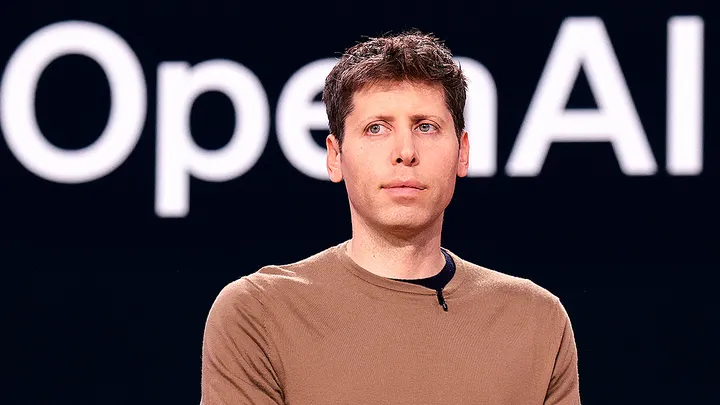
Sam Altman: Losses Are Necessary for Progress in AI
OpenAI has just launched its latest and most advanced artificial intelligence (AI) model, called GPT-5. The model was released on Thursday and is available to all users, including those using the free version. According to official sources, GPT-5 is smarter, faster, and far more useful than previous versions, particularly in areas such as writing, programming, and healthcare. The model offers improved reasoning, contextual understanding, and multimodal capabilities, meaning it can process not only text but also other types of data. OpenAI emphasized that the model is designed for end-to-end programming tasks and agentic (autonomous) functions that make work easier for developers and businesses.
GPT-5 was initially launched for developers, enterprise customers, and GitHub Copilot users, with access gradually expanding. However, the rollout was not without issues—users reported technical outages, errors when switching models, and an overall "bumpy" start. Sam Altman, CEO of OpenAI, admitted that the model's initial performance was "much dumber" than expected and thanked the community for its feedback.
OpenAI's Financial Situation: Losses on the Rise
OpenAI's financial situation is just as interesting as its technological progress. Last year, the company expected losses of around $5 billion on revenue of $3.7 billion. This year, annual recurring revenue is approaching $20 billion, which is an enormous increase, but OpenAI is still losing money. This trend is linked to the high costs of developing and training models such as GPT-5. For example, the company recently released two lower-cost open models that serve as more affordable alternatives for developers and researchers—these were its first open models since GPT-2 in 2019.
OpenAI is currently in talks with investors about a share sale at a valuation of approximately $500 billion, which could result in significant funding. Thrive Capital, one of its investors, could lead the round. Despite these losses, investors remain optimistic because they see potential in the company's rapid growth. Its user base is enormous—nearly 700 million people use ChatGPT weekly, and API traffic doubled during the GPT-5 launch, demonstrating growing interest from businesses and developers.
Altman's Comments: Prioritizing Growth over Profits
Sam Altman, the head of OpenAI, spoke openly about the situation in an interview on CNBC's Squawk Box shortly after GPT-5 was released. He said the company should prioritize growth and investment in training and computing power "for a long time," even if doing so delays the path to profitability. "As long as we're on this curve where the model keeps getting better and better, I think it is rational to be willing to sustain losses for quite a long time," Altman said. According to him, OpenAI could achieve profitability sooner than originally thought, but because it is a private company without pressure from public markets, it has decided to continue making massive investments.
Altman also responded to criticism from users. He admitted that abruptly removing access to older models such as GPT-4o was a mistake because people rely on them for their work. OpenAI therefore restored access to these models for selected users, but it now requires a monthly fee of $20, prompting further discussion. Altman emphasized that these changes are part of an effort to improve monetization so the company can sustain its growth despite high costs.
User Reactions
Users had mixed reactions to the release of GPT-5. Many expressed disappointment with the initial problems, such as outages and lower-than-promised performance. Altman described the launch as "a little bumpier than we had hoped" and promised improvements based on feedback. The situation demonstrates how users form emotional attachments to specific models and how much they rely on them in their daily work.
Overall, OpenAI faces challenges from growing competition in AI, but with a model like GPT-5 and a strong user base, its growth strategy appears to be paying off. The company remains private, giving it flexibility, as Altman said: "It's nice not to be a public company." This approach could define the future of artificial intelligence development, where investment in technology takes precedence over immediate profits.


