

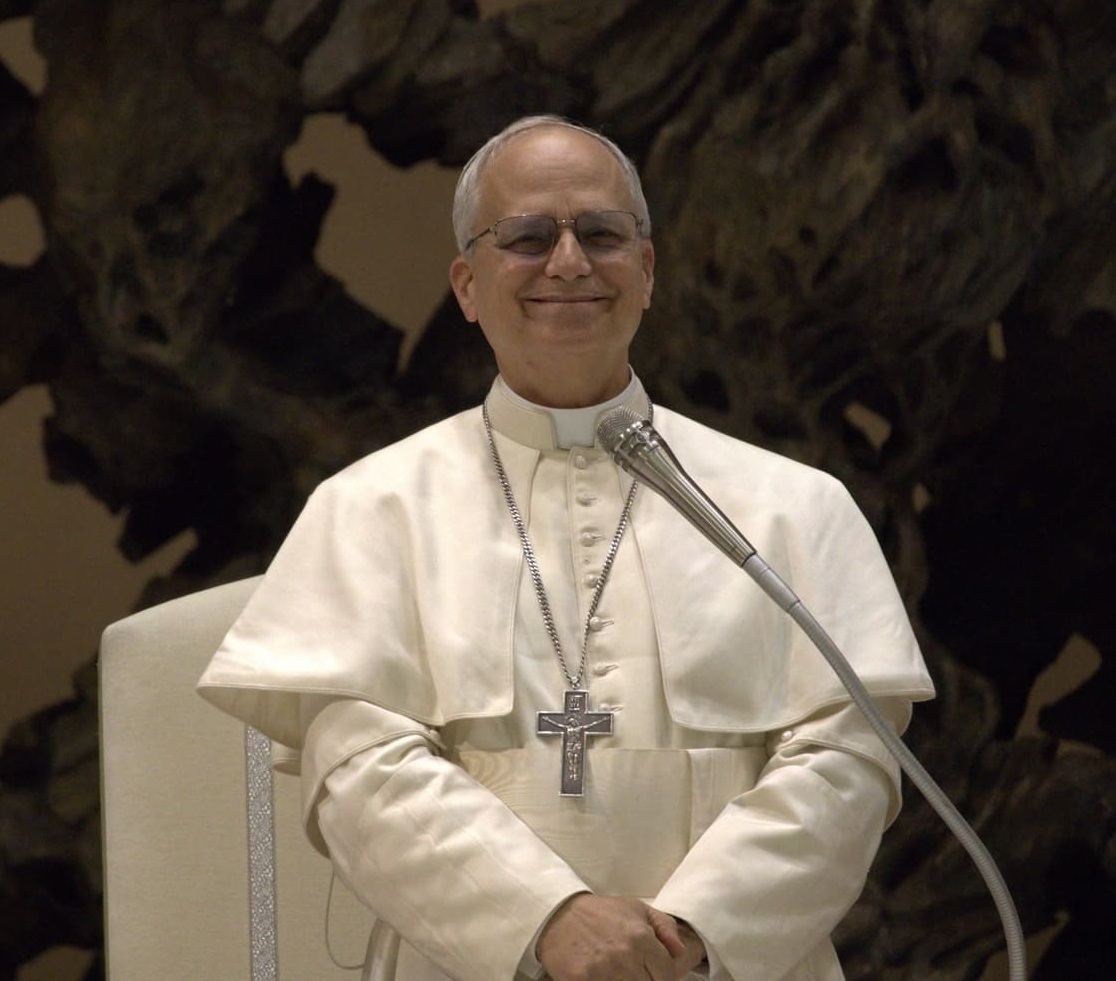
Pope Leo XIV: AI Must Not Threaten Our Dignity!
Pope Leo XIV, the first pontiff from the United States, recently spoke about the growing influence of artificial intelligence (AI), emphasizing the need to protect human dignity in the digital world. This article focuses on his remarks at a recent Mass in St. Peter's Basilica, where he addressed young believers and social media influencers. We will also examine statements by his predecessors, Pope Francis and Benedict XVI, who discussed AI in the context of ethics and humanity's role in technological progress.
Pope Leo XIV and His Warning About AI
At St. Peter's Basilica, Pope Leo XIV addressed young participants in the Vatican's Youth Jubilee, which takes place every 25 years. This week-long event brought together young believers from around the world, and the Pope celebrated Mass for Catholic social media influencers for the first time. In his address, he emphasized that "nothing that comes from humanity and its creativity should be used to undermine the dignity of others." He spoke of the "challenge" of artificial intelligence, which should serve "for the benefit of all humanity." The Pope called for the protection of our ability to listen and speak in this "new era," adding that we have a duty to work together to develop thought and language that give voice to love.
This address is not an isolated one—since his election in May, Pope Leo XIV has repeatedly returned to the subject of AI. During his first Sunday audience in May, he suggested that advances such as AI make the Church essential to defending human dignity and justice. The Pope, born in Chicago in 1955 to parents of Spanish and French-Italian descent, studied mathematics at Villanova University in Philadelphia in 1977. Having served as an altar boy, he was ordained in 1982 and then moved to Peru, where he worked with marginalized communities and built bridges. He regularly returned to the US, where he served as a priest and prior in his hometown. He holds Peruvian citizenship and is known for his work with the poor.
The Pope also urged influencers to seek out "those who suffer and need to know the Lord" and to use their content to combat the logic of division, polarization, individualism, and egocentrism. Young believers in St. Peter's Basilica raised their phones to record the Pope, underscoring the theme of connecting technology and faith.
Statements by His Predecessor Pope Francis on AI
Pope Leo XIV's predecessor, Pope Francis, spoke repeatedly about artificial intelligence and consistently emphasized that AI must serve humanity, protect human dignity, and remain under human control. He warned of risks such as machines making autonomous decisions on crucial matters, particularly those involving life and death. In his words, AI is not artificial human intelligence but a product of human ingenuity that must be directed toward human well-being. Pope Francis appreciated AI's potential to promote dignity and help the disadvantaged, but insisted on balancing its benefits with minimizing risks such as exacerbating inequalities or the "throwaway culture."
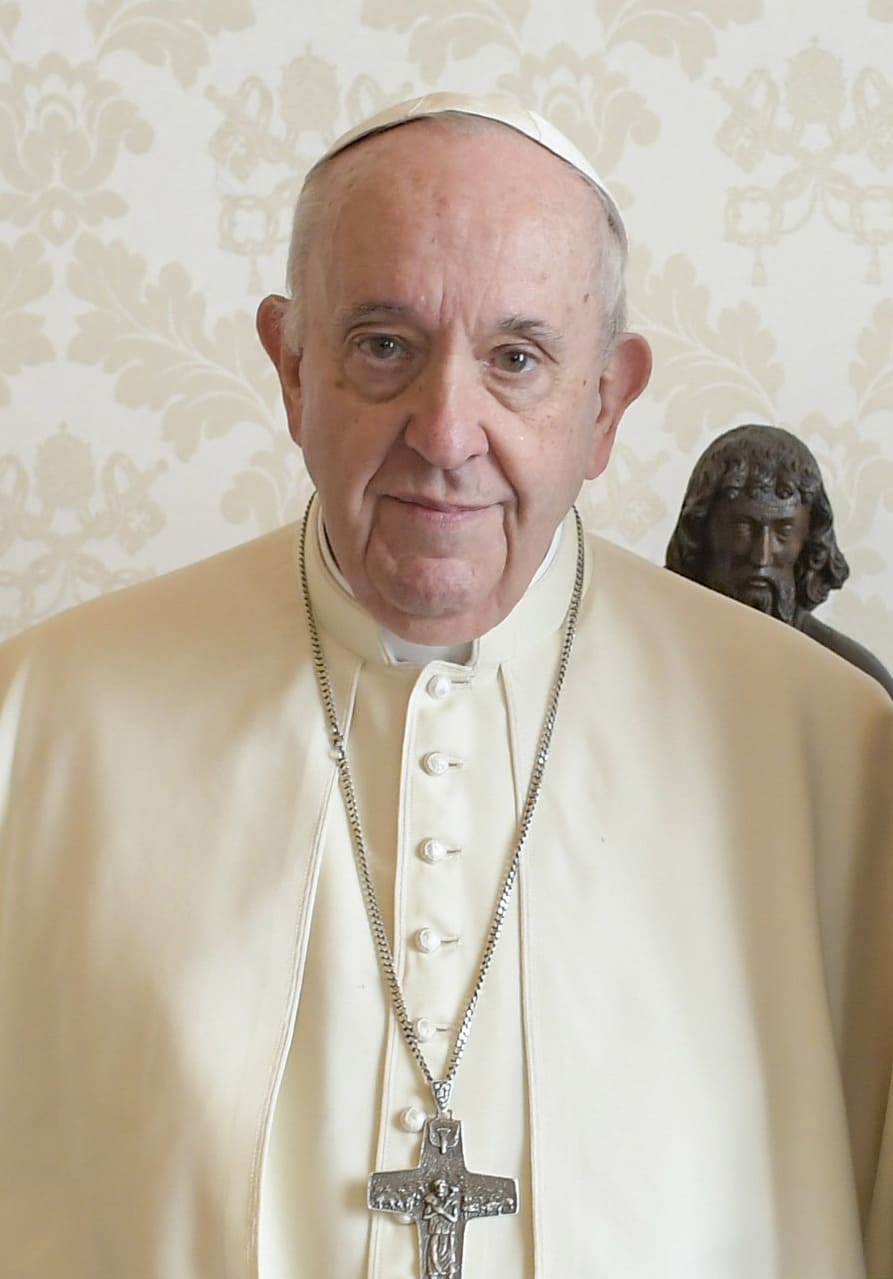
The 2025 Vatican document "Antiqua et Nova," which Pope Francis helped shape, emphasizes that AI should complement, not replace, human intelligence and warns against the misleading use of the term "intelligence" for machines. Pope Francis called for ethical guidelines to prevent human dignity from being subordinated to efficiency or technological power. He focused particularly on AI in weapons systems, where he called for a ban on lethal autonomous weapons and declared: "No machine should ever choose to take the life of a human being." He saw this as a serious ethical risk and an existential threat. He also urged that new technologies such as AI bring people together rather than divide them, and that they should not be allowed to replace human relationships or personal dignity.
Pope Benedict XVI's Perspective
Even earlier, Pope Benedict XVI (formerly Joseph Ratzinger), Pope Francis's predecessor, addressed themes related to AI, although he did not speak directly about today's technologies. In 1973, he warned: "When there are only functions, then man himself is nothing more than a function." His philosophical and theological reflections anticipated today's concerns about the dehumanizing potential of advanced technologies, including AI. Benedict XVI criticized the reduction of human beings to mere components of technocratic systems and emphasized the risks of a purely technocratic paradigm.
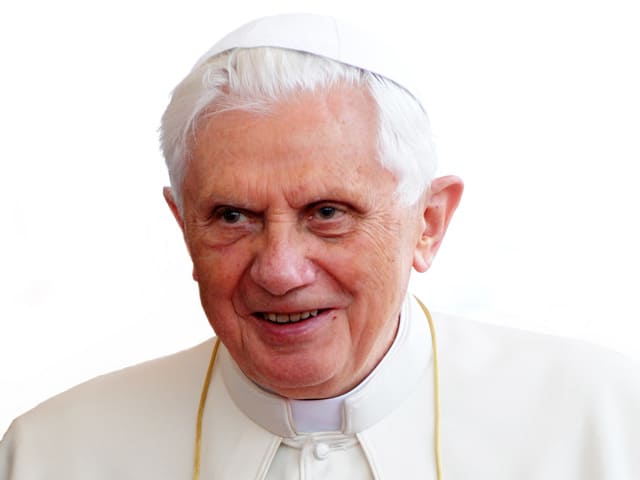
Although he did not speak directly about modern AI during his pontificate, his ideas serve as a foundation for current Vatican documents. For example, "Antiqua et Nova" refers to the need for human control over AI so that it serves the common good and prevents machines from making decisions about fundamental aspects of human life. Benedict's reflections on technology and human dignity are considered prophetic and shape the Church's position on AI ethics.
Why This Topic Matters Today
Pope Leo XIV's words continue the tradition of his predecessors and show how the Vatican is responding to rapid technological progress. At a time when AI influences everything from social media to warfare, they emphasize the need for an ethical approach that places humanity at the center. Pope Leo XIV, with his mathematical education and experience in both Peru and the US, brings a fresh perspective that resonates with young people. His call to influencers—to be agents of connection—is a reminder that technology should serve love and community, not division. This approach, inspired by Francis's warnings about autonomous weapons and Benedict's reflections on dehumanization, offers hope for a balanced future in which AI strengthens, rather than threatens, our humanity.


