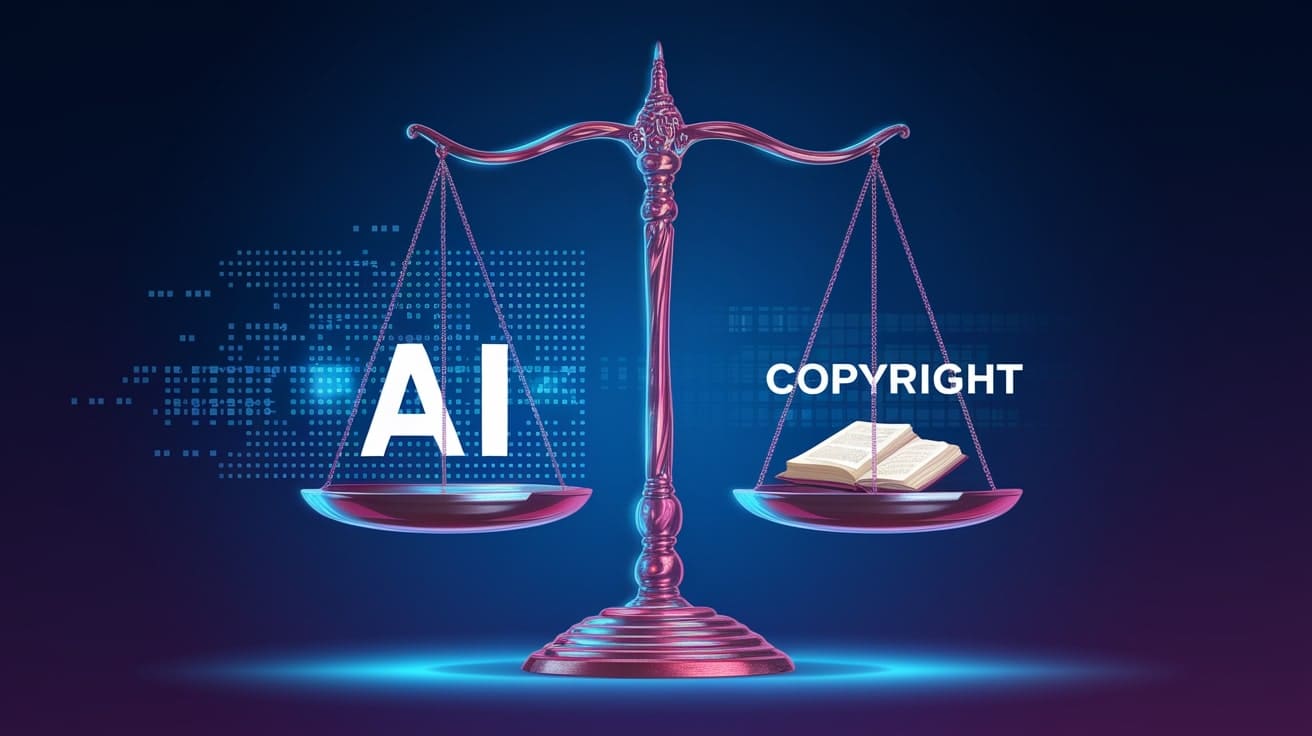
The End of Copyright? OpenAI Wants Free Access to Protected Works
Imagine being able to freely use images, texts, and other copyrighted works, all without facing any legal consequences. This is precisely the change that OpenAI is now seeking in connection with the US Artificial Intelligence Action Plan. But what exactly would this mean? And how would it benefit the world of artificial intelligence and creative professionals? According to Donald Trump, artificial intelligence is the “oil” of the future. For this reason, last month he called on AI leaders to propose a future strategy for the upcoming National AI Action Plan.
OpenAI Calls for a Change to the Rules of the Game
One of the most notable proposals came from Sam Altman, CEO of OpenAI, who called for fundamental changes to US copyright law in his technology strategy report. Relaxing these laws would allow companies developing artificial intelligence to use protected works without permission or compensation for their rights holders. He shared this and other proposals with the White House Office of Science and Technology in March.
Staying Ahead of the Competition and Improving AI Capabilities
Sam Altman believes that unless the US changes and relaxes its laws, China, which recently amazed the world with its DeepSeek AI, will take the lead in artificial intelligence technology. The main argument for relaxing copyright protections is that only then will companies gain access to the data necessary to train the most sophisticated and advanced models. They therefore want unlimited access to be classified as “fair use,” allowing them to avoid negotiations with creators and potential disputes. This should have several positive effects on AI:
- Faster improvement of AI capabilities: Unlimited access to data would accelerate the development of new AI models and lead to their improvement.
- Better access to information: If AI gained more open access to a wide range of data, it would process information more effectively and offer better services to users.
According to OpenAI, the call for greater freedom to learn when training AI models is therefore intended not only to strengthen the US leadership position in AI, but also to serve the public. According to Sam Altman, allowing models to learn from copyrighted materials is simply the only way to maintain the lead and avoid losing it to technologically advanced China.
The End of Lawsuits
OpenAI has already been accused of unethical data mining several times in the past. It is therefore facing lawsuits from The New York Times, Chicago Tribune, and New York Daily News. They have repeatedly pointed out that ChatGPT not only works with data from the internet but also copies entire passages from their articles without the authors’ permission or knowledge. However, new rules governing the protection of works could eliminate such disputes in the future.
The Public Response Was Swift
Technology reports from AI companies are to be submitted to President Trump by July of this year. However, many celebrities and artists are already speaking out against the changes. In their open letter to the White House, they call for the current copyright framework to be preserved. The letter contains more than 400 signatures, including those of Paul McCartney, Cate Blanchett, and Ben Stiller. In their view, AI’s success should not come at the expense of the arts and entertainment industry. Otherwise, all writers, photographers, composers, filmmakers, designers, painters, journalists, and other artists are at risk. The more AI learns through unrestricted training, the harder it will be for real artists to earn a living.
Seeking New Boundaries in the Age of Artificial Intelligence
Some experts argue that greater freedom for AI is crucial for future development, while advocates for artists’ rights take the opposite view. The fact remains, however, that current copyright laws are not suited to the age of artificial intelligence, and new legal frameworks must be found. Thanks to the proposals put forward by AI leaders, it is certain that this debate will only intensify.