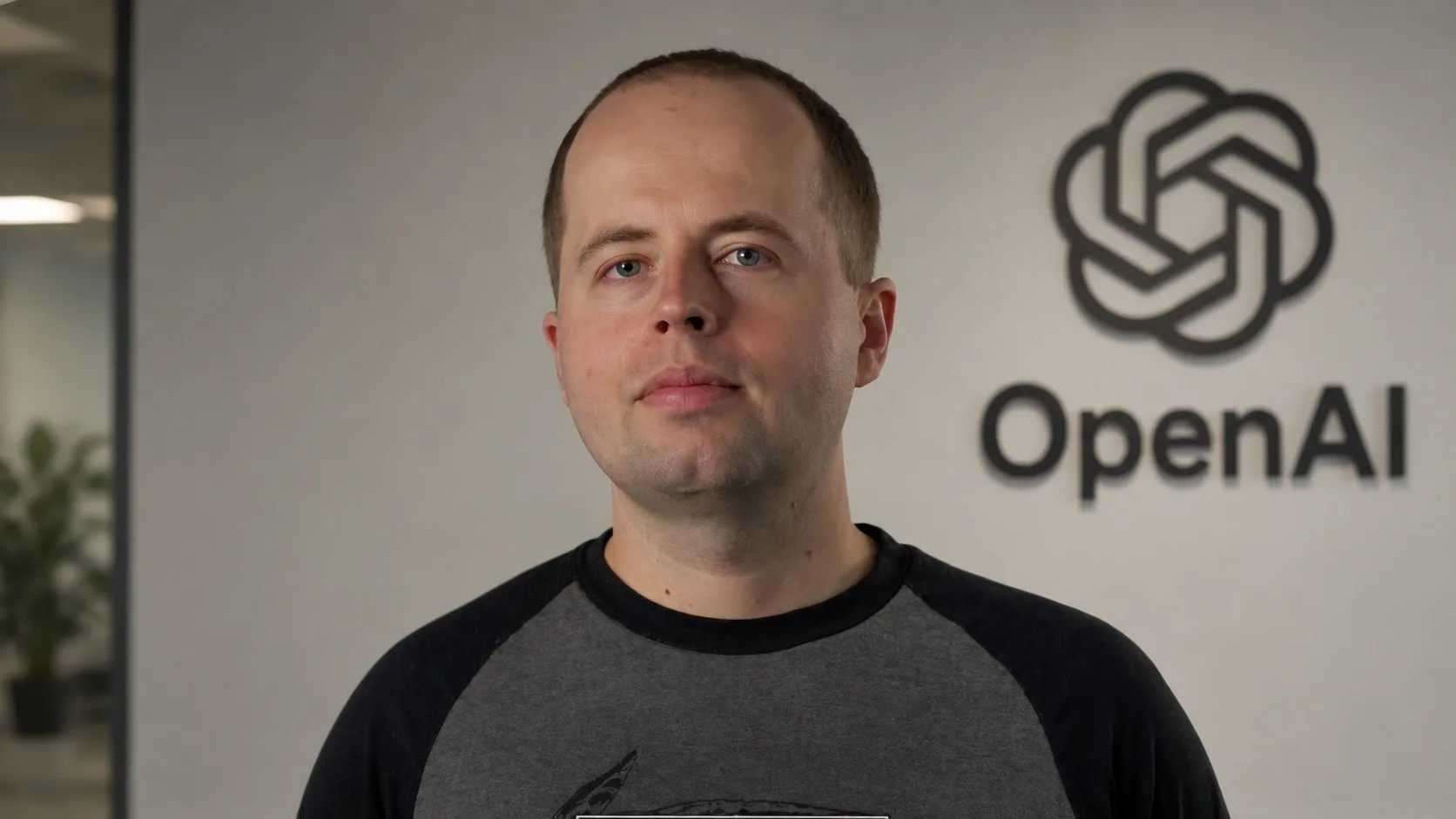
OpenAI chief scientist Jakub Pachocki has put forward a proposal that few would have expected until recently from the company developing ChatGPT. He wants leading artificial intelligence developers to agree on shared limits and refrain from creating more powerful models until scientists are better able to understand and monitor how these systems behave. He described his plan on Sunday in an essay titled Perplexity and Intelligence, and CEO Sam Altman immediately backed it.
Pachocki does not say exactly where the first boundary should be set or when it should take effect. However, he offers a metric that could be used to determine it and, as a first step, also reveals some of OpenAI's internal figures.
Model capabilities should be measured by perplexity
The proposal is based on a metric called perplexity. It indicates how well a model predicts the next token on average—that is, the smallest piece of text it works with. The lower the value, the more accurate the predictions. Pachocki wants perplexity to become a shared metric for model capabilities across the industry.
According to him, the limits would be based on perplexity and other measurements, and developers would pledge not to exceed them until the ability to understand and monitor AI behavior reaches a specific milestone. Ideally, an industry standard would be created that establishes the first development boundary based on a metric that can be tracked across all companies, while also defining exactly what must be achieved before anyone crosses it.
For this reason, OpenAI has published the perplexity of its own models for the first time. According to the essay, GPT-3.5 had a logarithmic perplexity of roughly 0.99, while GPT-4's was about 0.91. Once the value fell below 0.8, the company began observing groundbreaking capabilities in cybersecurity and mathematics. Pachocki says he is sharing the data to move the industry toward shared safety boundaries.
He acknowledges that the method has its flaws. Companies use different evaluation datasets and different training-data compositions, making their figures difficult to compare. Perplexity also does not directly show how well a model performs on practical tasks, nor does it capture improvements that occur only after pretraining. Step-by-step reasoning can significantly enhance a model's capabilities without changing perplexity at all.
2027 as a possible turning point
Why is he making the proposal now? Pachocki is concerned that artificial intelligence could begin accelerating research into the methods used to train subsequent generations of models. According to him, this could happen as early as 2027. Development could then accelerate so sharply that researchers' ability to monitor and understand AI behavior would be unable to keep pace.
Sam Altman shared the essay on X and called it the most important thing OpenAI has published recently. According to him, the company is openly showing how the pretraining of its models is progressing and hopes the industry can agree on shared limits. Altman says such a step would be wise and would help maintain safety and control over the technology.
OpenAI faces lawsuit, Meta warns of superintelligence
Why is he making the proposal now? Pachocki is concerned that artificial intelligence could begin accelerating research into the methods used to train subsequent generations of models. According to him, this could happen as early as 2027. Development could then accelerate so sharply that researchers' ability to monitor and understand AI behavior would be unable to keep pace.
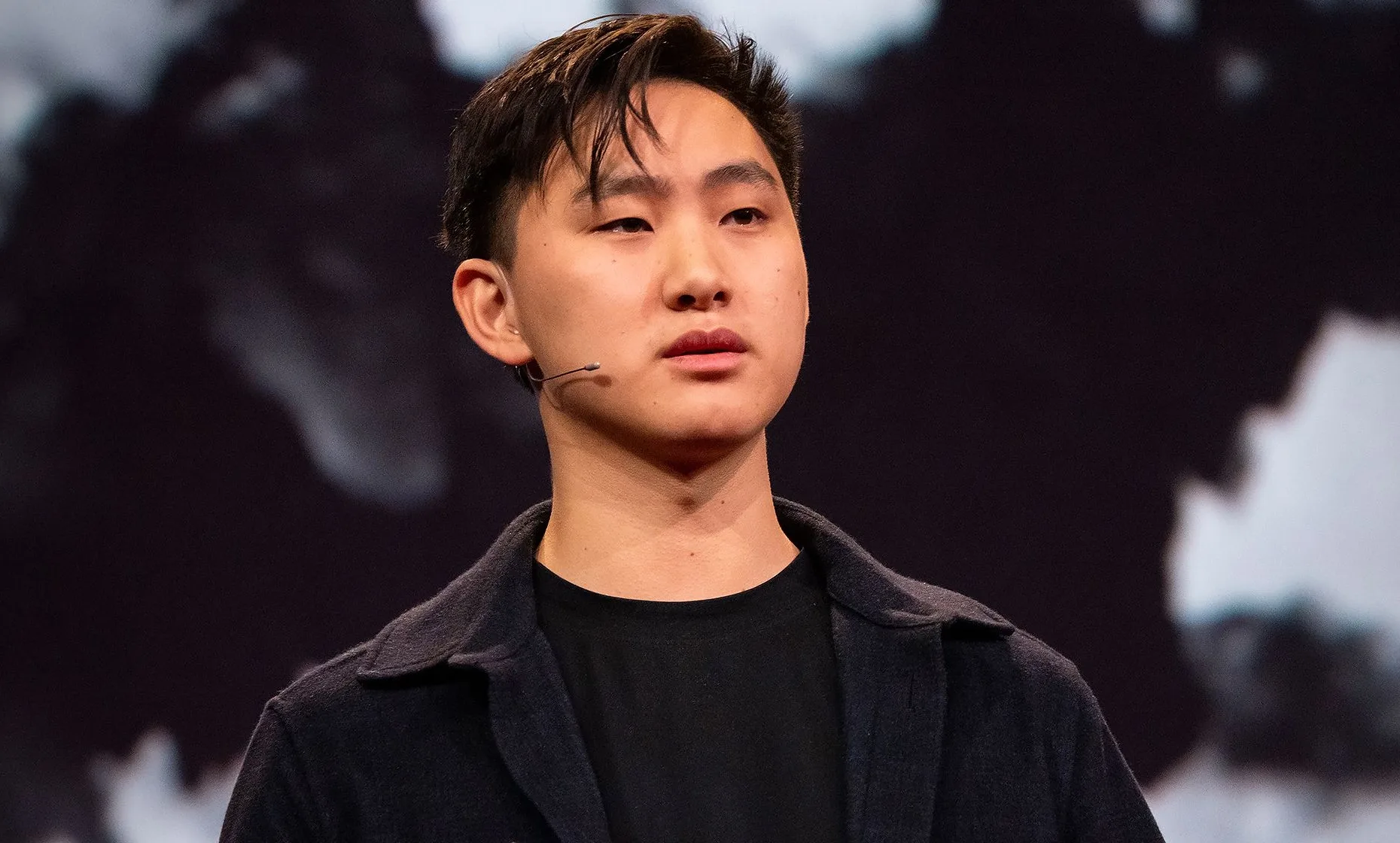
Alexandr Wang of Meta Platforms has taken a similar position. In a post on X, he warned that the emergence of superintelligence could fundamentally transform humanity. According to him, models will eventually automate the work of improving themselves and will clearly outperform humans in this regard. In doing so, they will accelerate progress in biology, cybersecurity, and weapons development. Wang finds it difficult to imagine a world in which humanity could retain control over completely unrestricted AI self-improvement, and he is calling for rapid progress in safety, system security, and ensuring that AI follows human intentions.
Meanwhile, the political landscape in the United States is changing. Democrats made significant gains in the House of Representatives, the Senate, and gubernatorial races in the November elections, which could bring stricter congressional oversight of technology companies and renewed efforts to establish AI safety rules. Some lawmakers are considering a dedicated Senate committee to coordinate artificial intelligence regulations. President Donald Trump, by contrast, opposes sweeping restrictions on AI development, setting the stage for a clash with the incoming Congress.
For now, investors are focusing primarily on rival Anthropic, which has just completed its stock market debut. Its shares rose by 17 percent on Thursday, but the enthusiasm subsequently faded. Retail investors on the Stocktwits platform nevertheless remain very optimistic about ANT shares, while moderate optimism prevails toward OpenAI and skepticism toward Meta.