Nvidia long ruled the world of artificial intelligence as the undisputed king. Its graphics processors became the gold standard for training AI models, and the company holds approximately 92% of the data center GPU market. But the market is shifting. And Nvidia knows it very well. The era of so-called inference computing is arriving—the phase when AI models stop merely training and begin actually working. They answer queries, write code, and communicate with other systems. And this is precisely where competitors with more energy-efficient solutions have started closing in on Nvidia.
What is inference?
Let's put it simply. Training an AI model is like studying for an exam. Inference is the exam itself, when the model must respond quickly and correctly. And while Nvidia dominates the "study phase," its processors are starting to become expensive and energy-intensive in the "exam" phase.
Amazon claims that its Inferentia 2 chips are 30 to 40% more efficient than Nvidia GPUs. Alphabet, meanwhile, praises its Ironwood TPU processors for their higher performance per watt. And OpenAI? According to Reuters, it was directly dissatisfied with how quickly Nvidia hardware could respond to ChatGPT users. This was a clear signal that something had to change.
New chip headed for the GTC conference
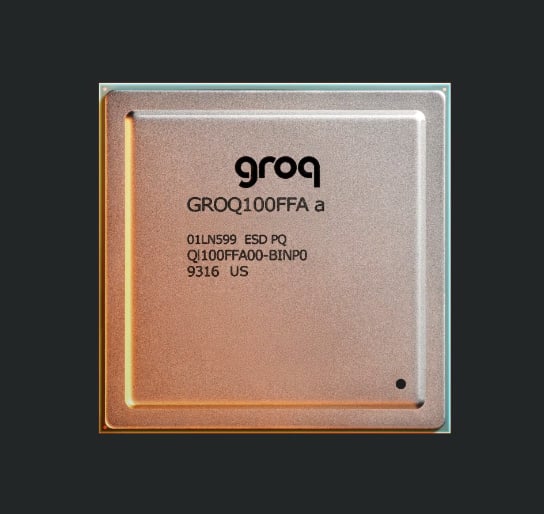
And it did. According to the Wall Street Journal, Nvidia is preparing an entirely new processor focused specifically on inference computing. It will be unveiled at the GTC developer conference in San Jose, which begins on March 16, 2026. The new system is expected to include a chip developed by the startup Groq, with which Nvidia signed a licensing agreement worth $20 billion, while also putting an end to OpenAI's negotiations with Groq over a separate partnership.
OpenAI will be one of the first customers to deploy the new chip. The company has committed to purchasing 3 GW of capacity from Nvidia, giving the new product an enormous launch boost. In September 2025, Nvidia invested billions of dollars in OpenAI in exchange for a stake in the company. The relationship between these two giants is therefore deeply intertwined.
$4 billion into light: A bet on photonics
Alongside the development of the new chip, Nvidia announced another major move. It will invest a total of $4 billion in two photonics product manufacturers: $2 billion in Lumentum and $2 billion in Coherent. Lumentum shares jumped 5% after the announcement, while Coherent rose as much as 9%.
What is photonic technology? Instead of electrical signals, it uses light to transmit data between chips. It is faster, more energy-efficient, and practically indispensable for the AI data centers of the future. In doing so, Nvidia is responding to a trend that its competitors have also recognized. Marvell Technology acquired the startup Celestial AI for $3.25 billion specifically because of its work with photonics.
The investments include not only financial contributions but also commitments to purchase products and access to advanced laser and optical networking technologies. Both companies plan to expand their manufacturing capacity in the US. Lumentum has even announced the construction of a new manufacturing facility.
Nvidia under pressure
Consider this: last week, Meta signed a deal with AMD worth $60 billion. Major players such as Amazon, Google, and Meta are increasingly building their own custom chips. Nvidia is therefore facing pressure from all sides at once. It is responding with a one-two punch: a specialized inference chip intended to convince customers that they do not need to look for alternatives, and multibillion-dollar investments in photonics that will take data center speed and efficiency to a new level.
Nvidia is betting that it is not enough to be good at what you do today. You have to be ready for what comes tomorrow. And so far, it appears that this company knows how to play the long game.