

It was Friday afternoon, February 28, and the clock was ticking. The Pentagon gave Anthropic an ultimatum: sign the contract by 5:01 p.m. or face the consequences. Anthropic did not sign. And what followed shocked the entire technology industry.
Defense Secretary Pete Hegseth posted a brief but explosive statement on the social network X: “No supplier, contractor, or partner doing business with the U.S. military may engage in any commercial activity with Anthropic.” Effective immediately. Anthropic was designated a “national security supply chain risk.”
$200 million and an impossible condition
To understand why this happened, we need to go back several months. In July 2025, Anthropic secured a $200 million contract from the Pentagon to develop artificial intelligence capabilities for national security purposes. It was a major success. Anthropic even became the first company to have its model deployed on the Pentagon’s classified networks.
But then a dispute arose over the terms. Anthropic insisted that the contract explicitly prohibit two things: mass surveillance of American citizens and fully autonomous weapons systems without human oversight. The Pentagon refused. Military officials argued that they wanted to be able to use the Claude AI model “for all lawful purposes” without specific exceptions. Their position was clear: mass surveillance is already illegal, and autonomous weapons are restricted by internal regulations, so written guarantees were unnecessary.
Anthropic considered that insufficient. A company spokesperson said that the Pentagon’s new wording was “supplemented with legal language that would allow these safeguards to be ignored at any time.”
“We sanctioned an American company.” Shock in Silicon Valley
Hegseth’s statement hit the technology world like a cold shower. Dean Ball, a former White House AI adviser, called it “the most shocking, destructive, and overreaching thing the U.S. government has ever done.” He compared it to directly sanctioning an American company and publicly questioned whether it even made sense to do business in such a country.
Paul Graham, founder of the Y Combinator accelerator, wrote on social media that “the people running this administration are impulsive and vindictive.” OpenAI researcher Boaz Barak warned that “undermining one of our leading AI companies is about the worst own goal we could score.” And this raises the question hanging in the air: Can the government really force a private technology company to abandon its own ethical principles under threat of economic destruction?
Anthropic fights back: “You have no legal authority to do this”
Anthropic did not remain silent. On Friday evening, it issued a statement in which it threatened legal action and called the entire move “legally baseless.” The company argues that designation as a supply chain risk under 10 USC 3252 applies only to the Pentagon’s direct contracts with suppliers, not to how suppliers use Claude software for other customers.
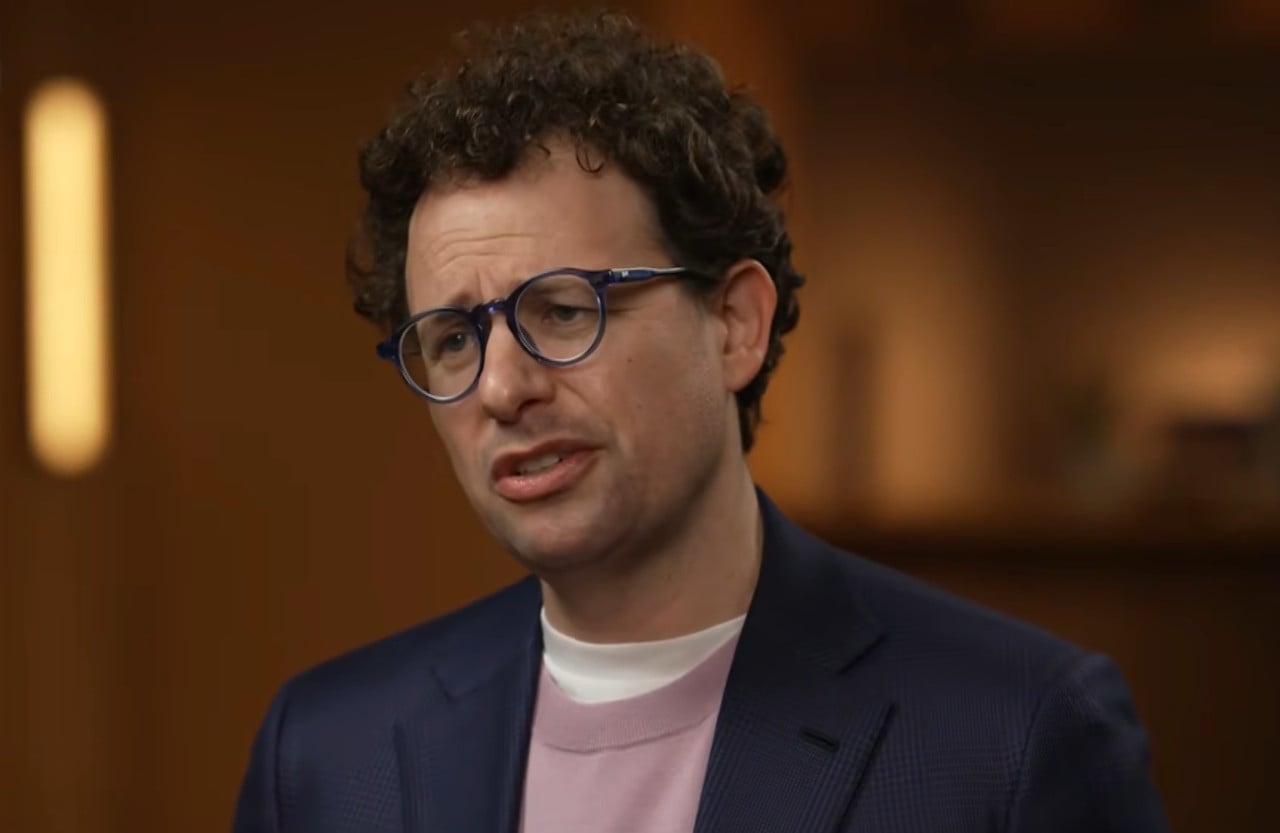
CEO Dario Amodei described the government’s actions as “retaliatory and punitive” in an exclusive interview with CBS News. He also emphasized that the people at Anthropic are “patriotic Americans” and that everything the company had done was intended to benefit U.S. national security. But it does not intend to back down from its red lines. “We will not budge on these boundaries,” Amodei said. “No amount of intimidation or punishment from the Department of War will change our position.”
Legal experts agree that a court case is very likely. But litigation takes months, sometimes years. And in the meantime, Anthropic could face the real threat of companies working with the military abandoning it out of fear of the consequences.
OpenAI seized the opportunity. What now awaits the entire market?
While Anthropic was fighting, its biggest rival moved quickly. On Friday evening, Sam Altman announced that OpenAI had reached an agreement with the Pentagon to deploy its models on classified networks. And interestingly, Altman said that the agreement included the same safeguards Anthropic had sought: a ban on mass surveillance and autonomous weapons. The Pentagon agreed.
This casts the entire dispute in a strange light. Why did the Pentagon accept from OpenAI what it had rejected from Anthropic? Experts from the CSIS think tank warn that, through this move, the Pentagon sent a clear message to the entire technology industry: “Anyone who dips their toes into the waters of defense contracting can be pulled completely underwater by the Pentagon at any time.”
The situation is legally unclear. Three federal contracting experts agree that it is currently impossible to determine which companies must end their cooperation with Anthropic. Hegseth’s statement so far exists only as a social media post, not as a formal legal document. Major players such as Amazon, Microsoft, Google, and Nvidia, which work with both the Pentagon and Anthropic, have so far remained silent and left the matter to their lawyers.
One technology executive who wished to remain anonymous summed it up aptly: his company is “in wait-and-see mode,” watching to determine whether there is any real legal force behind the social media post. So far, it appears there is not. But the fear is real. And in business, fear is enough.
Sources: wired.com and thehackernews.com


