

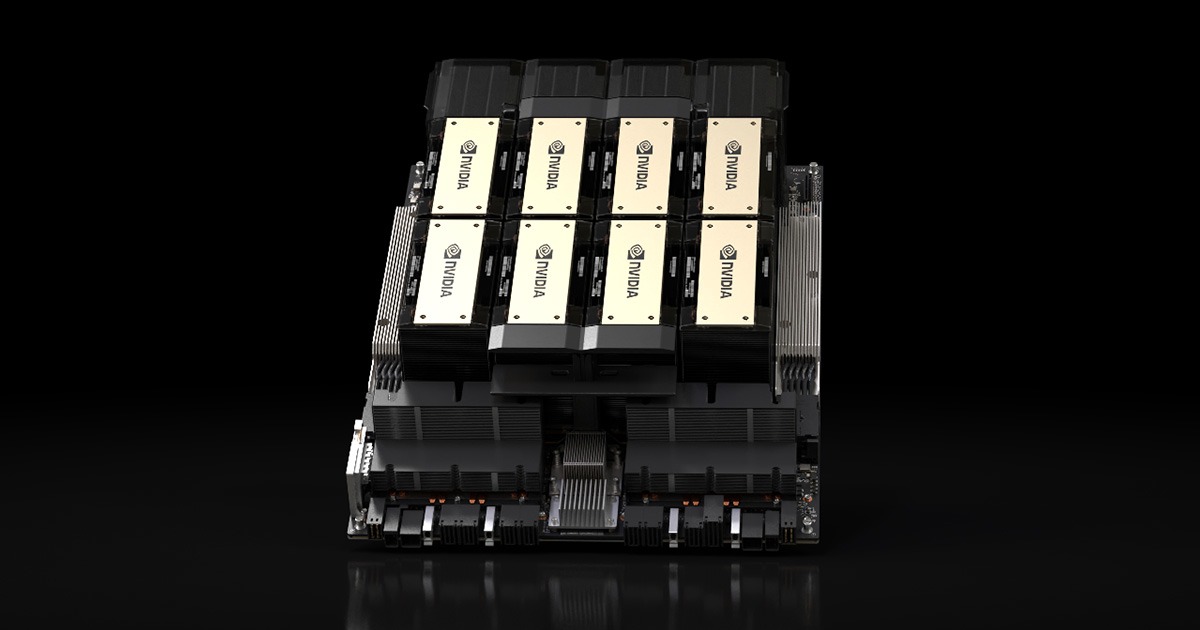
Nvidia Increases H20 Chip Production: Massive Order Driven by Chinese Demand
Imagine you are the head of a company that makes the most important components for artificial intelligence, and suddenly customers from China start calling to say they need more and more. That is exactly what is happening to Nvidia right now. According to reports from last week, Nvidia ordered another 300,000 H20 chips from its manufacturer, Taiwan Semiconductor Manufacturing Company (TSMC). This is all due to enormous demand from Chinese technology giants such as Tencent, ByteDance, and Alibaba. Nvidia originally planned to sell only what it had in stock, but it has now reversed course and decided to resume production. It is a story that shows how the world of AI (artificial intelligence) revolves around geopolitics and trade.
Background of the H20 Chip's Development
Nvidia developed the H20 chip specifically for the Chinese market in 2023 to comply with strict US export restrictions. These restrictions were introduced to prevent advanced technologies from ending up in hands that could threaten US national security. The H20 is not as powerful as Nvidia's H100 or the new Blackwell series, which are sold elsewhere in the world—it provides about 20% of the H100's computing performance, but that is enough for large AI workloads such as inference (processing data in AI models). In 2024, Nvidia sold around 1 million of these chips, according to estimates by research firm SemiAnalysis. This shows how important the chip is to Chinese companies, which use it for their own AI models as well as models from DeepSeek.
But in April 2025, a shock came: President Trump's administration banned sales of the H20 to China over national security concerns. At the time, Nvidia warned that it would have to write off $5.5 billion in inventory and lose $15 billion in potential sales. Nvidia CEO Jensen Huang commented on this in the Stratechery podcast, where he said the company must keep Chinese customers using its products so that they do not switch to rivals such as Huawei.
Policy Reversal and New Order
The situation changed this month when the Trump administration reversed its April decision and allowed H20 sales to China to resume. This was part of negotiations over rare earth elements, exports of which China had restricted because of the trade war. Nvidia now has an estimated 600,000 to 700,000 H20 units in stock, but they are selling out quickly due to rising demand. That is why the company ordered another 300,000 units from TSMC last week. According to sources, this represented a change of plan—Nvidia had originally told Chinese customers that it had only limited inventory due to supply chain issues and did not plan to restart production.
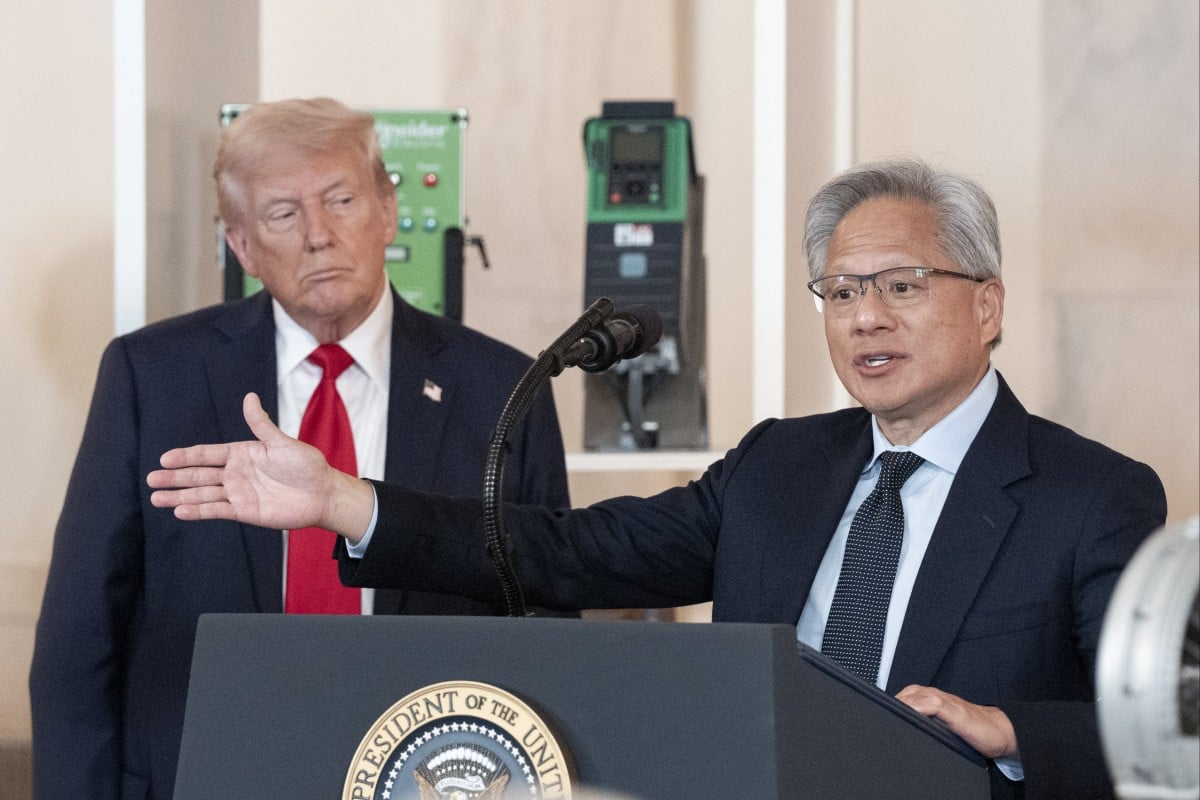
During his visit to Beijing in July 2025, Jensen Huang said that the decision to restart production would depend on the size of the orders. And now they have arrived: Orders from companies such as Tencent, ByteDance, and Alibaba are growing as these businesses deploy H20 chips for their AI models. Huang added that restarting the supply chain could take up to nine months. In addition, Nvidia is now asking Chinese customers for new documents, including forecasts of order volumes from their clients, to better estimate future demand.
Export License Issues
Even though sales are permitted, Nvidia needs export licenses from the US Department of Commerce to ship the chips to China. In mid-July, the company received assurances that the licenses would arrive soon, but according to sources, they have not yet been approved. This is creating tension—on one side there is enormous demand, while on the other there is political pressure. US lawmakers from both parties are criticizing the decision to resume sales because they fear it will weaken US leadership in AI. Nvidia argues that the H20 complies with current regulations and that it is important to keep Chinese developers using its software so they do not switch to domestic alternatives such as Huawei.
Meanwhile, a gray market is flourishing in China: Demand for repairs of banned Nvidia GPUs (graphics processing units) is growing, and many of them have been smuggled into the country. This only underscores how crucial the H20 is to China's AI ecosystem, where companies such as Tencent and Alibaba are increasing orders to deploy low-cost AI models.
Promising Prospects for the Future?
This order shows how quickly the situation is changing. Nvidia expects even more orders as China's AI infrastructure grows. If the licenses arrive soon, it could mean a boom for the company, but political risks remain. For Chinese companies, the H20 is key to continuing innovation, even with its limited performance. The whole story is like a thriller from the business world—full of twists and turns, where technology, politics, and big money intersect. If you are interested in AI, keep an eye on what comes next!


