

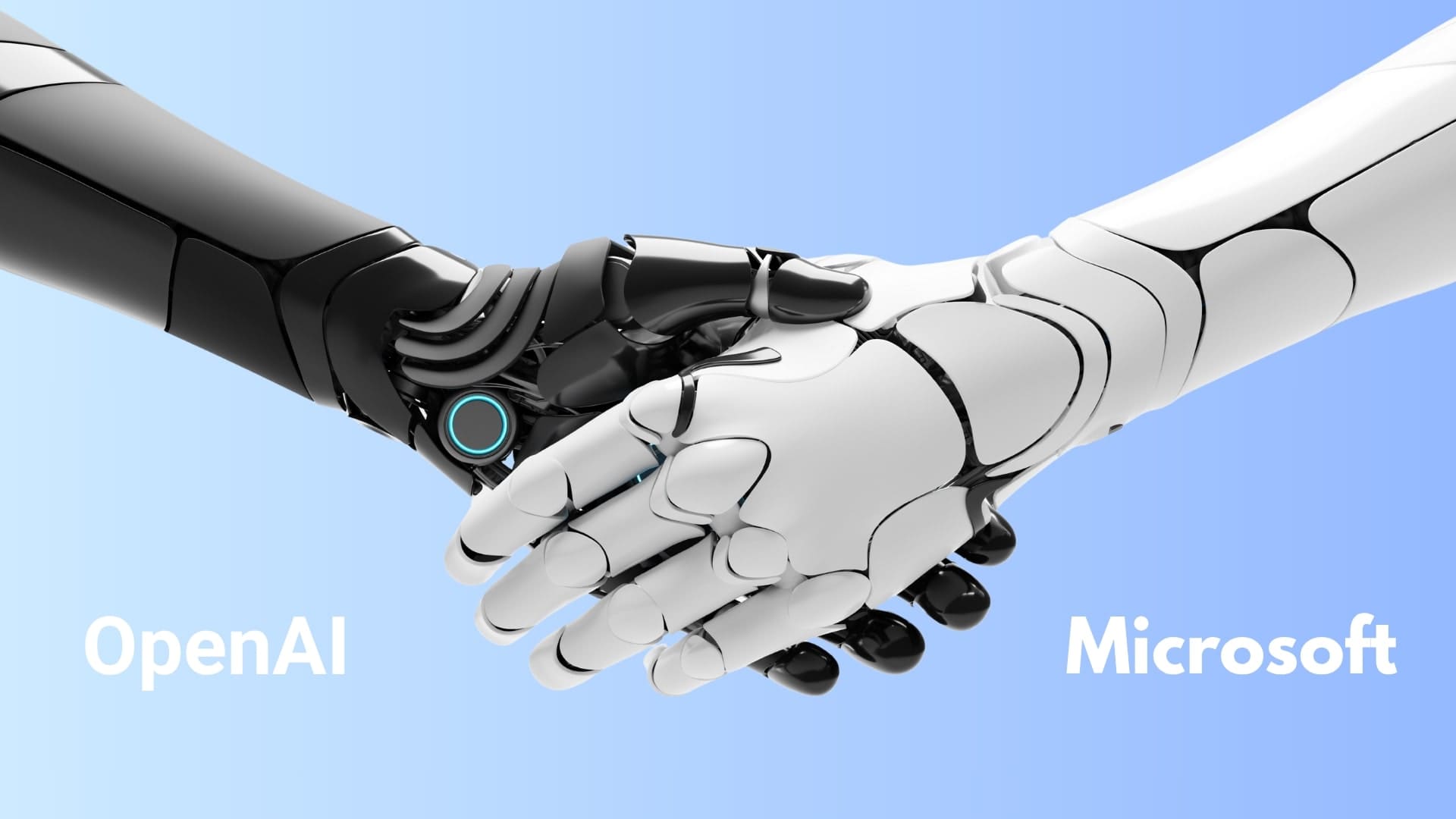
Companies OpenAI and Microsoft entered into a strategic partnership back in 2019. What began as an investment in a research organization gradually evolved into one of the most successful relationships in the technology industry. However, this collaboration is now moving into an entirely new phase. The signing of a new agreement introduces new terms for long-term growth and innovation and offers both companies greater independence. This also applies to the period after the development of artificial general intelligence (AGI).
OpenAI changes its structure
The changes introduced this October also include a new structure for OpenAI. The original organization will become a public benefit corporation (Public Benefit Corporation), enabling OpenAI to align its nonprofit mission with its commercial ambitions. This step will allow the company to remove restrictions on raising funds.
The company Microsoft supported this step, strengthening their relationship. Microsoft now also holds a $135 billion stake in the new company, corresponding to approximately 27% of the company. These figures confirm that Microsoft will continue to be a key OpenAI partner in the area of Azure cloud services and the development of new language models.
Continued collaboration, greater freedom
The signing of the new agreement confirms the continued collaboration with Microsoft while also granting both companies greater freedom. OpenAI remains Microsoft's main development partner and guarantees it exclusive access to its models and API services through Azure. However, the new terms allow OpenAI to develop certain products with other parties as well. This will make it possible to create projects that also run on other cloud platforms, giving OpenAI more freedom and enabling faster development.
The arrival of artificial general intelligence (AGI)
The agreement also looks far into the future and addresses the emergence of artificial general intelligence—that is, AI whose capabilities and behavior match human intellect. Reaching this level is also expected to bring changes.
If OpenAI declares that it has reached this new level of AI, the agreement stipulates that this claim must be verified by a panel of independent experts. Until then, Microsoft will continue to hold the rights to use OpenAI models and other technologies. These rights now remain valid until 2032, or until the panel confirms the development of artificial general intelligence.
Microsoft may also develop AGI with third parties, provided that it complies with clearly defined OpenAI limits.
Billions invested in Azure and expanded access to services
Another significant provision of the agreement is OpenAI's commitment to purchase $250 billion worth of Azure cloud services. On the other hand, Microsoft will lose its right of first refusal to provide computing capacity. This now allows OpenAI to choose other partners in the future.
Under the new agreement, OpenAI may also make its API available to U.S. government security agencies and release open models.
The future of AI
The newly concluded agreement between OpenAI and Microsoft sets a clear direction for the next phase of technological innovation and gives both partners greater freedom and room for growth. It establishes clear rules for innovation and also anticipates the moment when artificial general intelligence is achieved, which could significantly influence the shape of the technology world.


